survey_08 — installation artists in China
1. Song Dong — 宋冬 (b. 1966, Beijing)
Graduate: Capital Normal University, 1989
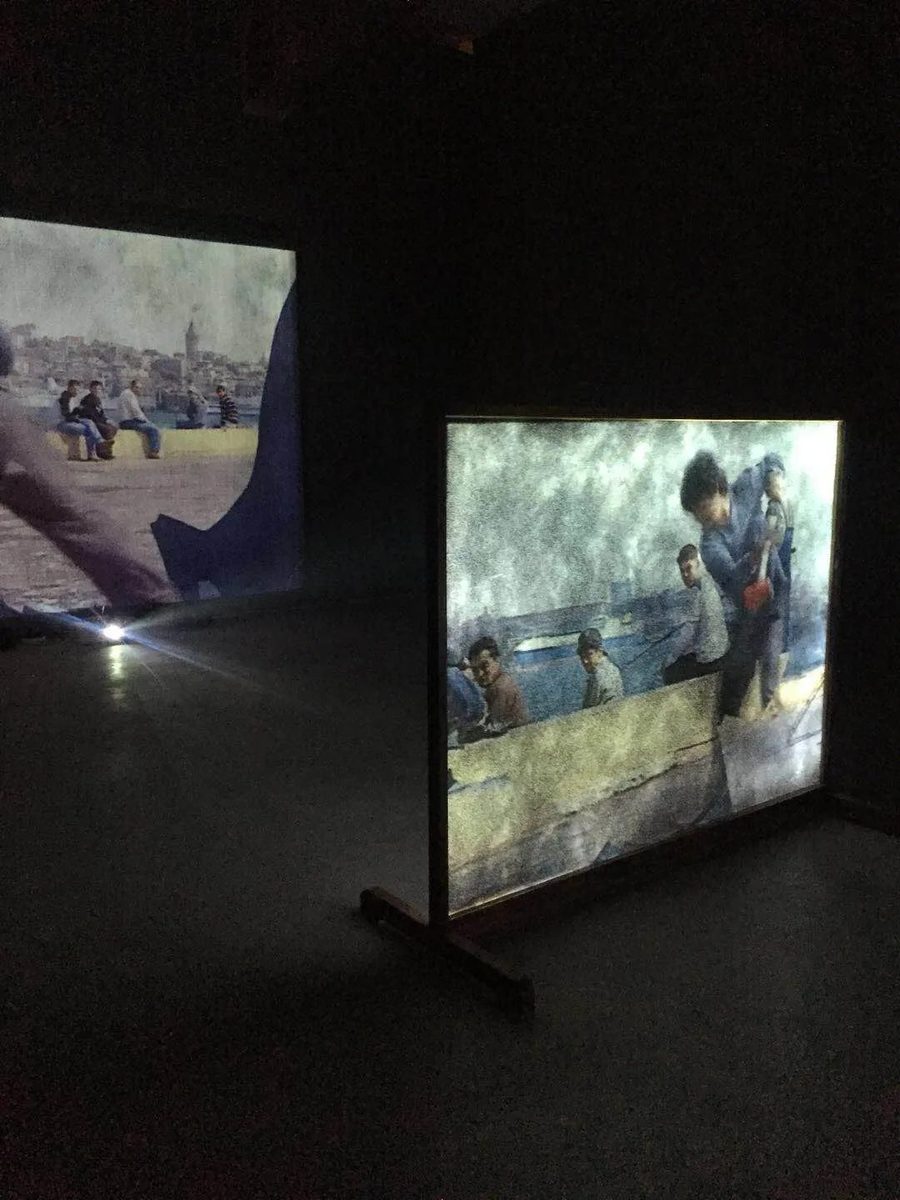
Installations made of household junk and video: home, memory and «lack» as material. The son of the artist Zhao Xiangyuan — their joint works became a chapter of their own.
- «Waste Not» (物尽其用, 2005)— 10,000 objects accumulated by his mother, turned into a museum of one family's daily life.
- “Food Painting” (吃河豚, 1990s) and “Water Seal” (印水, 1996) — actions that turned into installations.
- A regular participant in the Venice Biennale (2005, 2011); exhibitions at MoMA, Tate Modern, Pompidou.
- His rule: an object becomes art when people stop throwing it away.
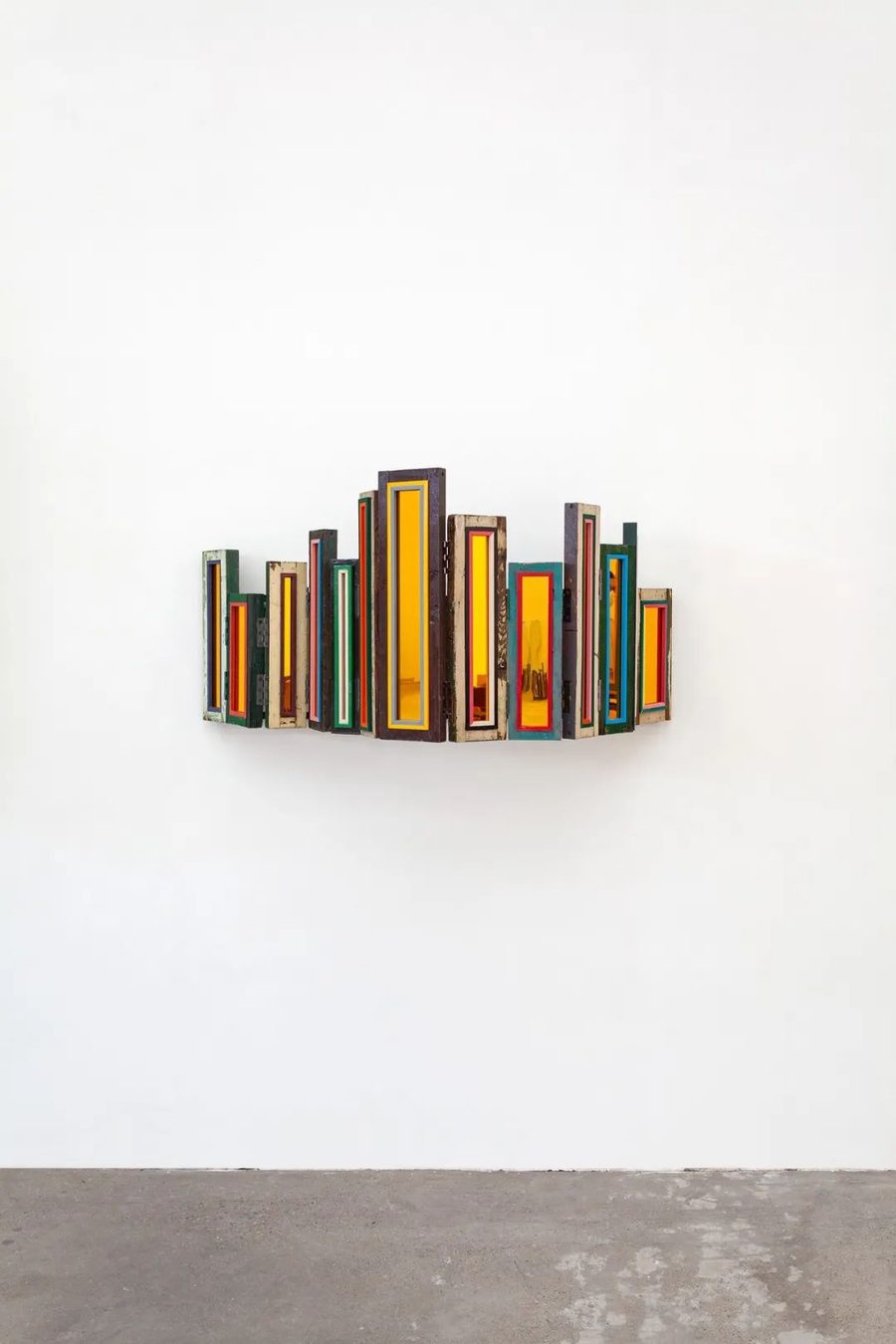
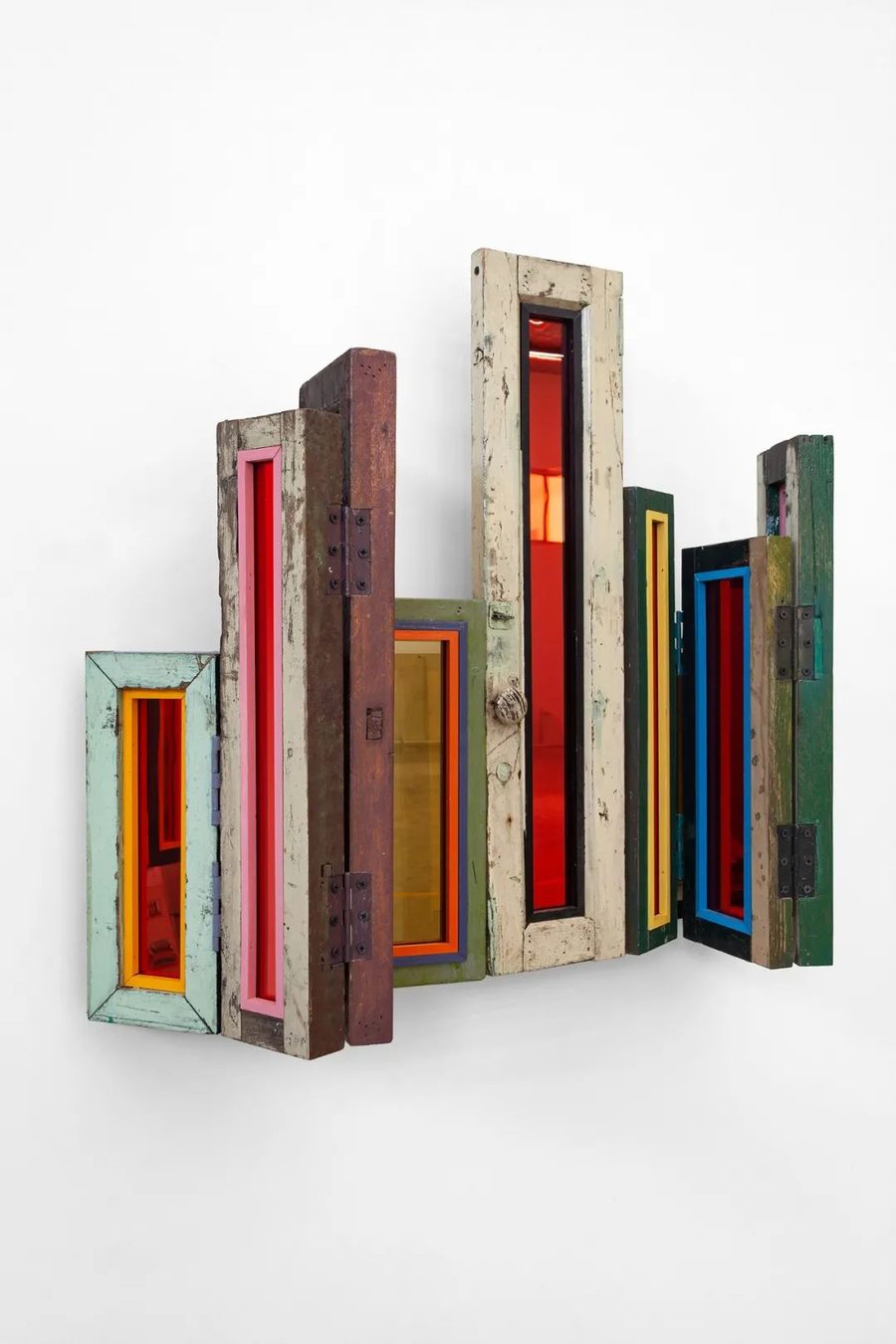
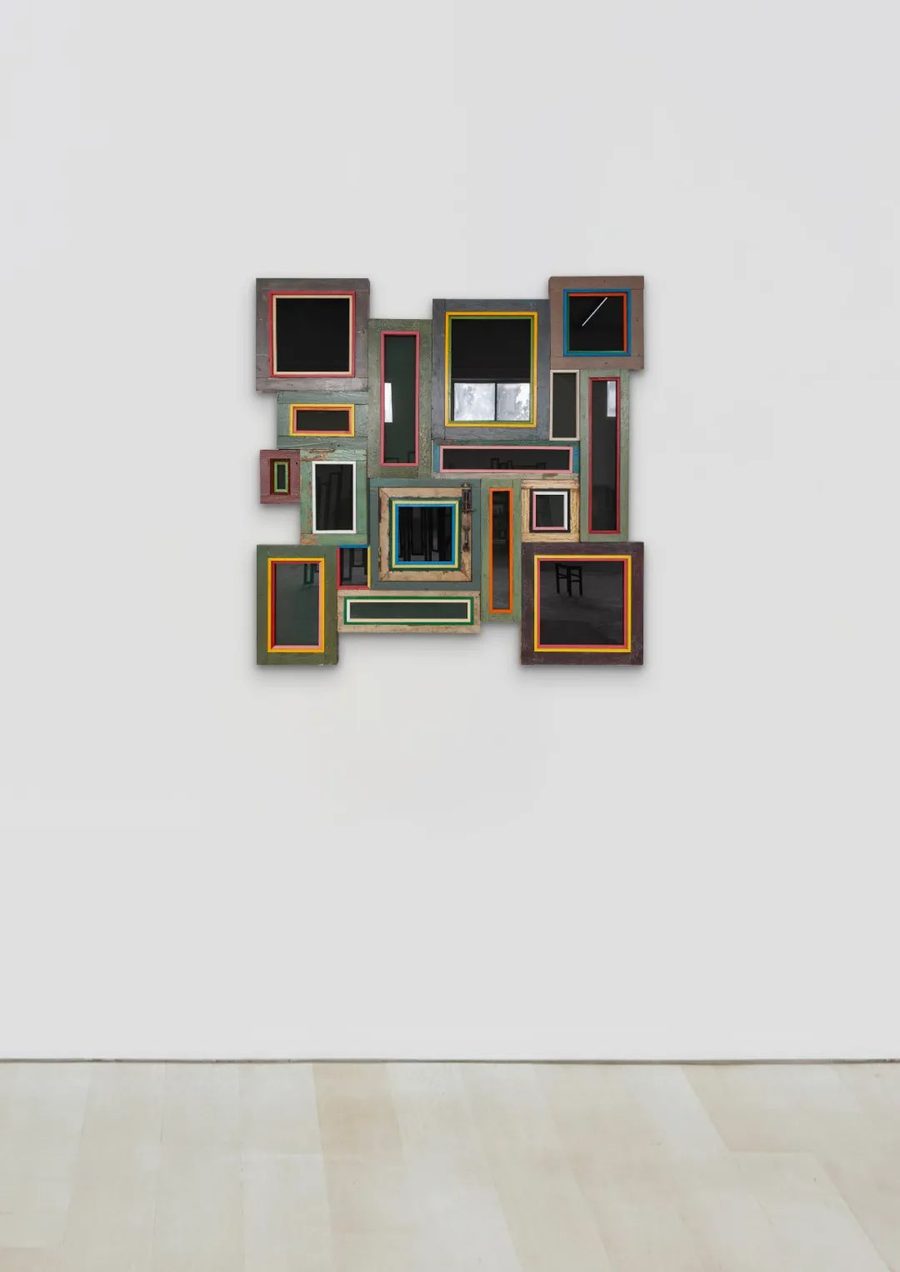
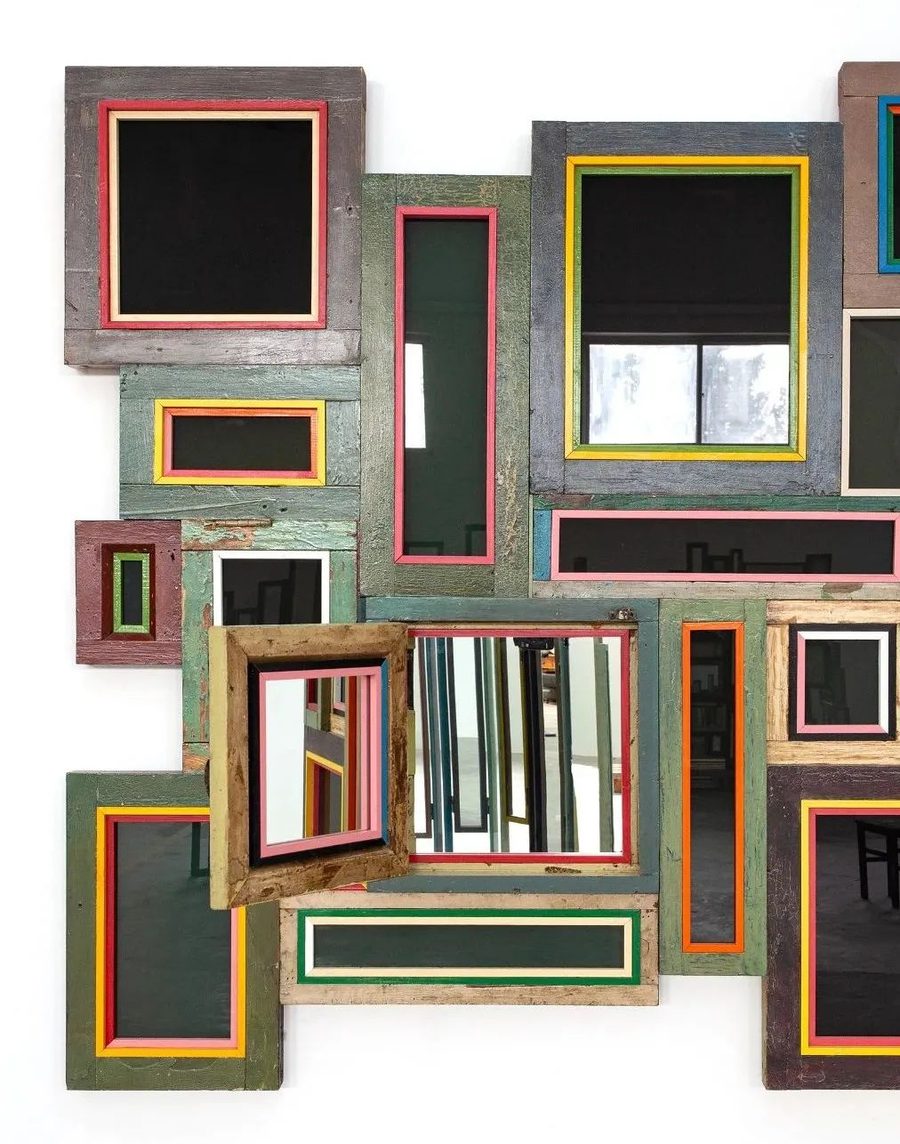
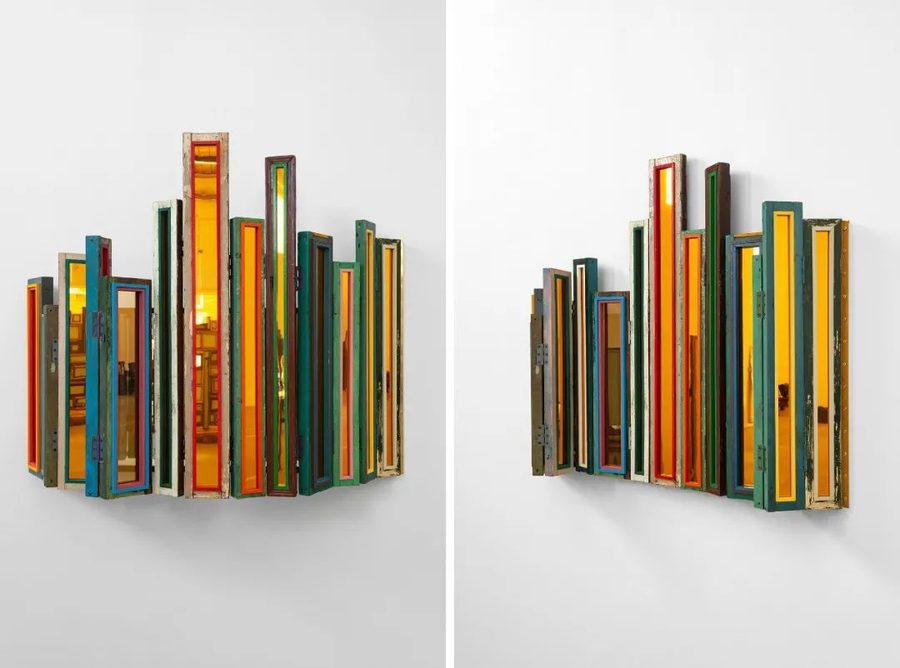
- Born in 1966 in Beijing; his material is what was already in the house — window and door frames, dishes, food — and in a single work he freely combines sculpture, installation, video and performance.
2. Lin Tianmiao — 林天苗 (b. 1961, Taiyuan (Shanxi))
Graduate: Capital Normal University, 1984
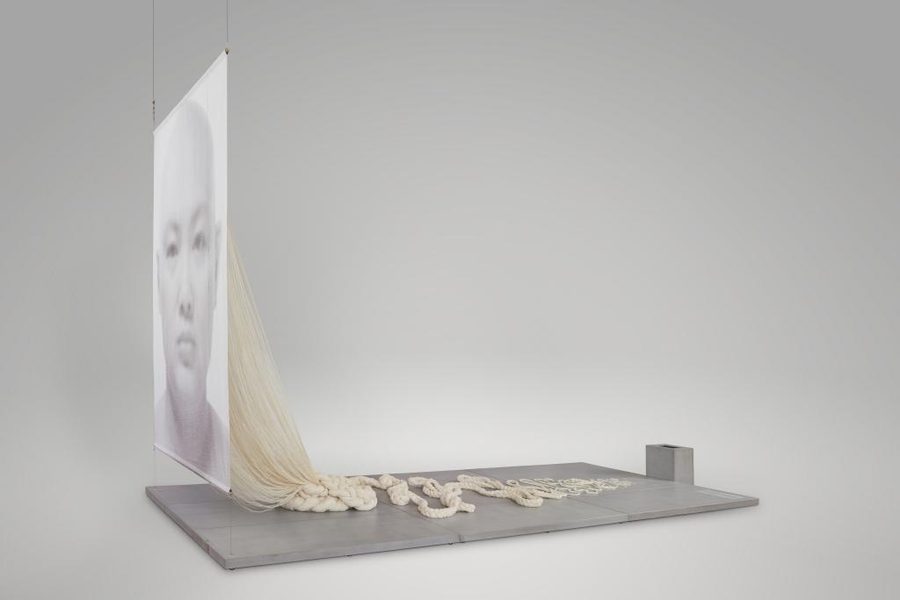
Installations made of thread, cotton and household objects: manual labour, the female body and the domestic violence of form.
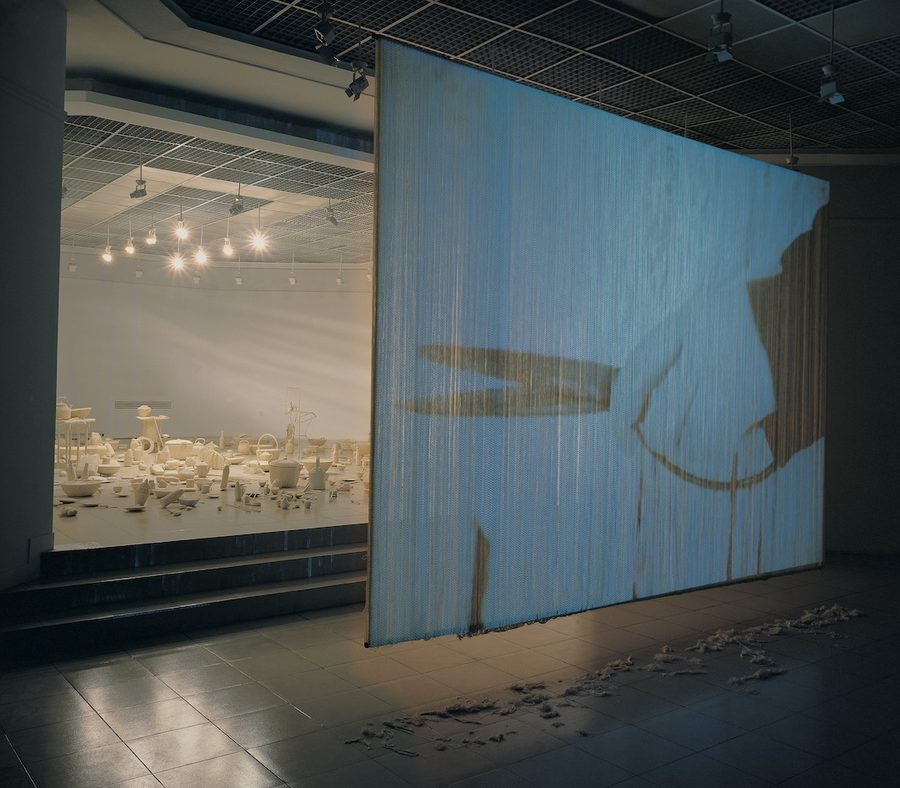
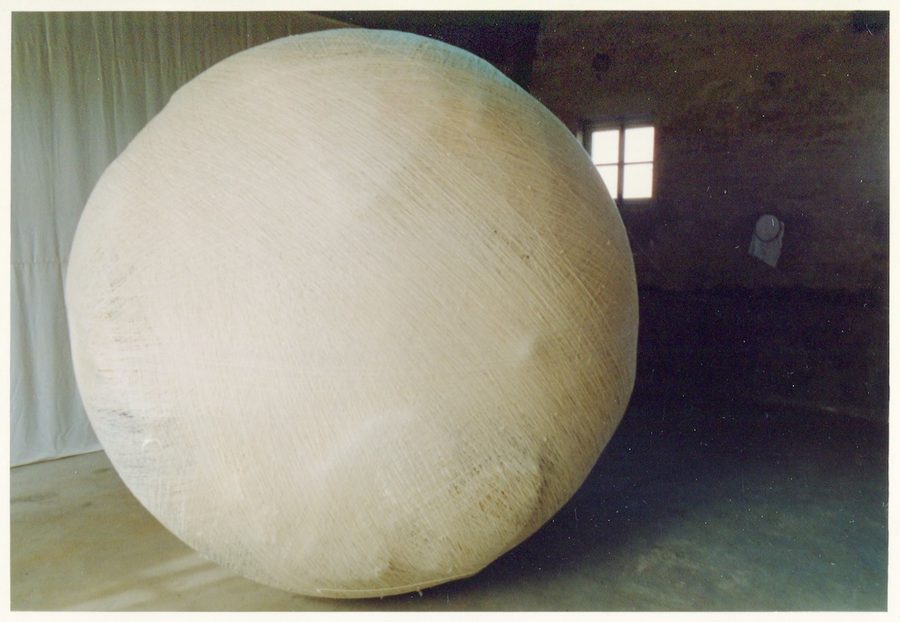
- “A Single Whole” (缠的扩张, 1995–1998) — objects wrapped entirely in white thread: cupboards, pots, bodies.
- Works in MoMA, Pompidou, M+ and White Rabbit; a Chevalier of the French Legion of Honour.
- Her technique is “wrapping”: thousands of metres of thread as a way of turning a kitchen object into a museum object.
- In the 1990s she returned from New York, where she had been schooled in the American feminist wave.
- Born in 1961 in Taiyuan; “Proliferation of Wrapping” (1995) is assembled from white cotton thread, rice paper and 20,000 needles, and her constant device is wrapping objects in thread and silk.
3. Wang Gongxin — 王功新 (b. 1960, Beijing)
Graduate: Capital Normal University, 1982
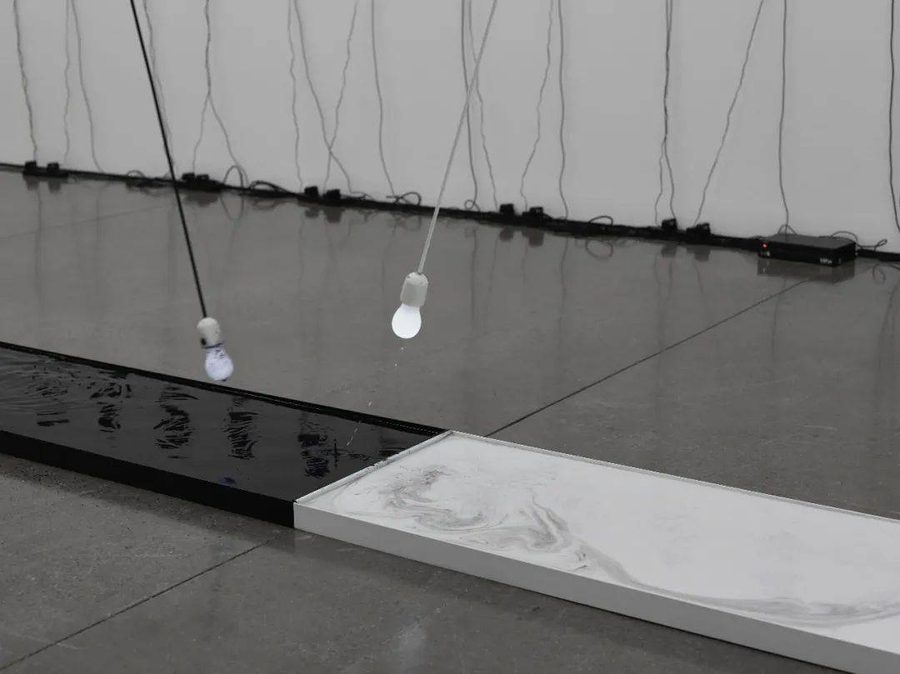
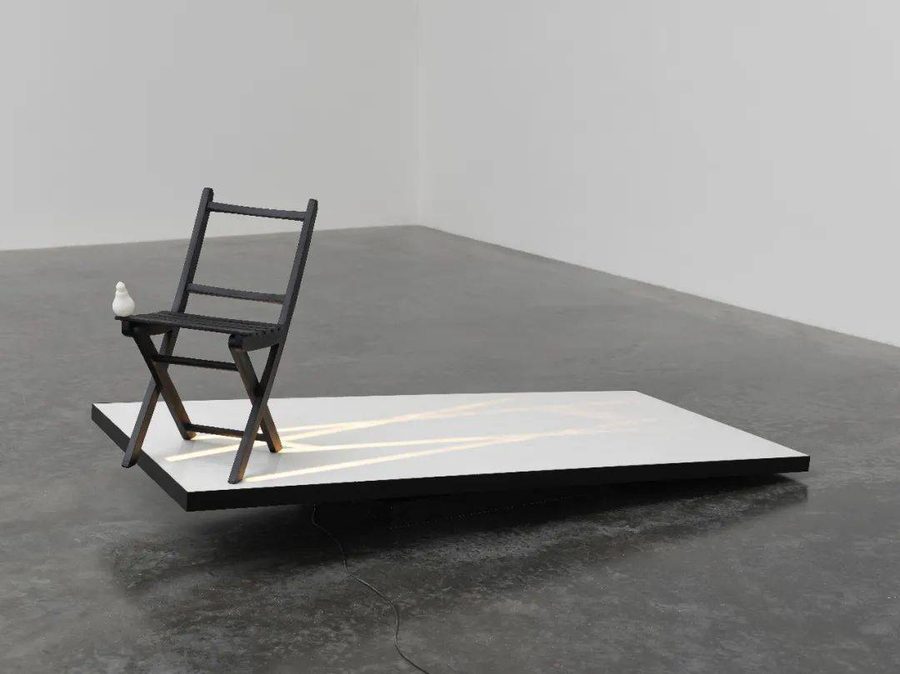
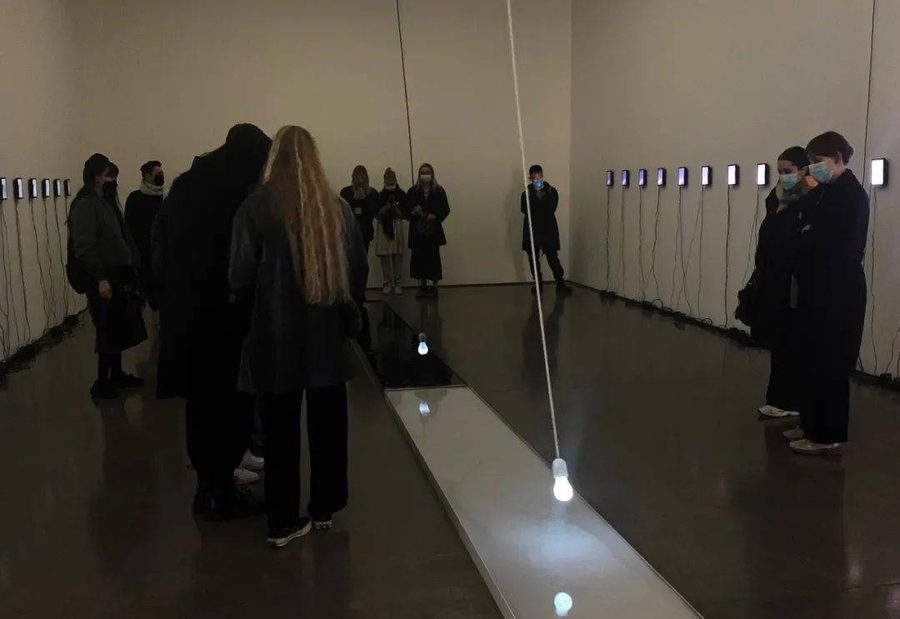
Site-specific video installations: the screen as window and mirror, time and the presence of the viewer.
- “Kihana's Sky” (与邻居共处, 1995) — the first video in China shown as an installation rather than as a record of an action.
- Works with projection onto objects and architecture; in the 1990s he lived in New York, then in Beijing.
- Professor at CAFA; his video art course shaped the next generation of Chinese media artists.
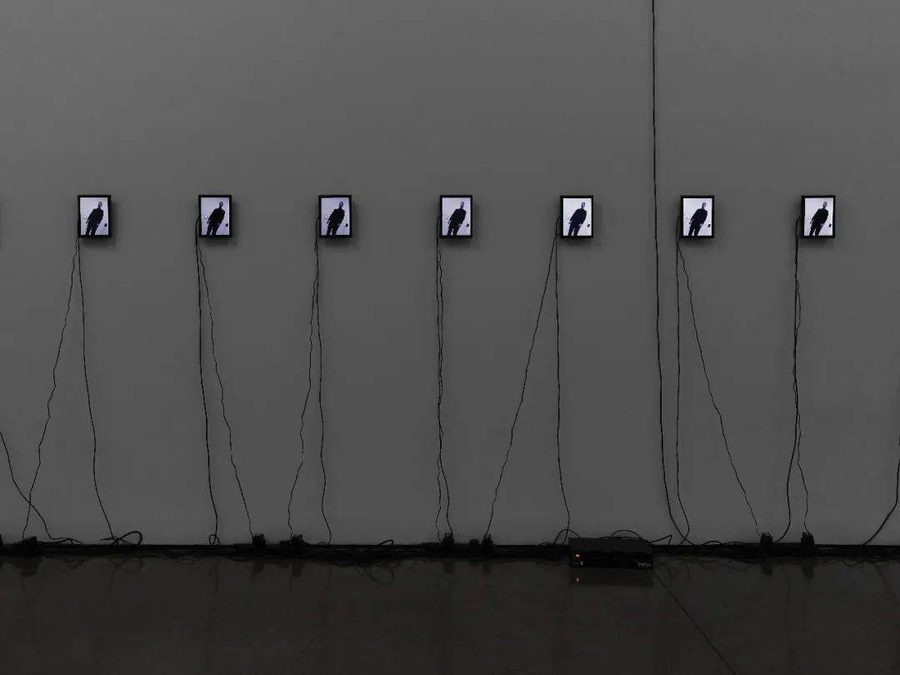
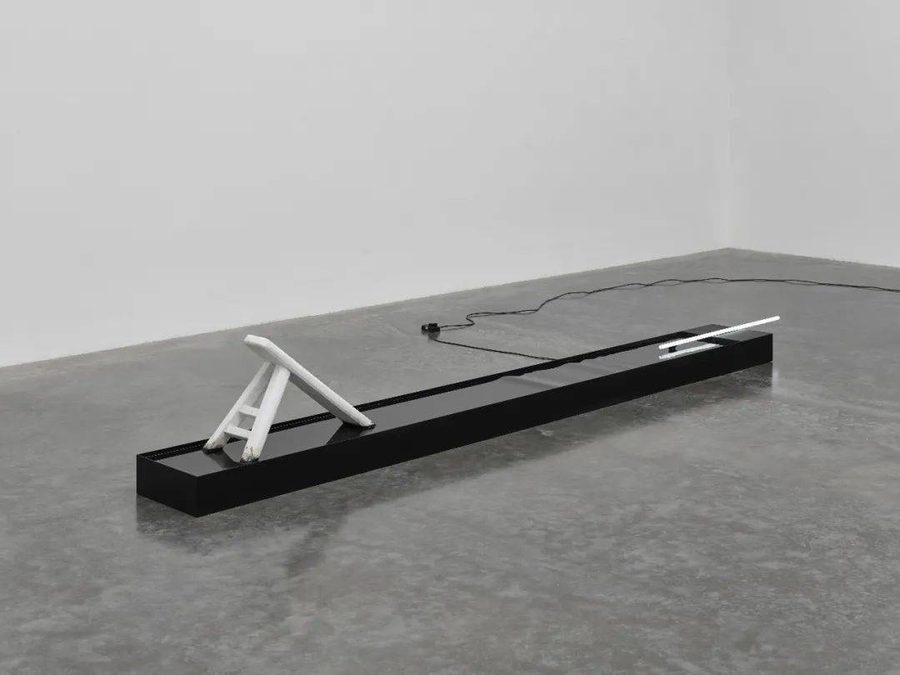
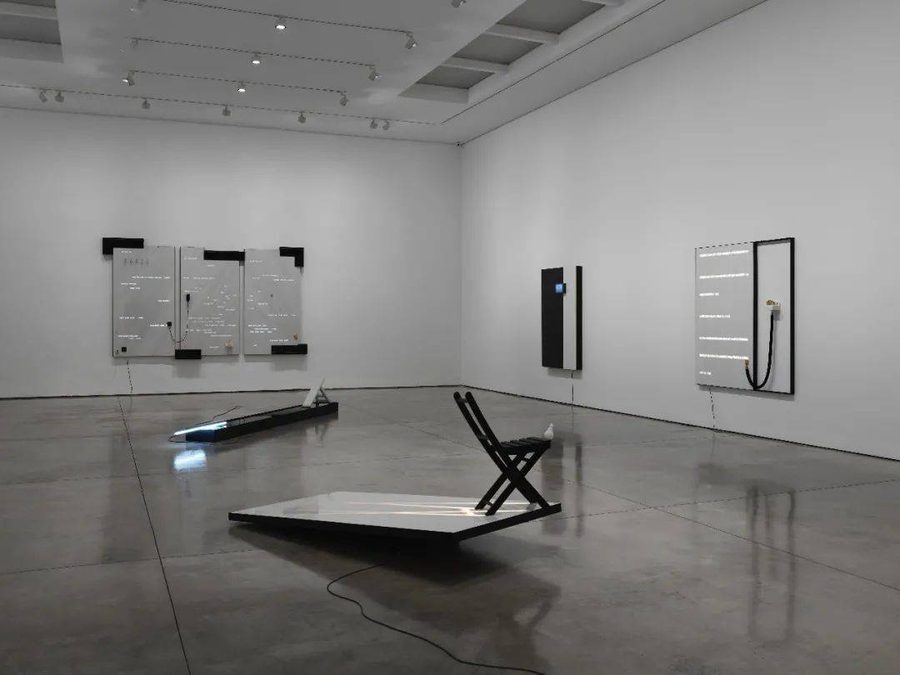
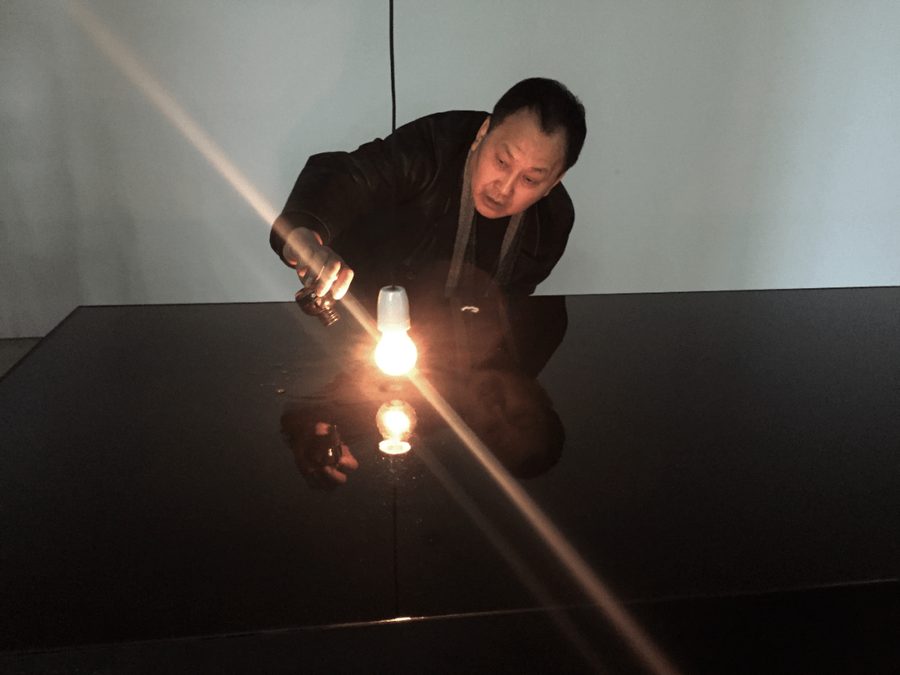
- Born in 1960; together with Lin Tianmiao he kept the home space LOFT in Beijing for experimental video, and in his works he builds a projection onto a household object — a table, a screen, dishes.
4. Qiu Zhijie — 邱志杰 (b. 1969, Zhangzhou (Fujian))
Graduate: Zhejiang Academy of Art (版画系), 1992
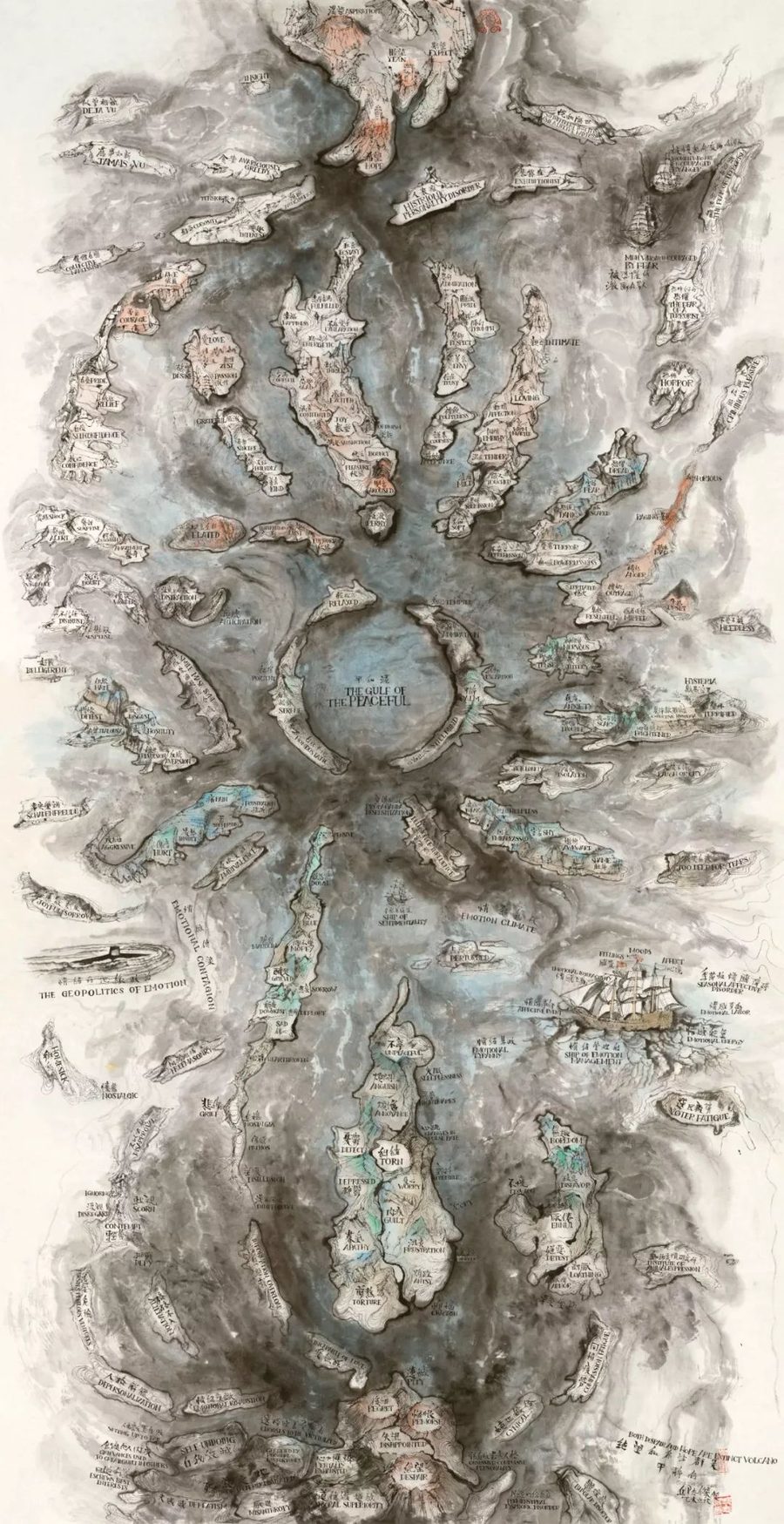
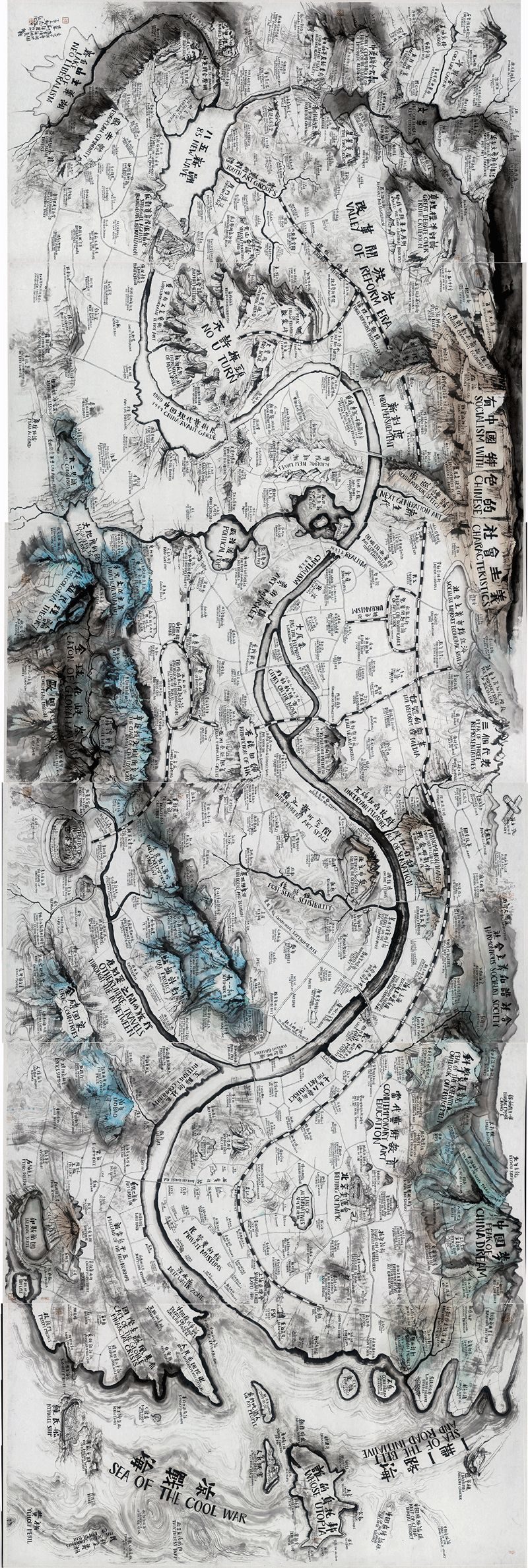
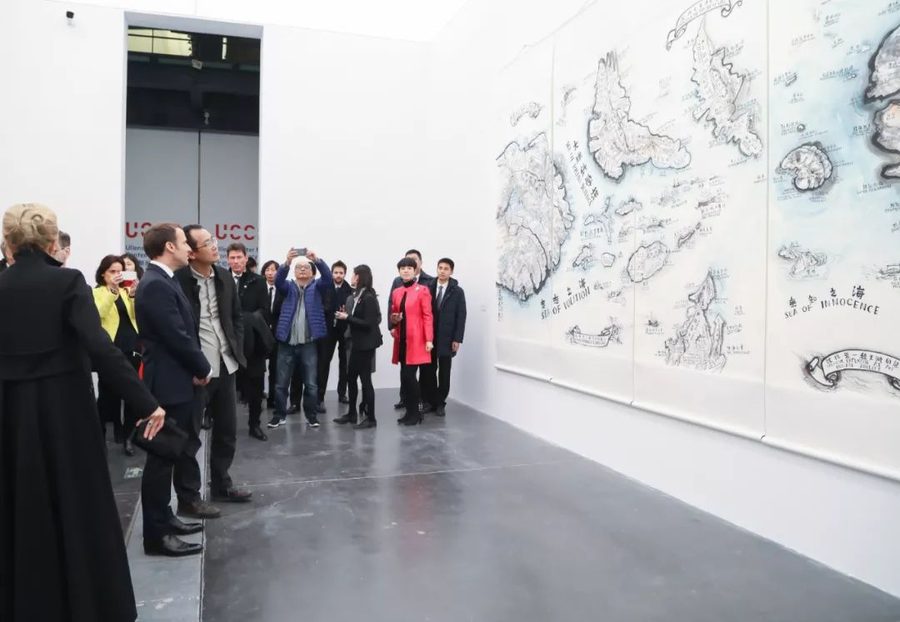
“Maps” and total encyclopaedic installations: art as the investigation and classification of the world.
- “Map of Tibet” and the “Blueprints” series — giant drawn labyrinth-maps around which whole halls are built.
- “Repeating 1000 Times” (1990–1995) — copying a single character: meditation as method.
- Curator of the biennale of contemporary art; since May 2024, rector of the Tianjin Academy of Fine Arts; he previously ran a studio at the China Academy of Art in Hangzhou.
- Born in 1969 in Zhangzhou; in 1992 he graduated from the printmaking department of the Zhejiang Academy of Fine Arts (now the China Academy of Art), and previously he was dean of the School of Experimental Art at CAFA.
5. Wang Qingsong — 王庆松 (b. 1966, Daqing (Heilongjiang))
Graduate: Sichuan Academy of Fine Arts, 1991
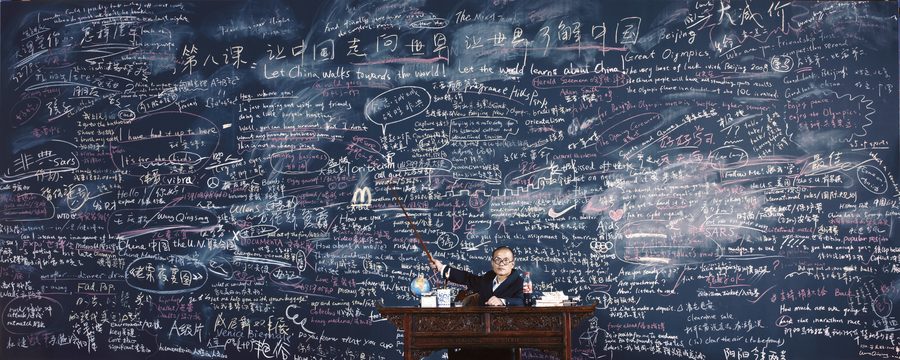
Staged “photo-paintings”-installations: huge groups of people and objects, played out like museum halls.
- “Follow Me” (跟我学, 2003) and “Contemporary Painting” — stagings with dozens of assistants, in which the author himself is always in frame.
- He works at the junction of photography and installation: first he builds a full-scale set, then photographs it.
- Chair of the jury of the first Chengdu Photography Biennale; solo exhibitions in Asia, Europe and Australia.
- Born in 1966 in Daqing; he studied oil painting at the Sichuan Institute of Fine Arts and graduated in 1993, after which he moved to Beijing to work.
website instagram weibo youtube
6. Sun Yuan & Peng Yu — 孙原 & 彭禹 (b. 1972, Beijing | b. 1974, Heilongjiang)
Graduate: Central Academy of Fine Arts, 1995
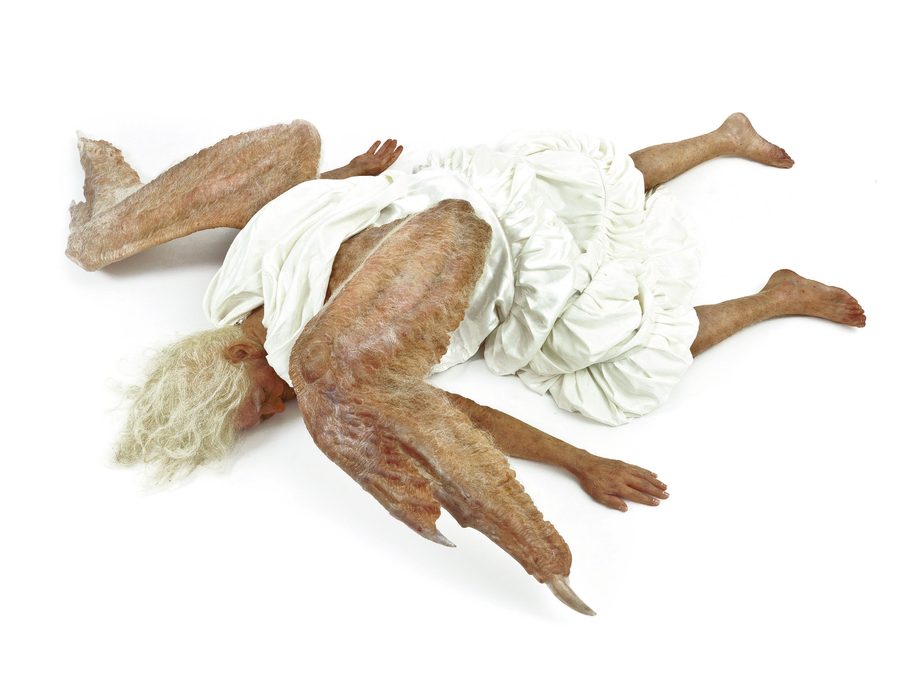
Mechanical installations and provocation: the body, meat, technology and power. They have worked as a duo for more than twenty years.
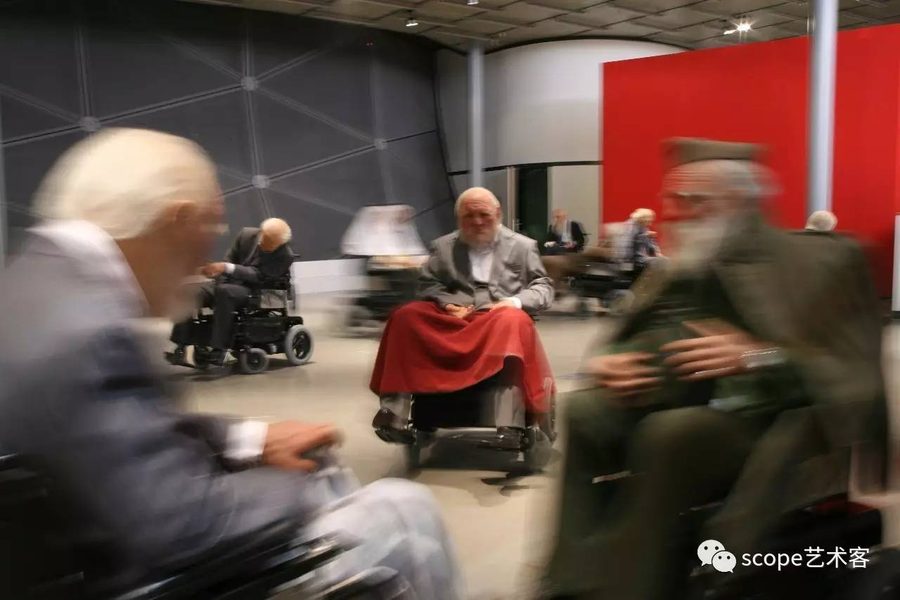
- “Canistherapy” (2003) — wheelchairs driven by robots and colliding with one another.
- “Old Dishes” and “Don't Hurt Yourself” — red colour and mechanics as instruments of violence.
- Their “Han” (2016) — a giant machine-skeleton — was shown at the Guggenheim; works in the collections of M+, Tate and White Rabbit.
- Both graduated from CAFA, a duo since the 1990s; they have been called the “first engineering couple” of Chinese art.
- Both studied oil painting at CAFA, where they met; they married in 2000 and since the late 1990s have worked only as a duo, alternating mechanics and video.
7. Xu Zhen — 徐震 (b. 1977, Shanghai)
Graduate: Shanghai Arts and Crafts School, 1996
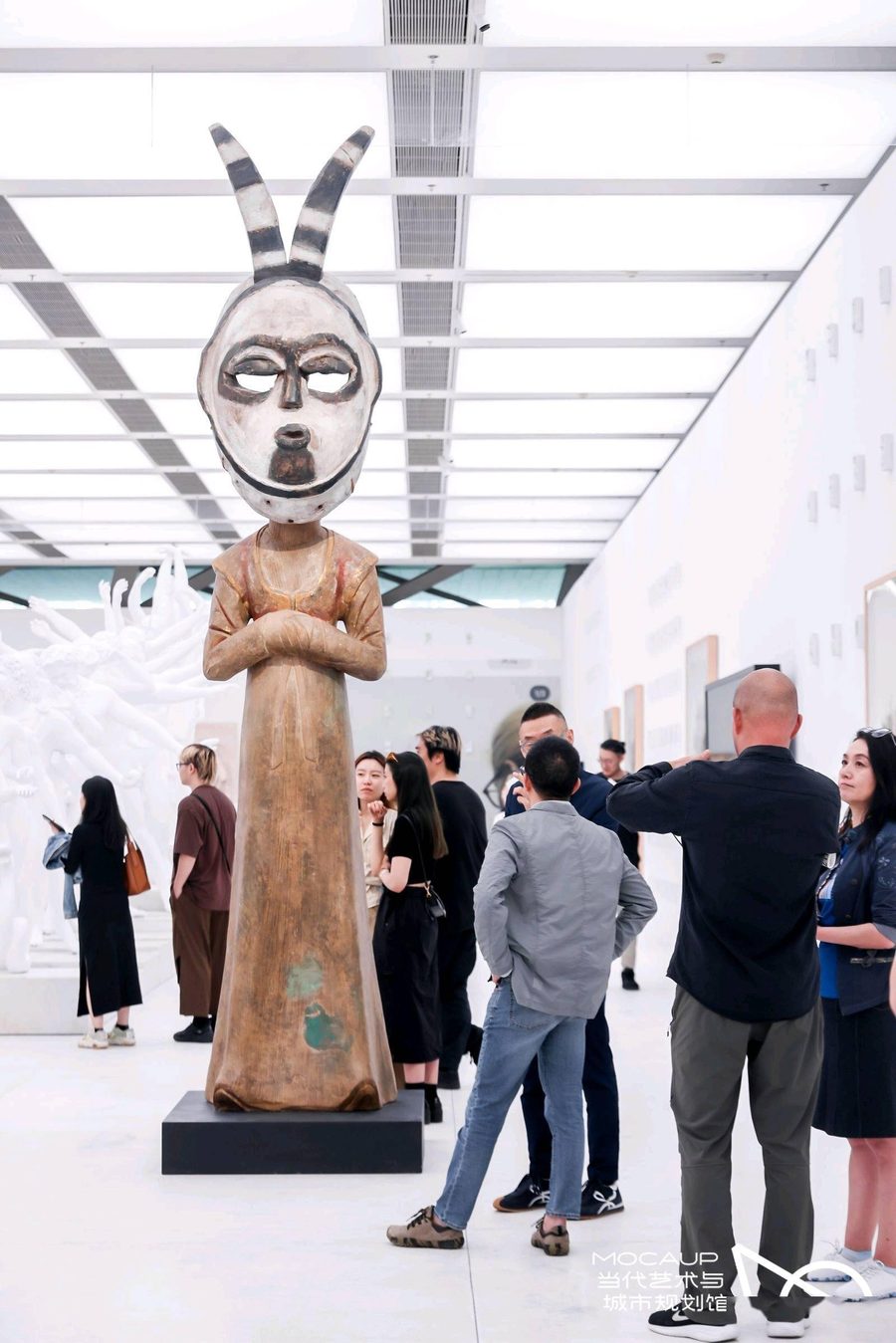
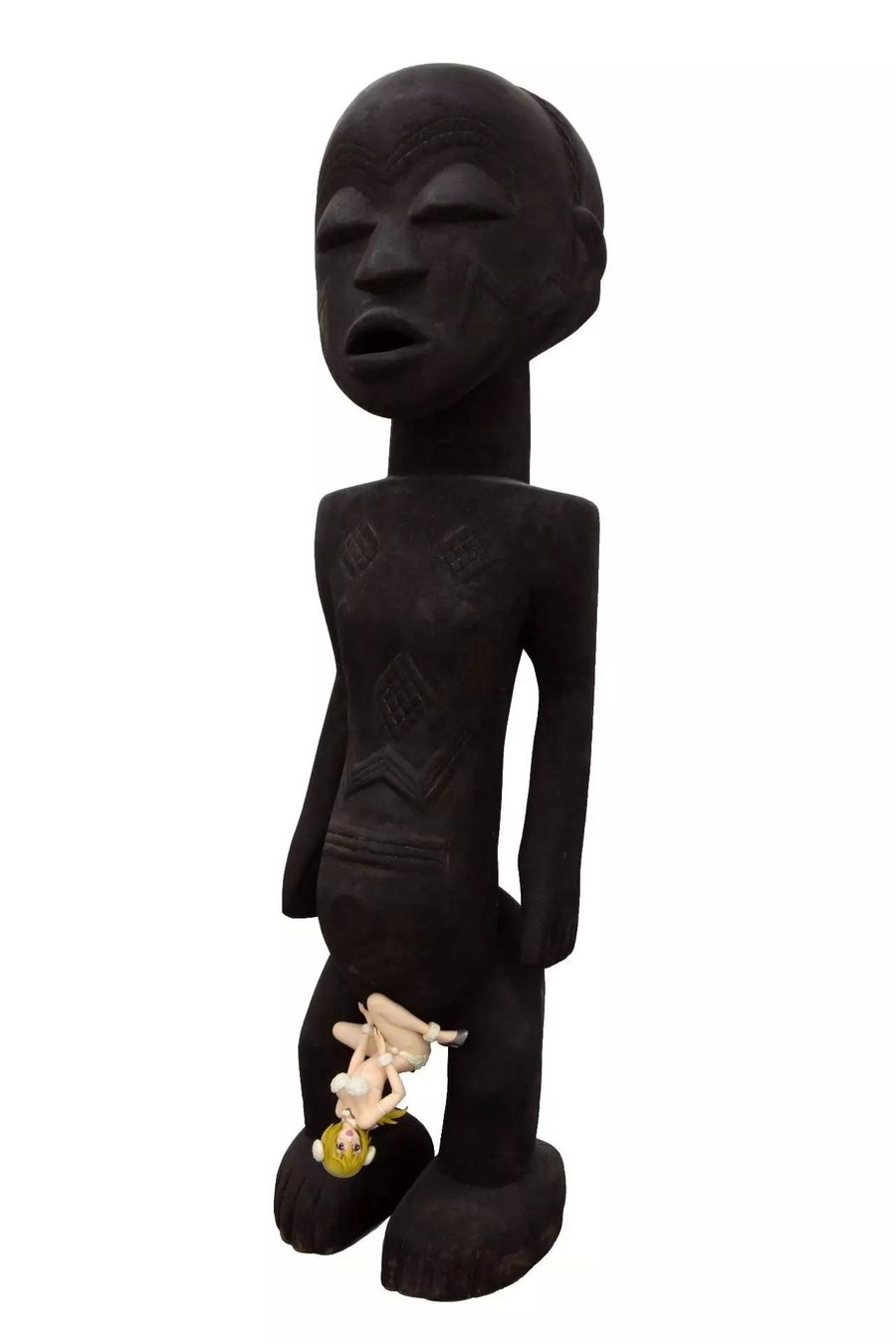
The idea factory MadeIn Company: installations, video and the “brand” as a form of art.
- “Instant Pleasure” (2006–2009) and “Eclipse” — large light and mechanical installations.
- “Labyrinth” and the “Indescribable” series — works that the company produces as a product.
- Founder of MadeIn Company (2009) — China's first art “concern”, with workplaces and departments.
- Works in MoMA, Pompidou, Guggenheim and M+; a participant in the Venice Biennale.
- Born in 1977 in Shanghai; in 1996 he graduated from the Shanghai Arts and Crafts School (上海工艺美术学校), and in 2009 he founded MadeIn Company, announcing the dissolution of his own authorial identity.
8. Wang Yuyang — 王郁洋 (b. 1979, Harbin)
Graduate: Central Academy of Fine Arts, 2008
Light, algorithm and machine: installations in which technology makes mistakes and thereby “creates”.
- “Moon” (月, 2012) — lamps glowing according to a program that imitates the lunar phases.
- The “Artificial Light” series: machines that draw and think on the author's behalf; the algorithm as co-author.
- Professor at the CAFA School of Experimental Art, heir to the “techno-object” line.
- His question: what remains of the artist if a program finishes the work.
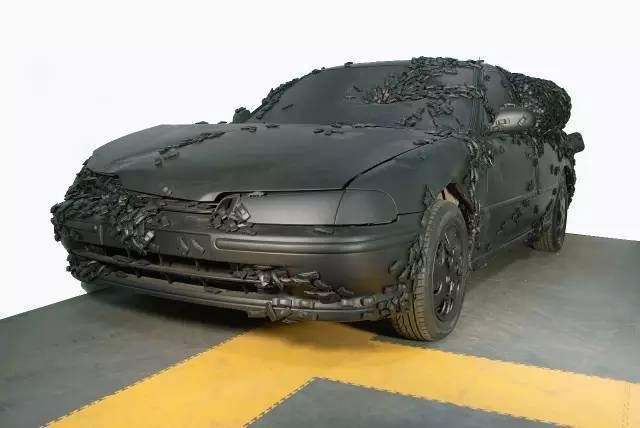
- Born in 1979 in Heilongjiang; in 2008 he received a master's degree from CAFA and teaches there in the experimental art department, assembling “living” creatures out of household appliances — an ATM, a washing machine, an old minivan.
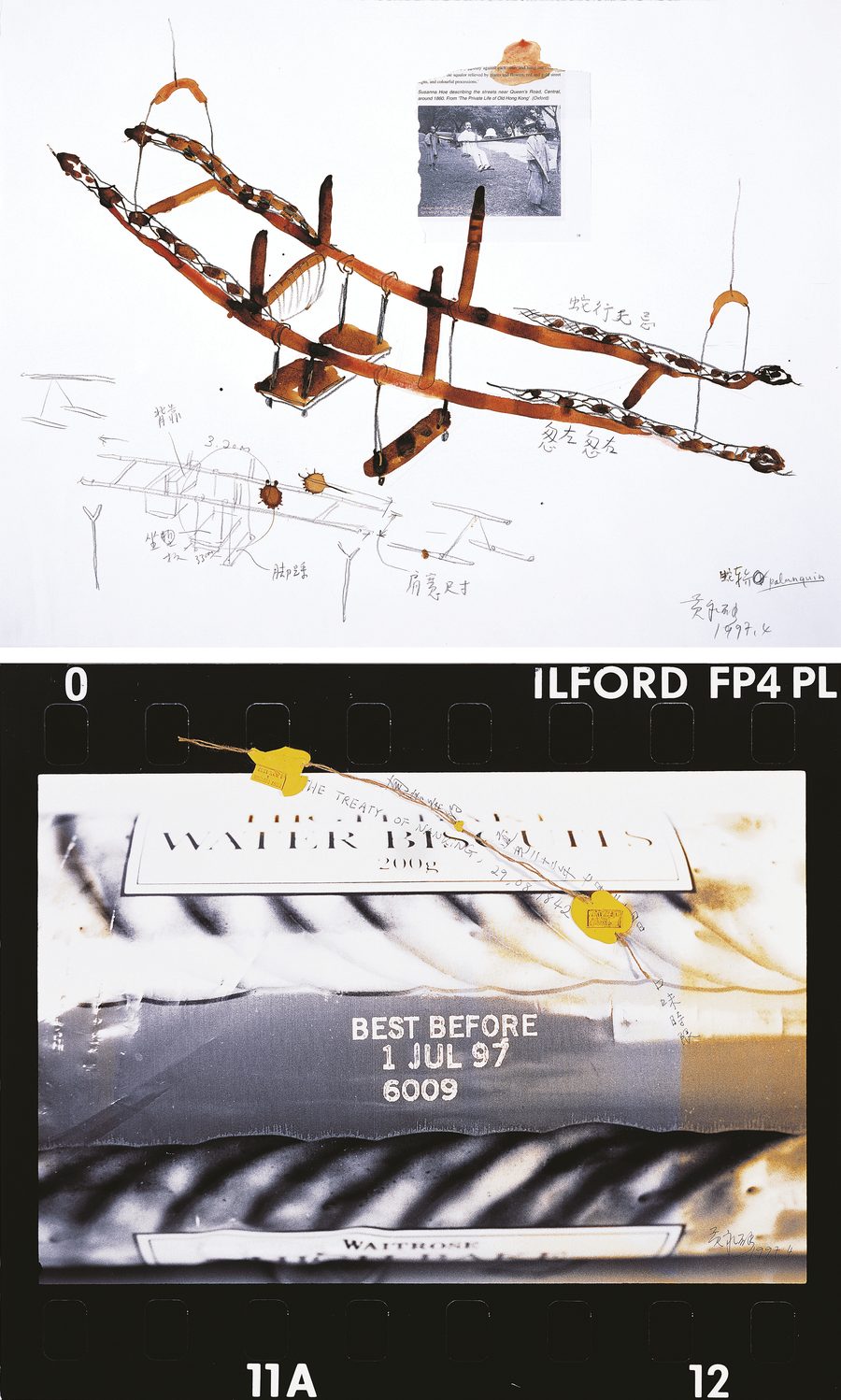
9. Huang Yong Ping — 黄永砯 (1954, Xiamen — 2019, Paris)
Graduate: Zhejiang Academy of Fine Arts (now China Academy of Art), 1982
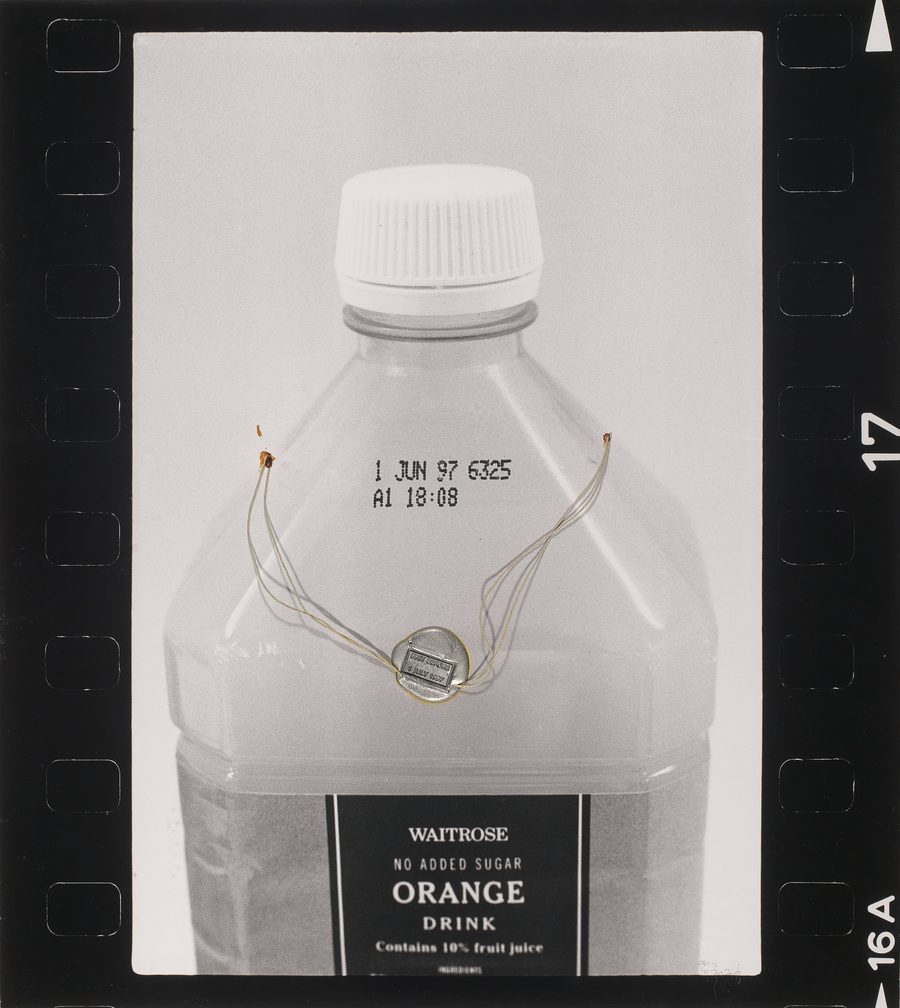
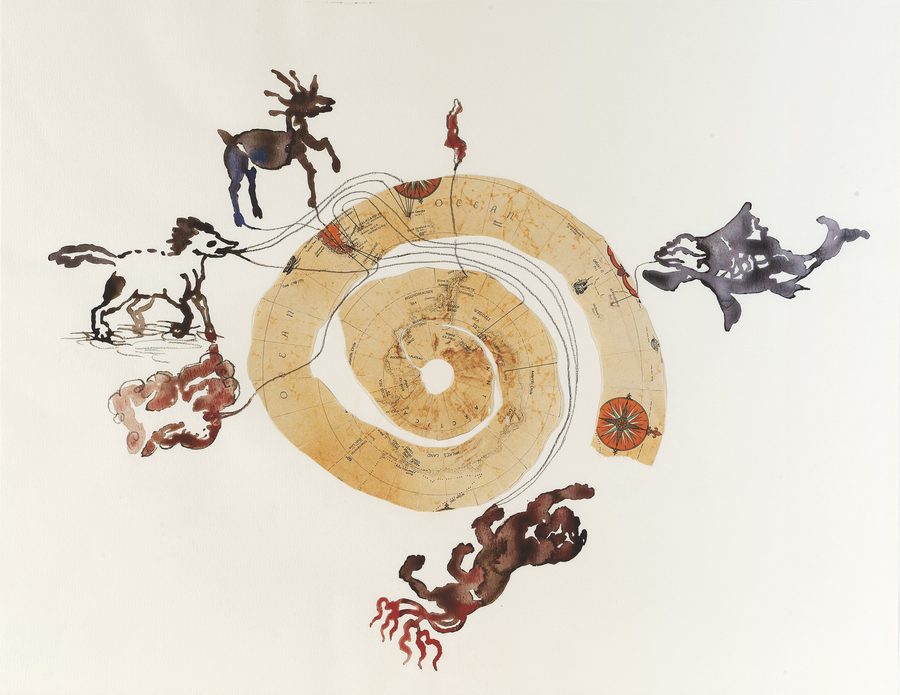
Monumental installations-“menagerie” of culture: totem, stuffed animal, machine and text. One of the founders of the “85 New Wave” movement.
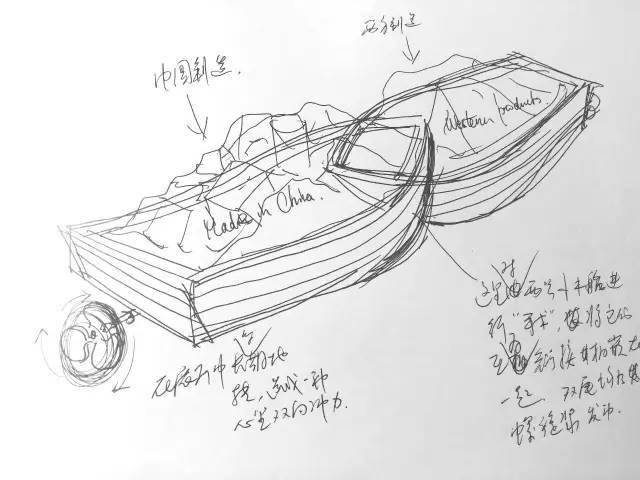
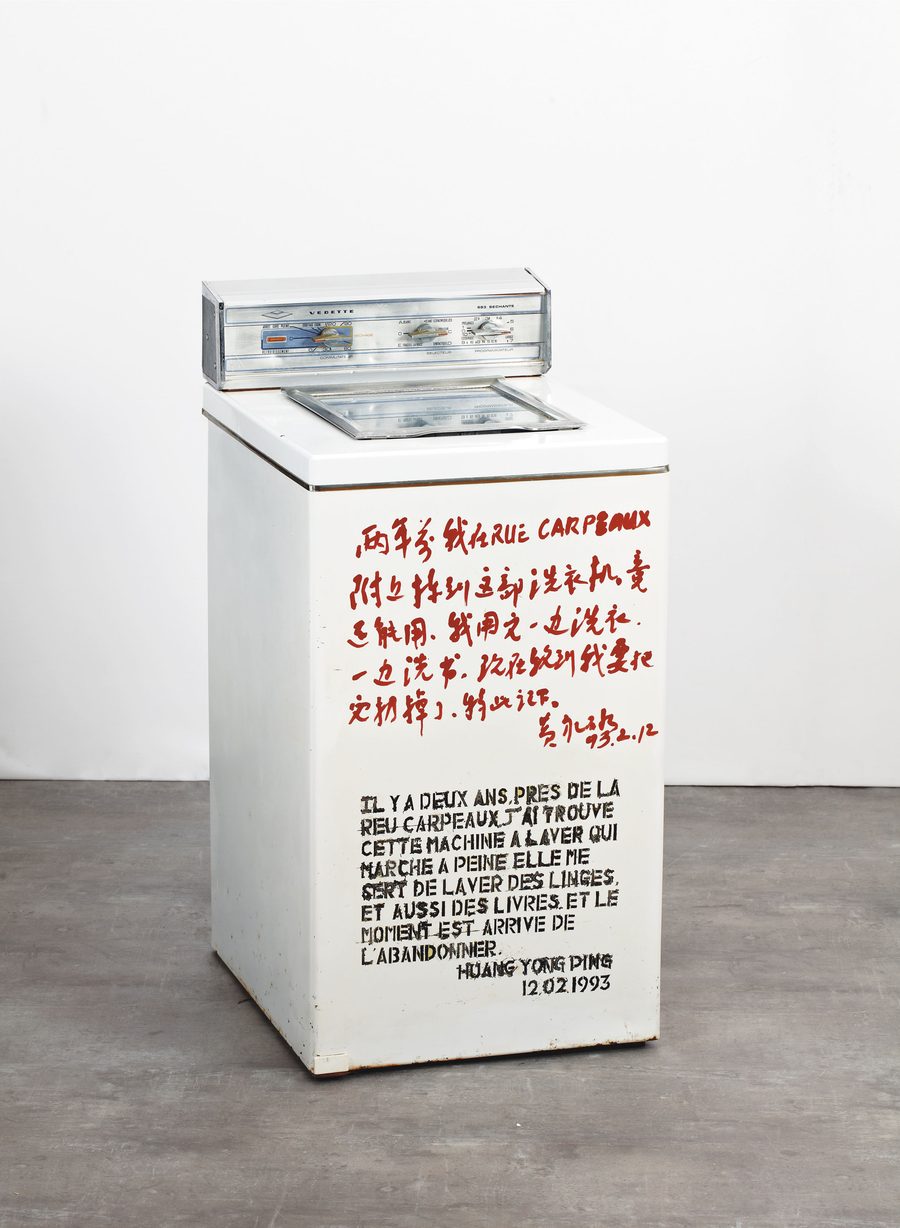
- “The History of Chinese Painting and the Brief History of Modern Western Painting, Washed in a Washing Machine for Nine Minutes” (1987) — a gesture that became canonical.
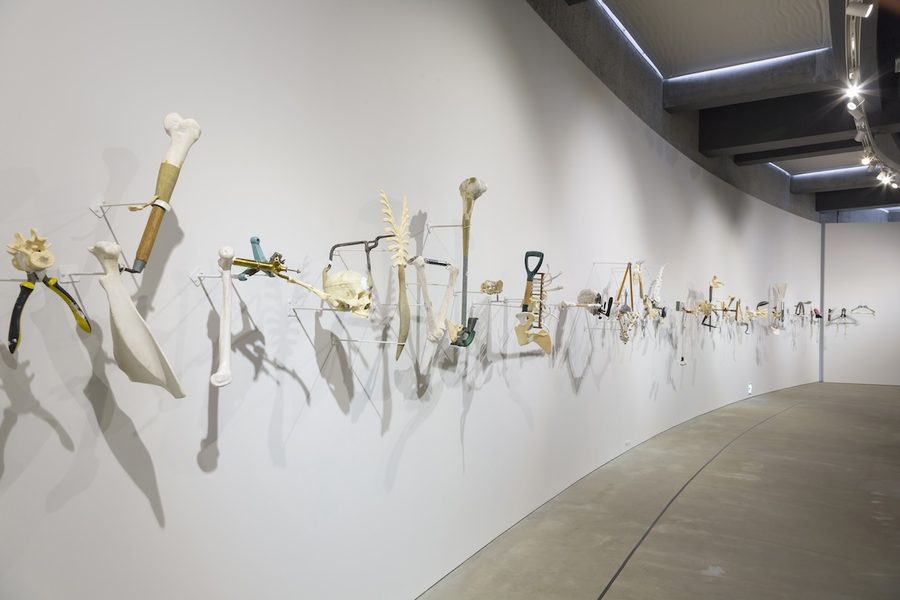
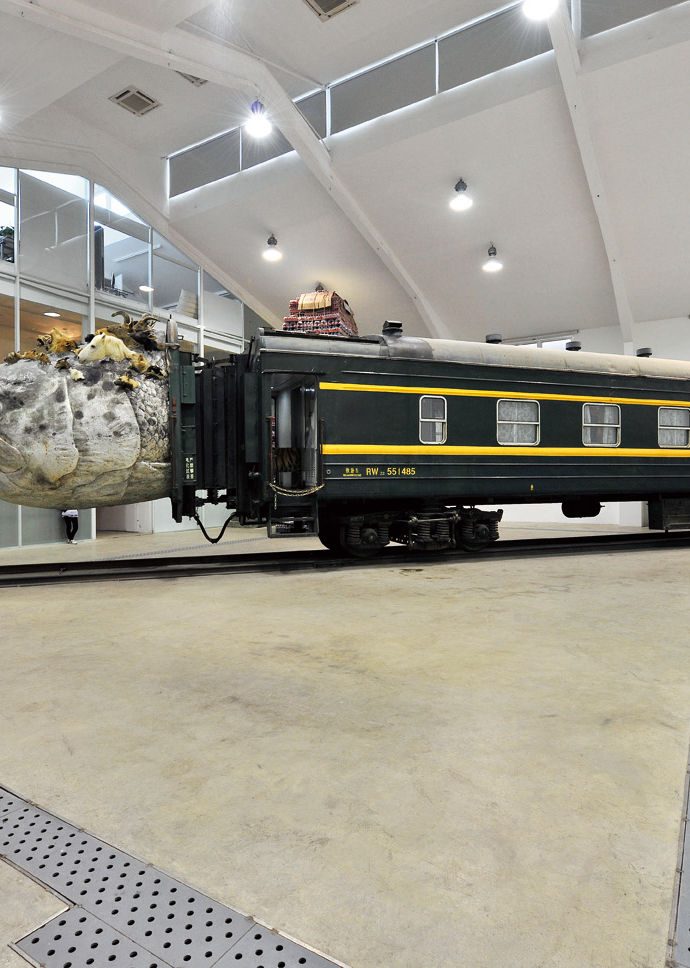
- The “Animal Spirit” series — animal skeletons, snakes, aeroplanes and boats in museum halls.
- He lived in Paris from 1989; in 1999 he represented France at the Venice Biennale, works in Guggenheim, Tate, Pompidou.
- His method is to turn a museum hall into a menagerie and make objects speak about power.
- Born in 1954 in Xiamen; in 1982 he graduated from the Zhejiang Academy of Art in Hangzhou, and in 1986, with like-minded artists, he founded the “Xiamen Dada” group, and in 1989 he left for Paris.
10. Chen Zhen — 陈箴 (1955, Shanghai — 2000, Paris)
Graduate: Shanghai Theatre Academy, 1982
Installations-“organs” made of chairs, blood, earth and old objects: the body, illness and global exchange.
- “Circle of Incantations” (1999) and “Daily Offering” — furniture fused into living forms.
- “Zen-Zen” and the “Preparations” series: chairs as anatomical specimens, cut apart and joined together.
- He spent his last years ill and died in Paris in 2000; his retrospectives were held in Hong Kong, Shanghai and Venice.
- His installations make pain into visible matter — without metaphor and without ornament.
- Born in 1955 in Shanghai; in 1973 he studied at the Shanghai Arts and Crafts School, from 1986 he lived in Paris, and in 1995–1999 he taught at the École nationale supérieure d'art de Nancy.