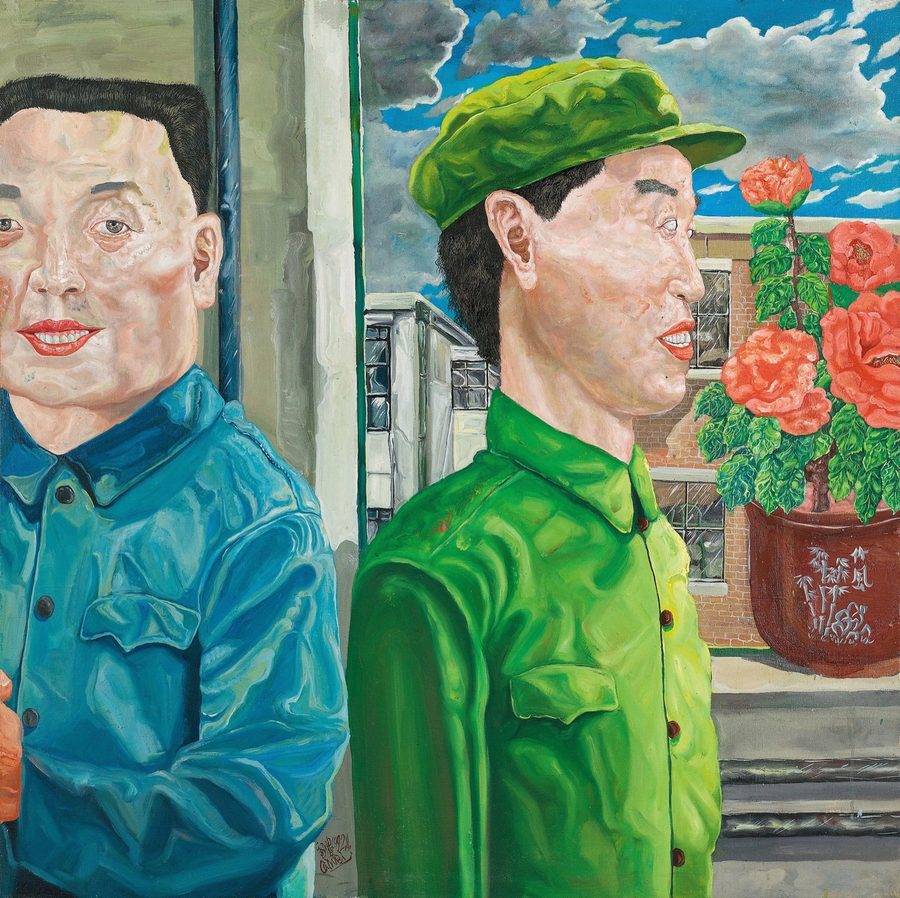
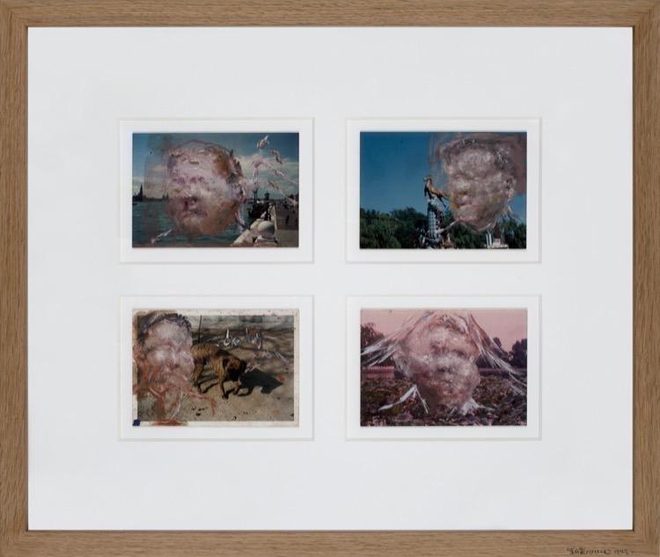
survey_12 — pop art in China
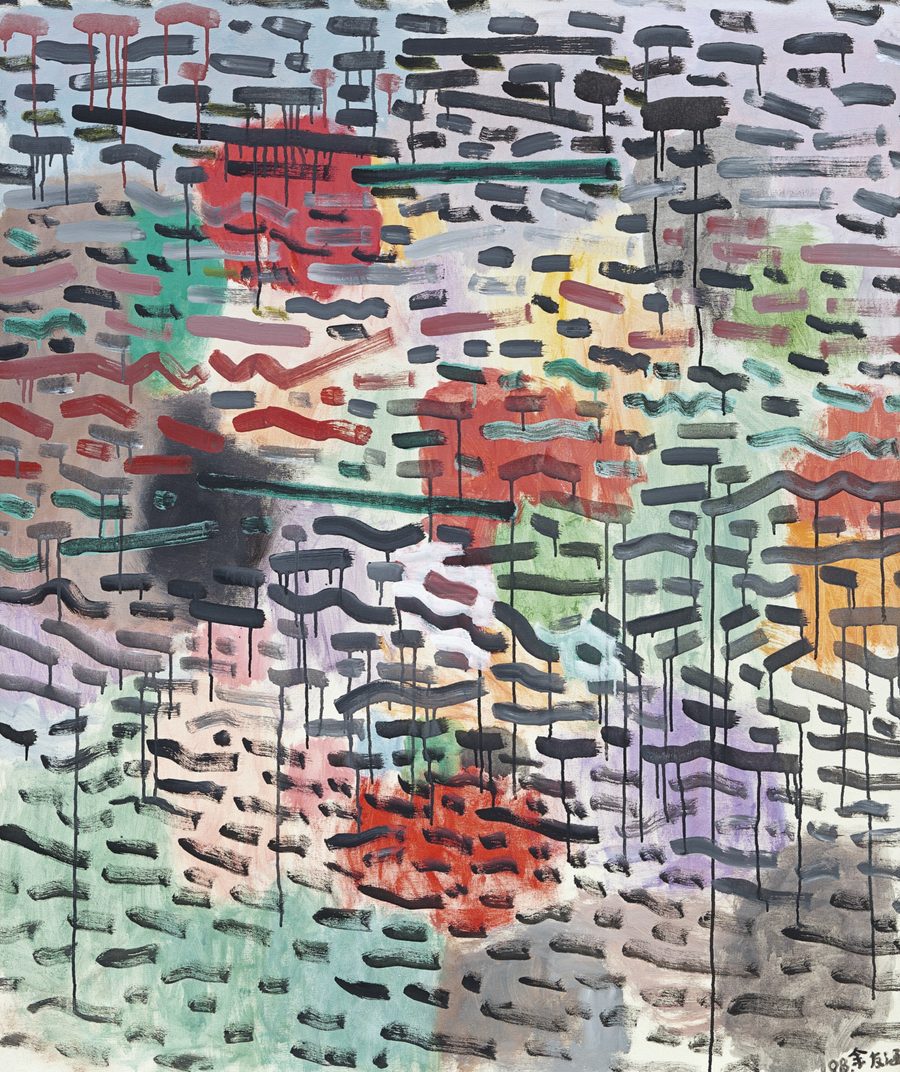
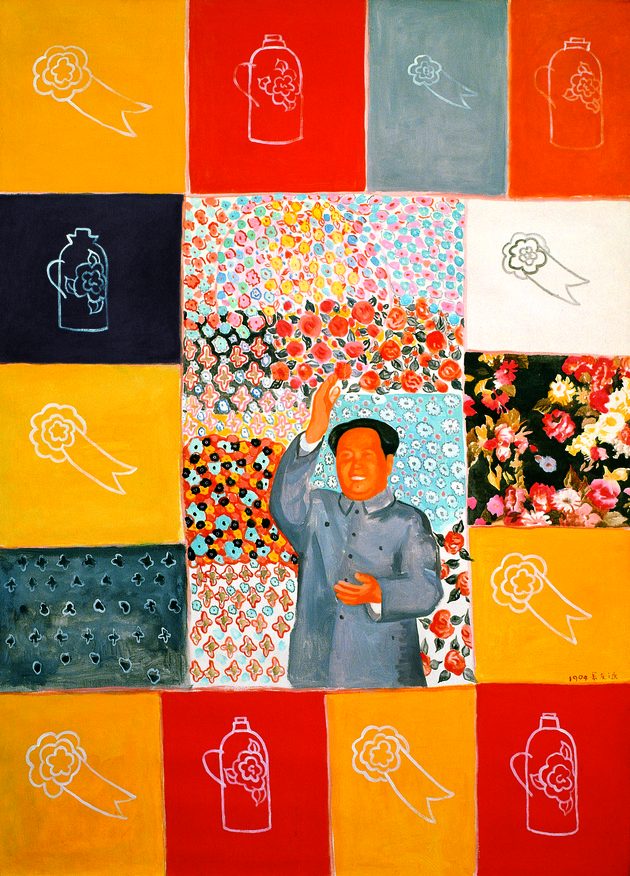
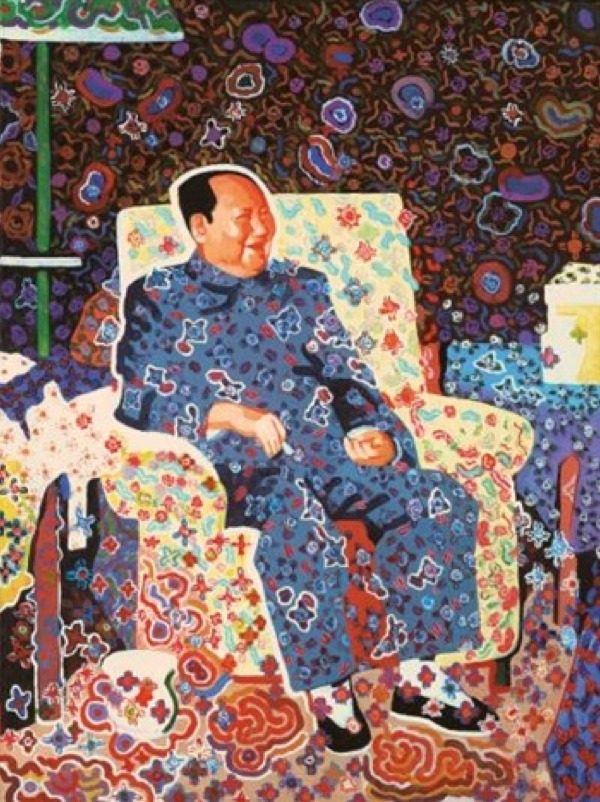
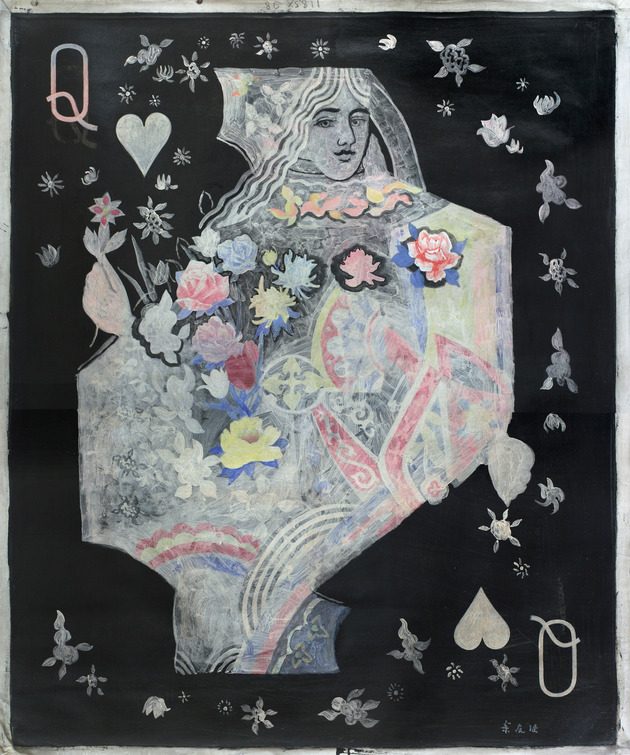
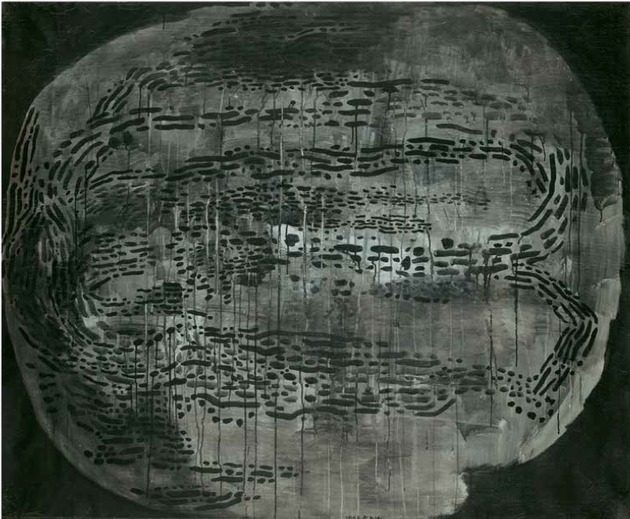
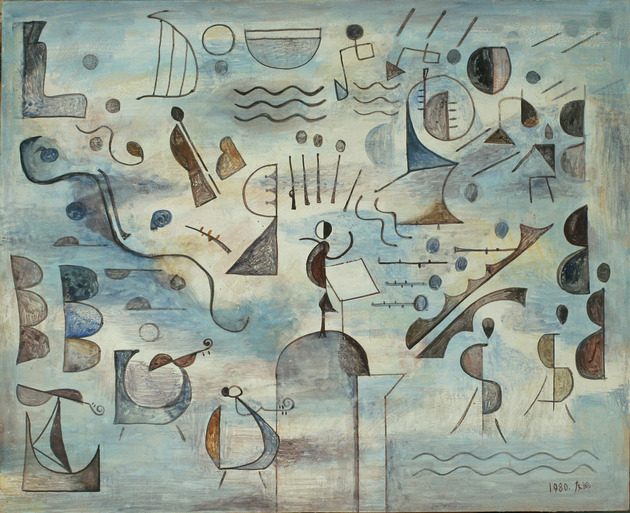
1. Yu Youhan — 余友涵 (1943–2023, Shanghai)
Graduated from: Central Academy of Arts and Crafts, 1973
Considered the father of two strands of Chinese art at once: domestic abstraction and political pop.
- "Circles" (圆, since 1985)— a series of abstractions made of dots arranged in a circle: an abstraction line of its own, not a Western one.
- Mao with Flowers (1990s) — portraits dissolved into a decorative floral pattern: icon and wallpaper in a single layer.
- Teaching in Shanghai — many years of work as a teacher alongside his own practice.
2. Li Shan — 李山 (b. 1942, Lanxi (Heilongjiang))
Graduated from: Shanghai Theatre Academy (stage design department), 1968
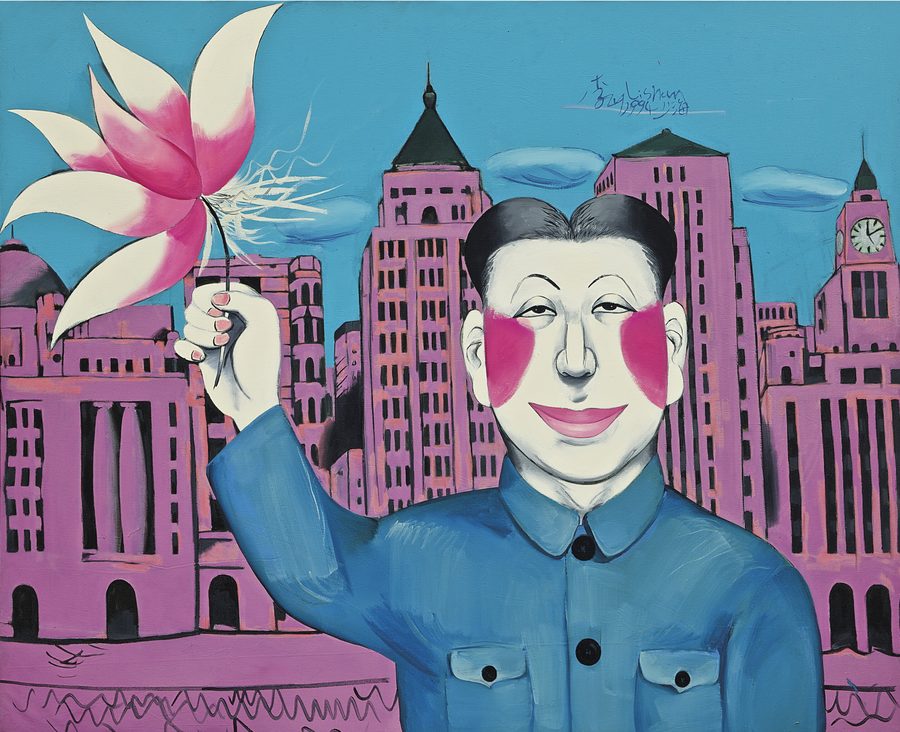
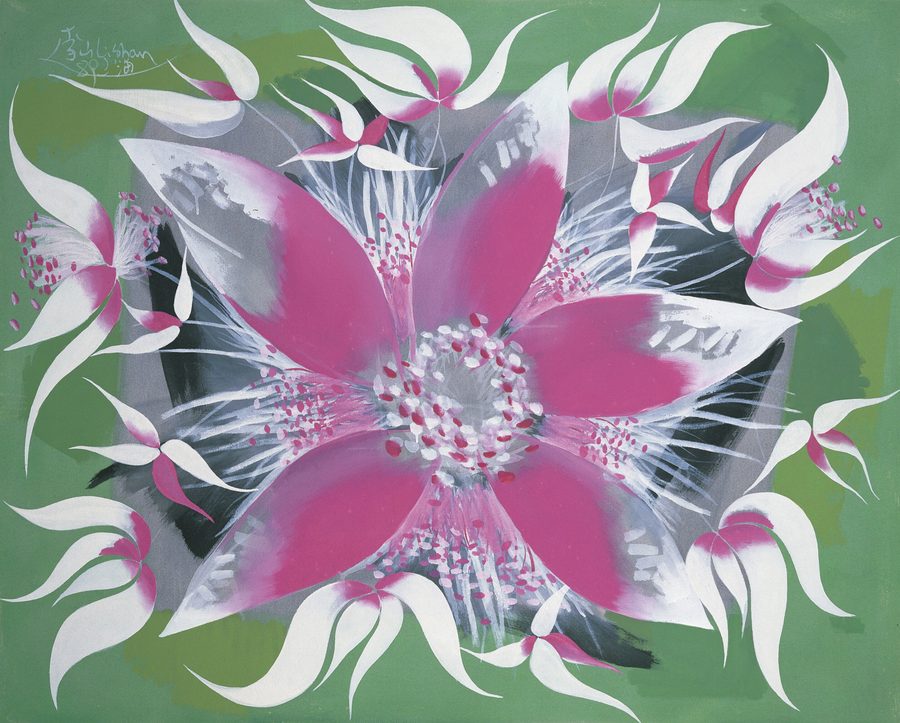
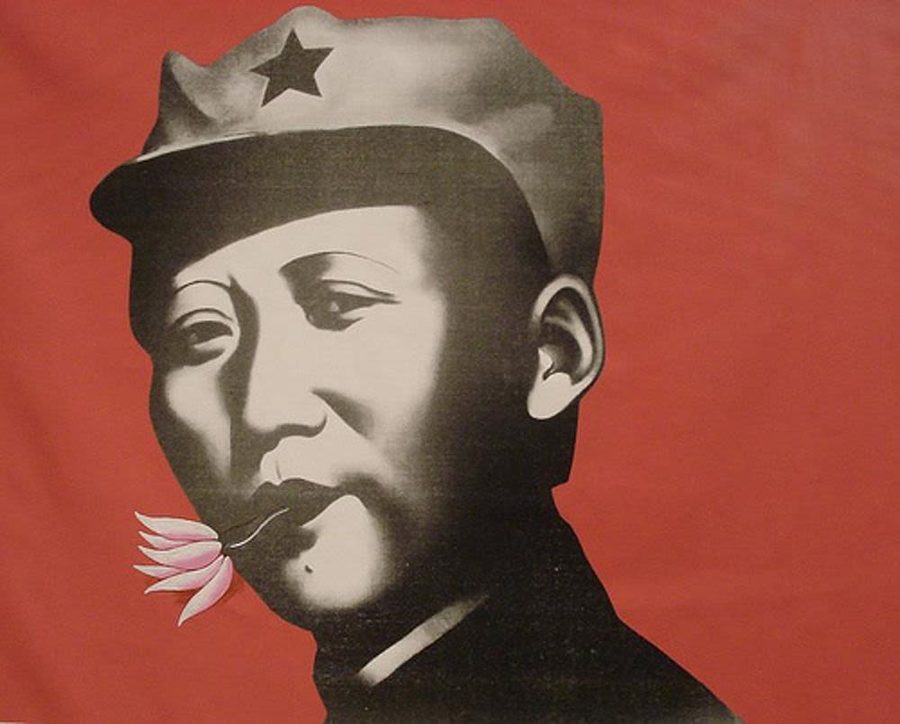
First-wave political pop: the body, the lotus flower and a red field.
- "Rouge" (胭脂, from 1988) — a series in which naked bodies stand alongside flowers and political symbols.
- "Building the Rouge Empire" (1994) — a solo exhibition in Hong Kong that showed the series in full.
- Lotuses and "red" decoration — a device in which official symbolism turns into eroticism and ornament.
3. Qi Zhilong — 祁志龙 (b. 1962, Hohhot (Inner Mongolia))
Graduated from: Central Academy of Fine Arts, 1987
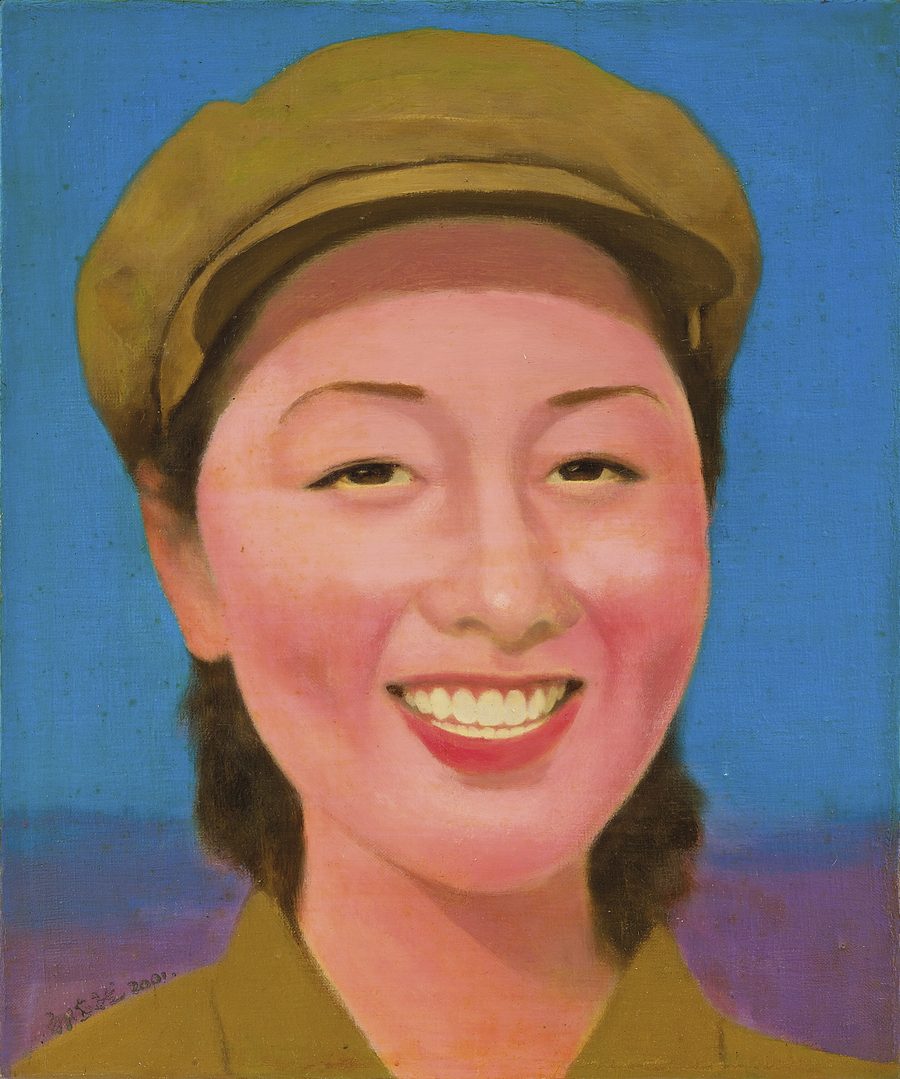
"Chinese Girl": a portrait of a generation raised in a tunic and a red scarf.
- "Chinese Girl" (中国女孩, from 1992) — the recognisable image of a girl in a guard’s or soldier’s uniform, painted as a pop icon.
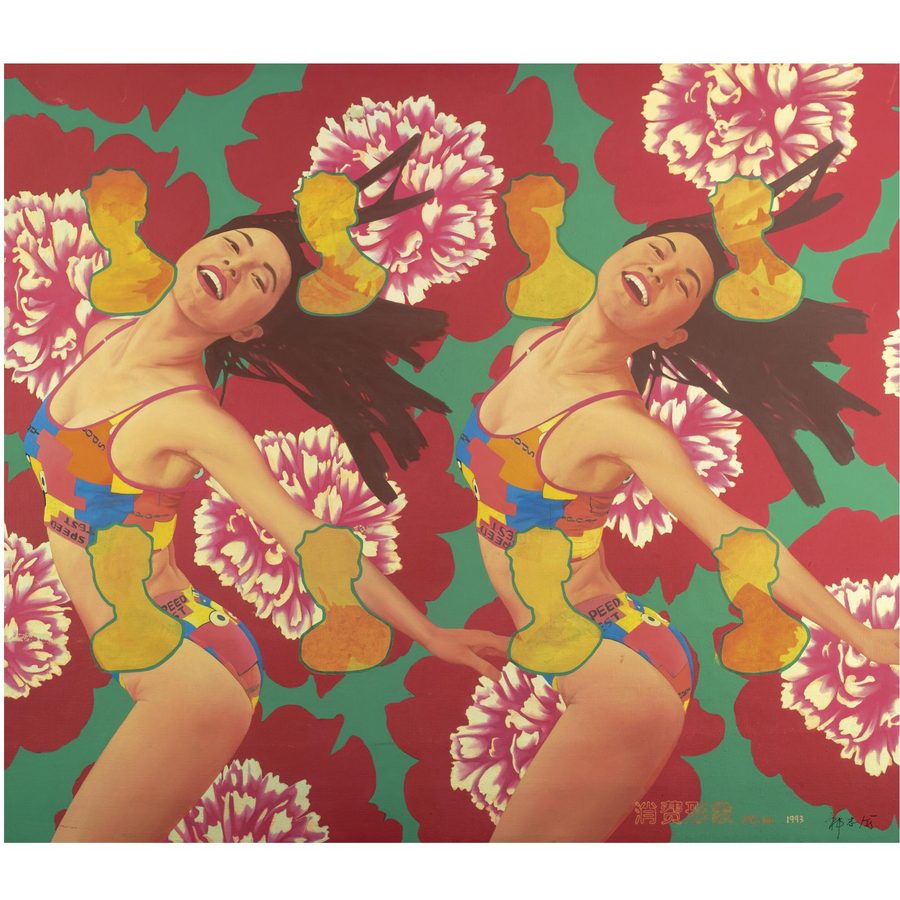
- "The Look of Consumption" (1992) — an early solo exhibition from which his pop line begins.
- The repeatability of the image — the same portrait repeated in dozens of versions: the device of a series instead of a single painting.
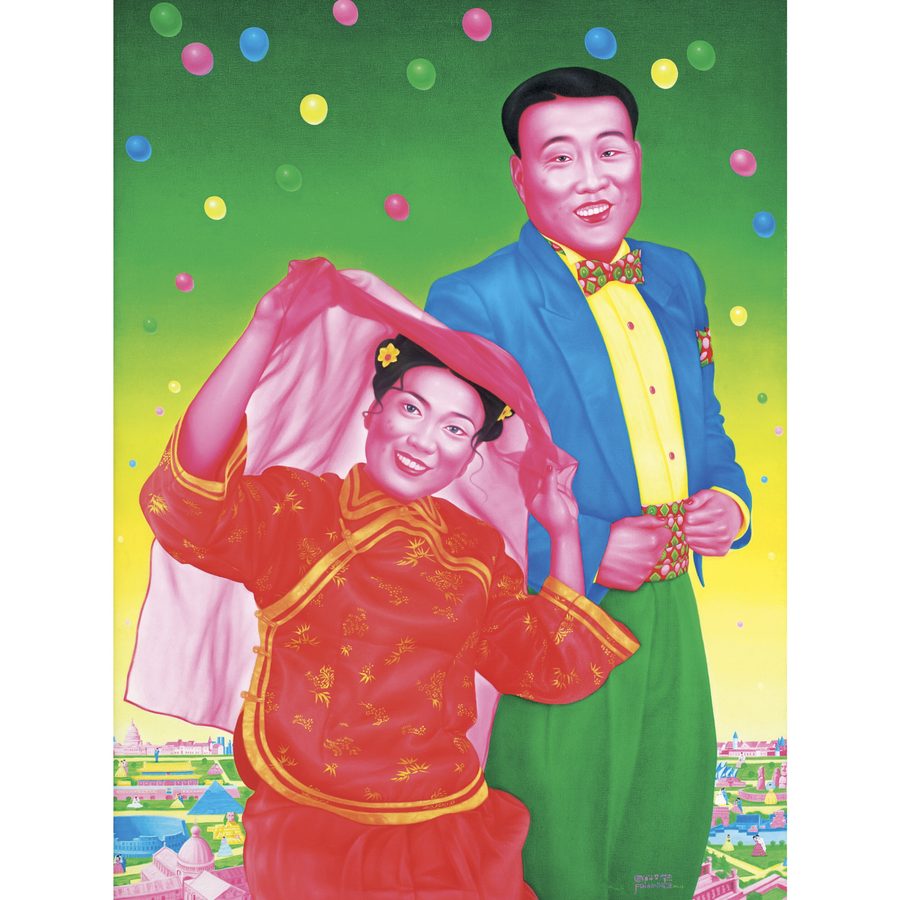
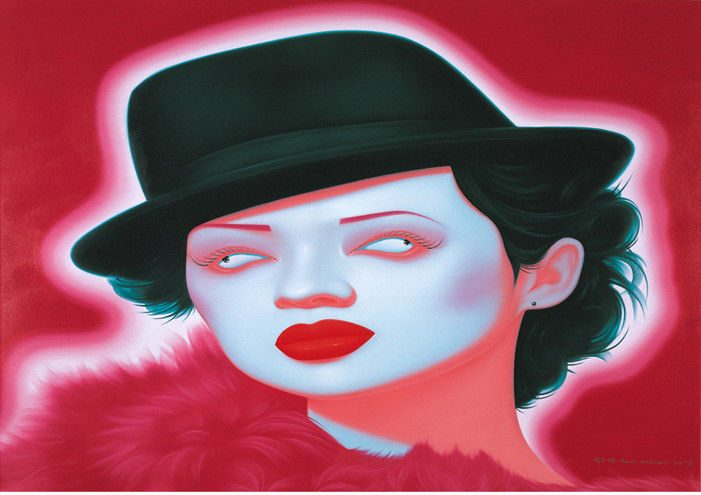
4. Feng Zhengjie — 俸正杰 (b. 1968, Sichuan; lives in Beijing and on Jeju)
Graduated from: Sichuan Institute of Fine Arts, 1995
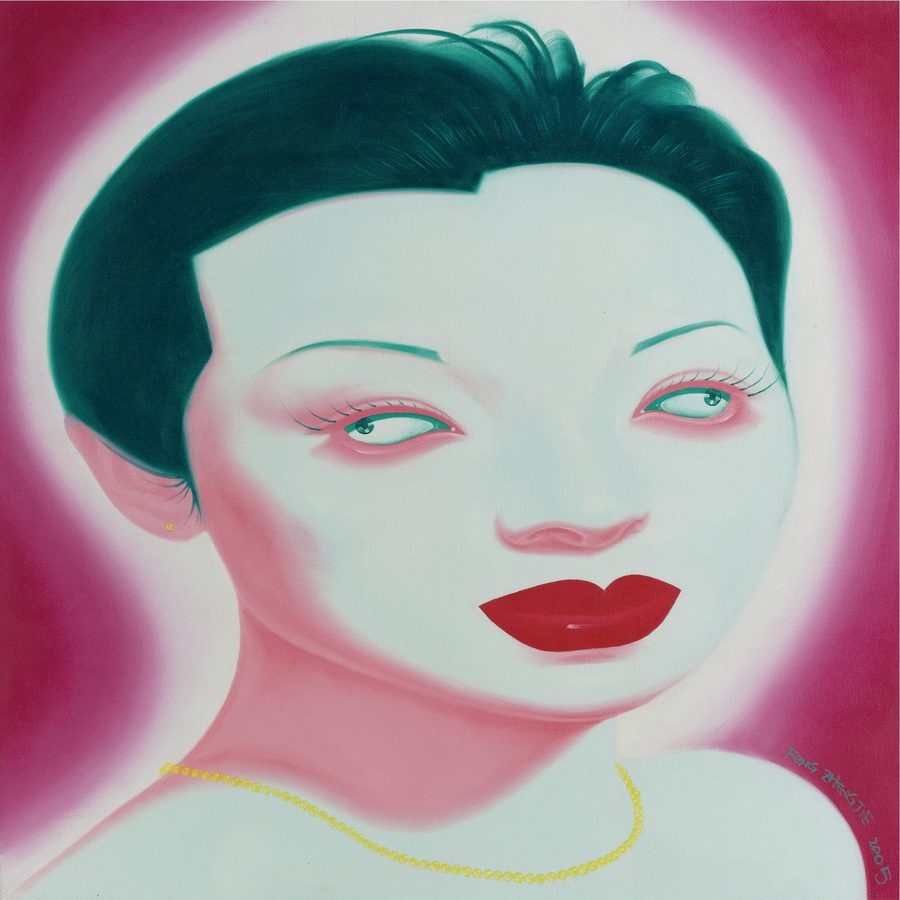
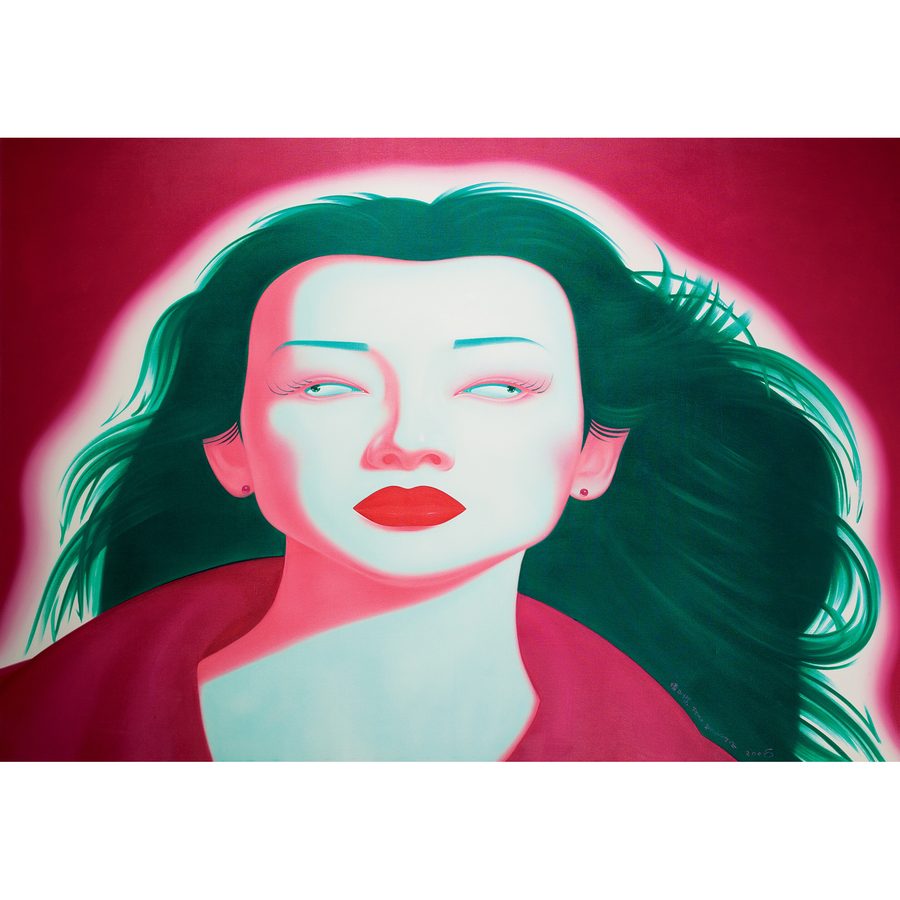
"Chinese Portrait": glossy faces with averted glances and harsh make-up.
- "Chinese Portrait" (中国肖像, from the 1990s) — large female faces, their colour exaggerated to the point of a billboard.
- The device of the series — one image multiplied into dozens of variants: the portrait as a mask for a generation.
- Painting about appearances — beauty pushed to the condition of advertising.
5. Luo Brothers — 罗氏兄弟 (b. 1963–1972, Nanning (Guangxi))
Graduated from: Guangxi Academy of Arts; Guangzhou Academy of Fine Arts; Central Academy of Arts and Crafts, 1987; 1987; 1997
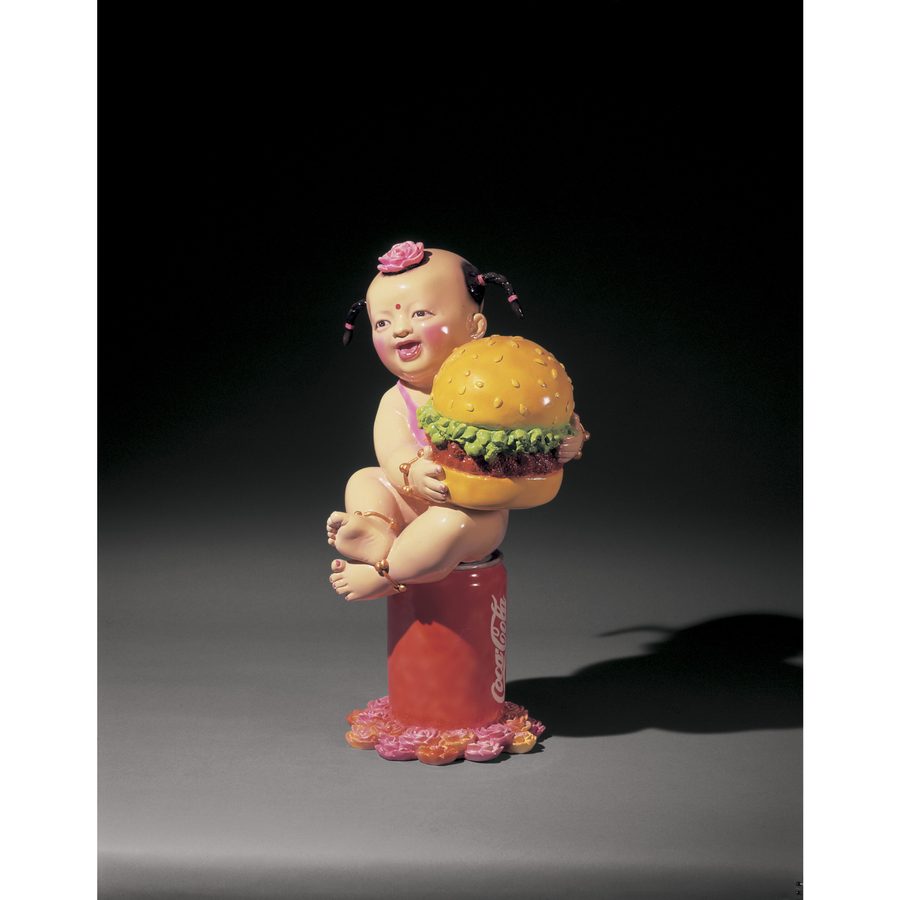
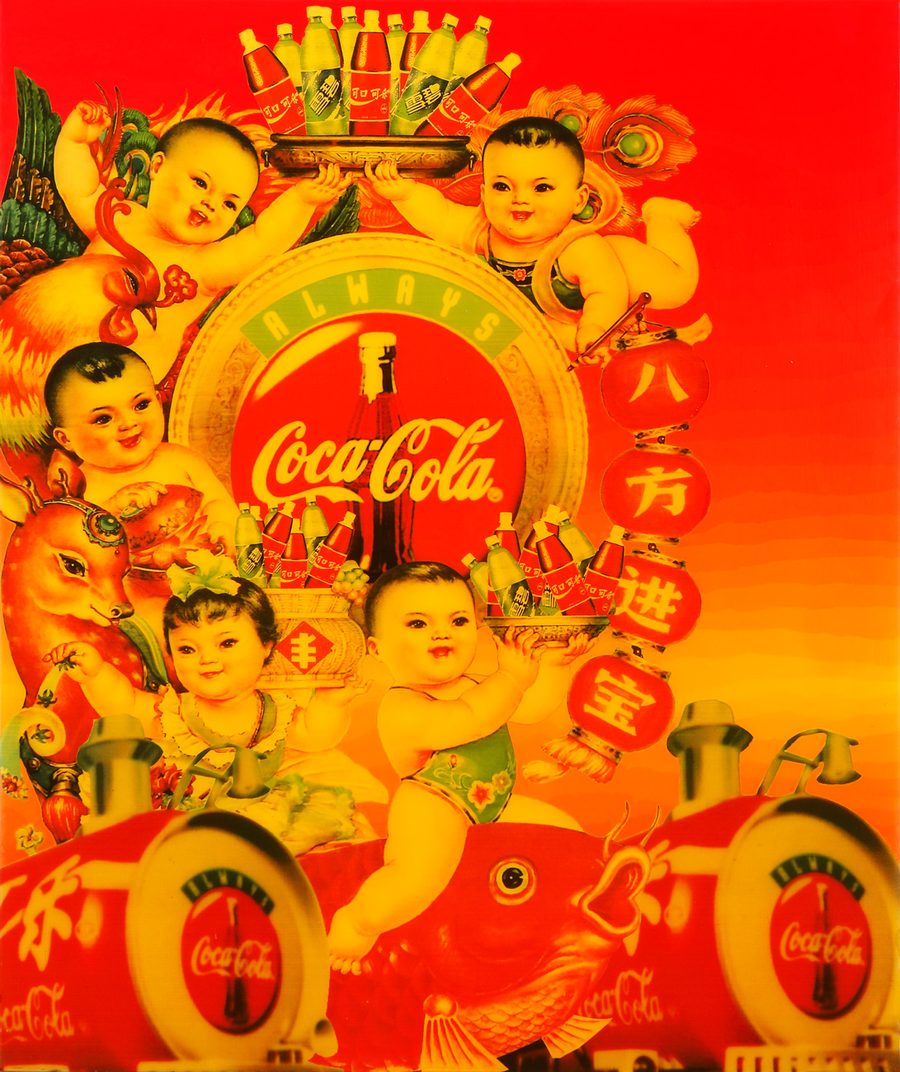
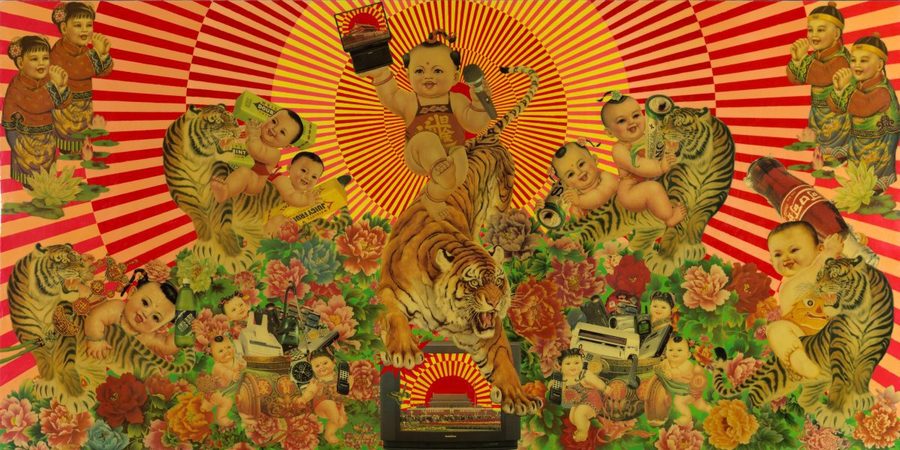
Kitsch as a position: three brothers combined advertising gloss, lacquer and children’s faces into a single formula.
- "Welcome, World-Famous Brand" (2000) — collage and lacquer on wood; the work is in the collection of the Art Gallery of New South Wales.
- Babies and lacquer — a technique using layer upon layer of lacquer that refers back to traditional craft, with advertising laid on top of it.
- The kitsch debate — the works posed the question of where the line falls between art and a market souvenir.
6. Tang Zhigang — 唐志岗 (b. 1959, Kunming (Yunnan))
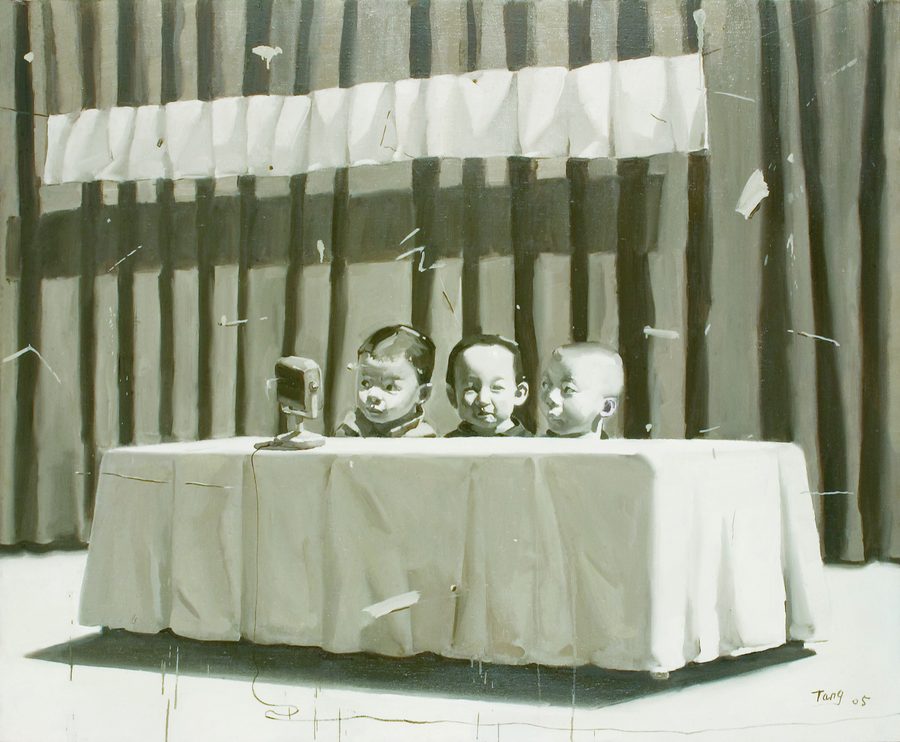
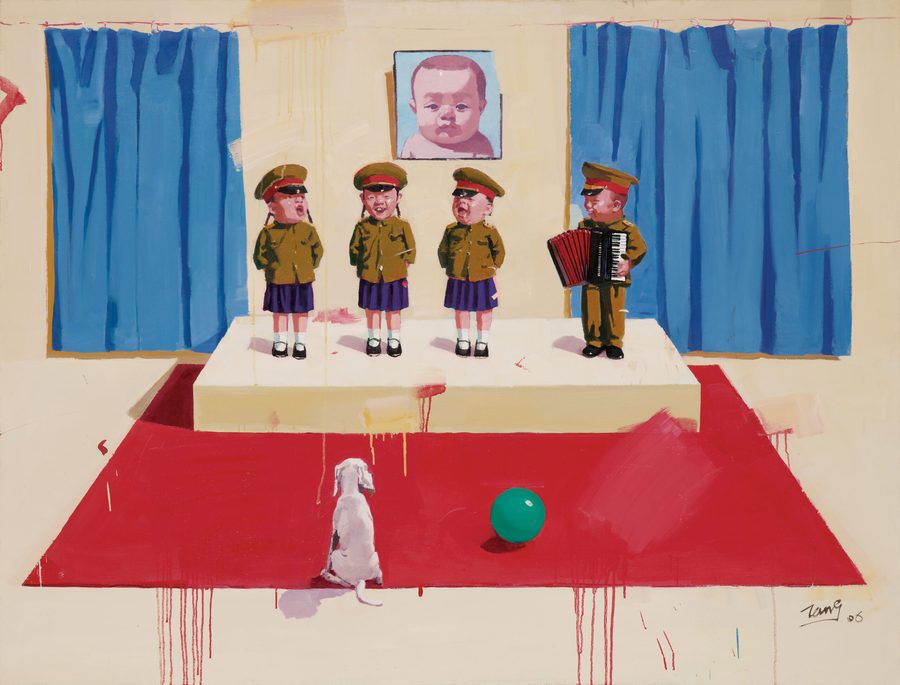
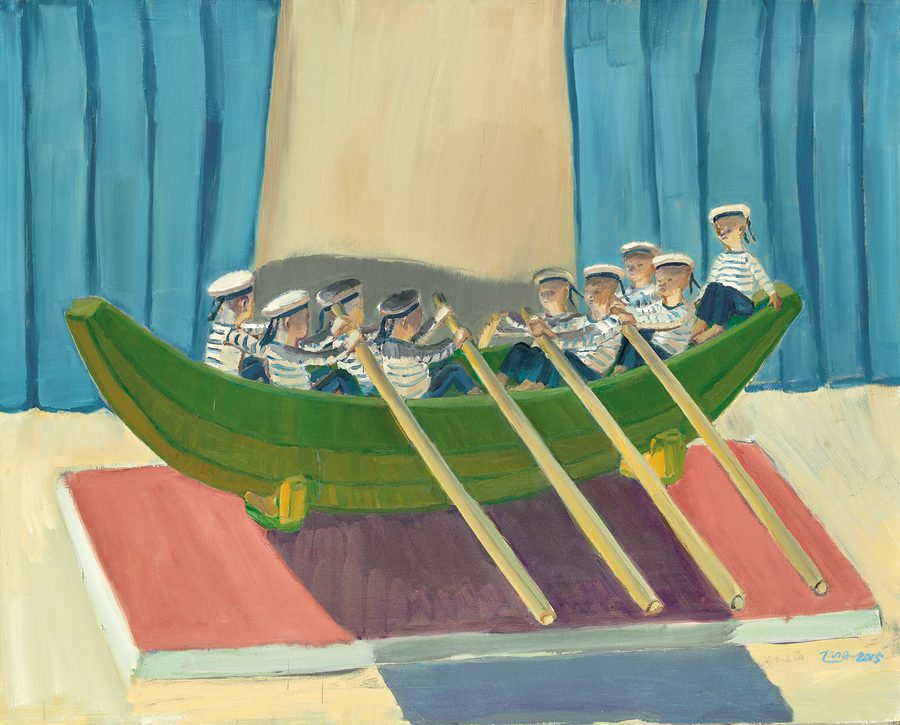
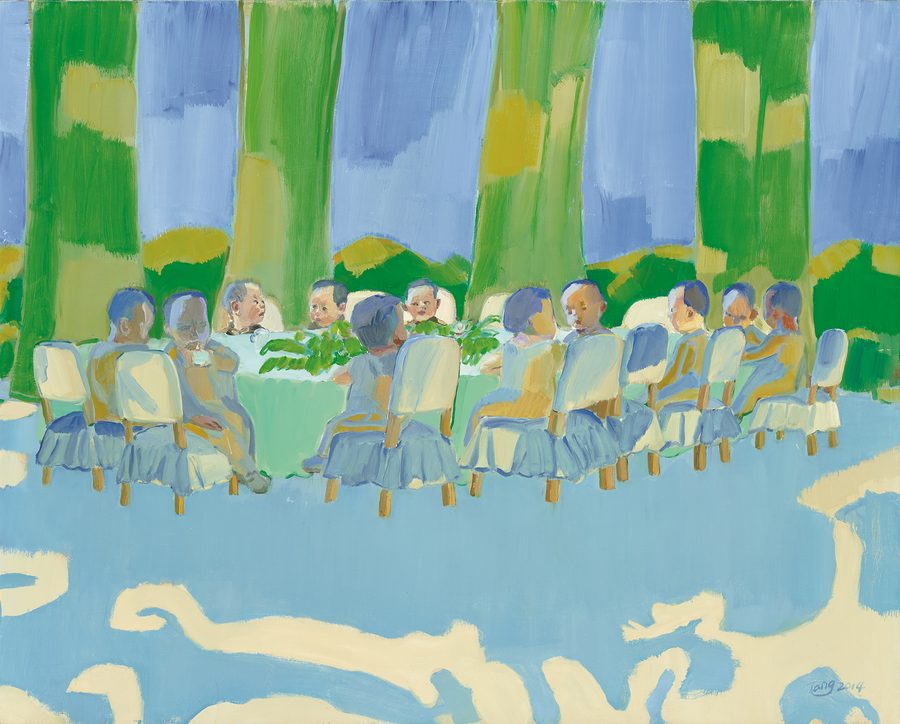
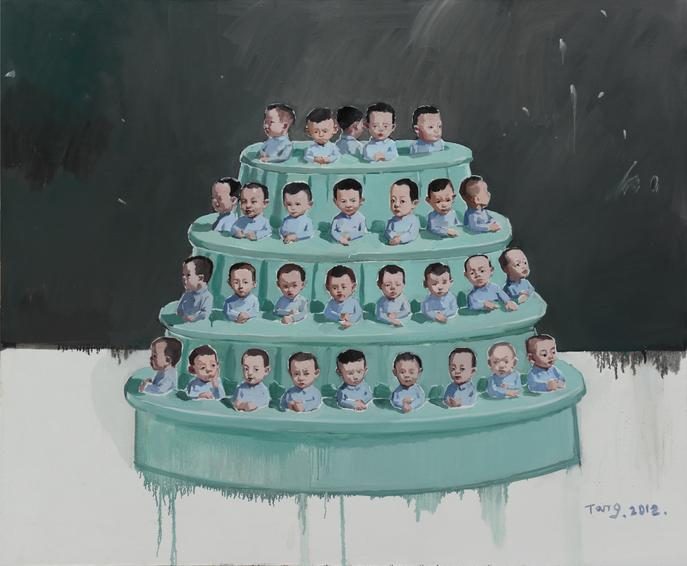
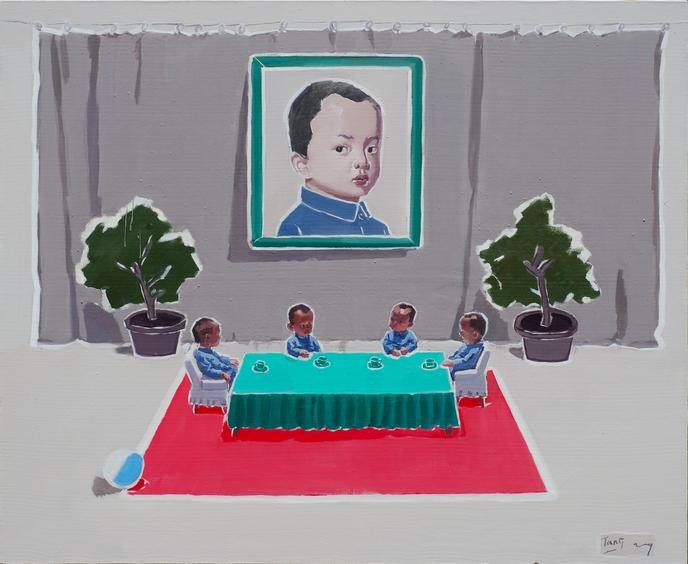
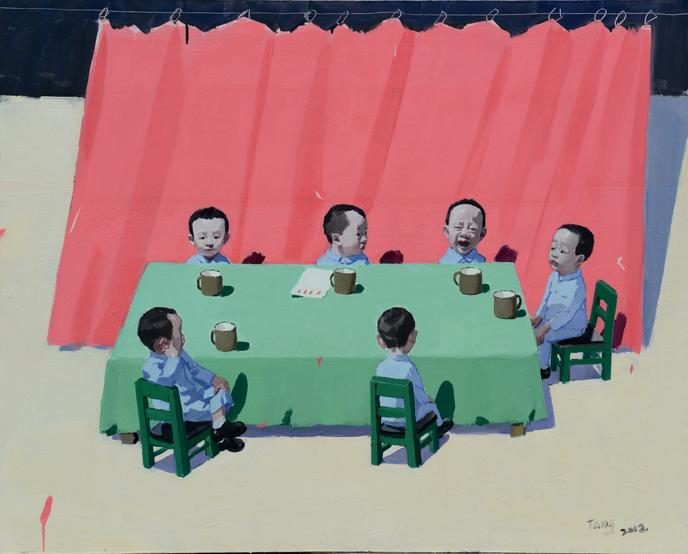
Children in uniform at meetings: a parody of bureaucratic ritual painted as a group portrait.
- "Children Meeting" (from the 1990s) — rows of children at tables, repeating the ritual of an adult meeting.
- A military family — a childhood spent among military bureaucracy, which became the source material for the series.
- Professor at Yunnan Arts University — teaching alongside painting.
7. Zhong Biao — 钟飙 (b. 1968, Chongqing)
Graduated from: Zhejiang Academy of Arts (now China Academy of Art), 1991
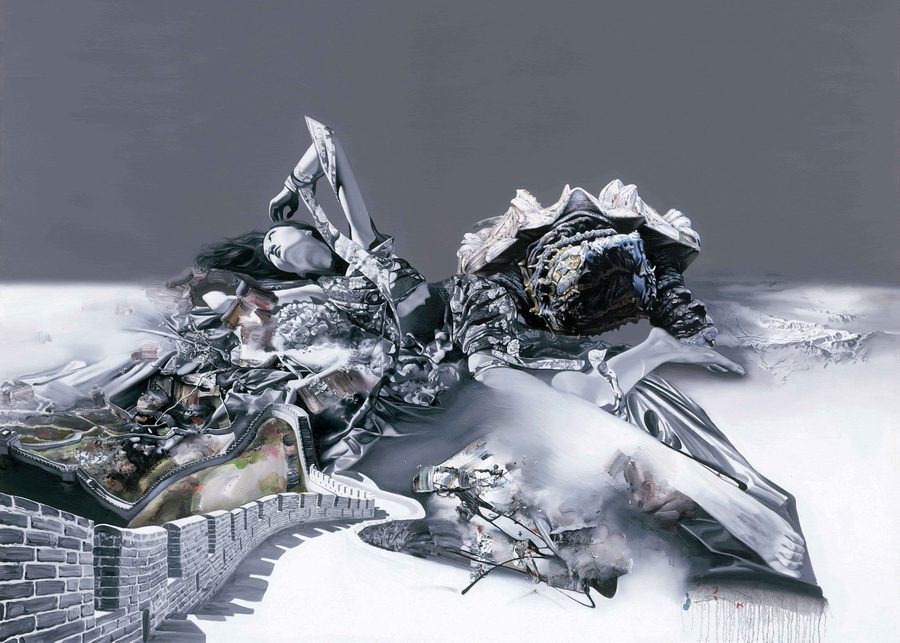
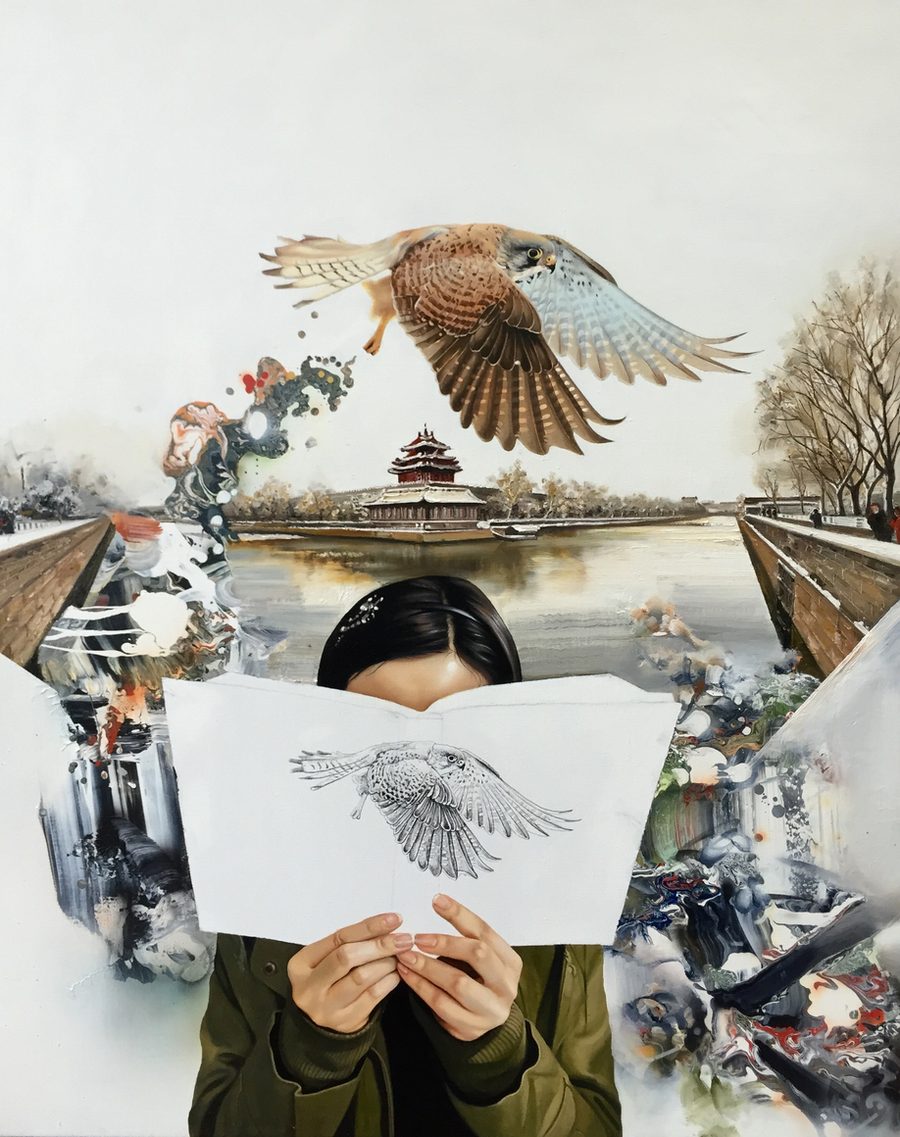
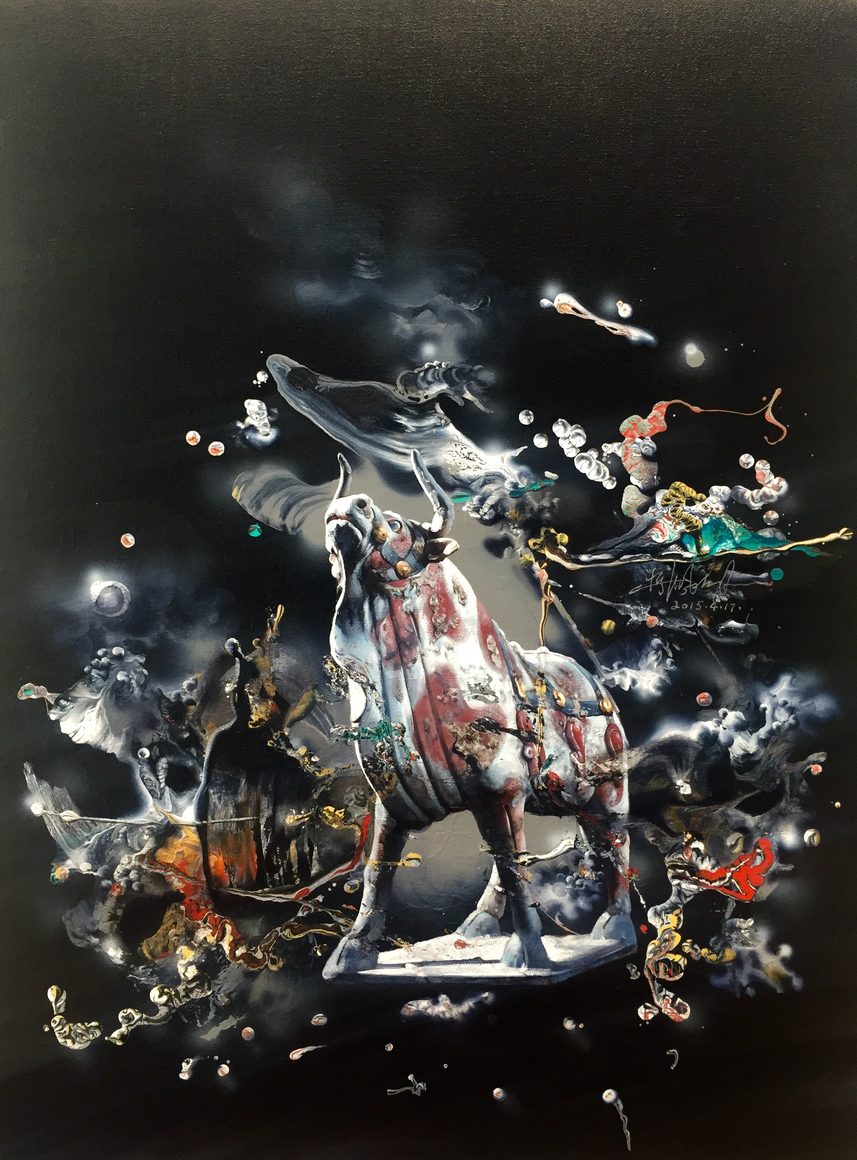
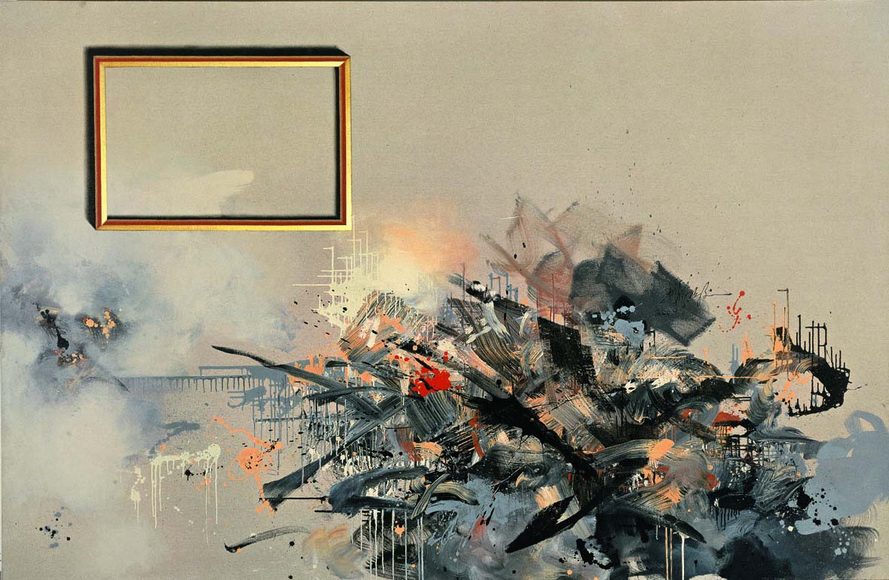
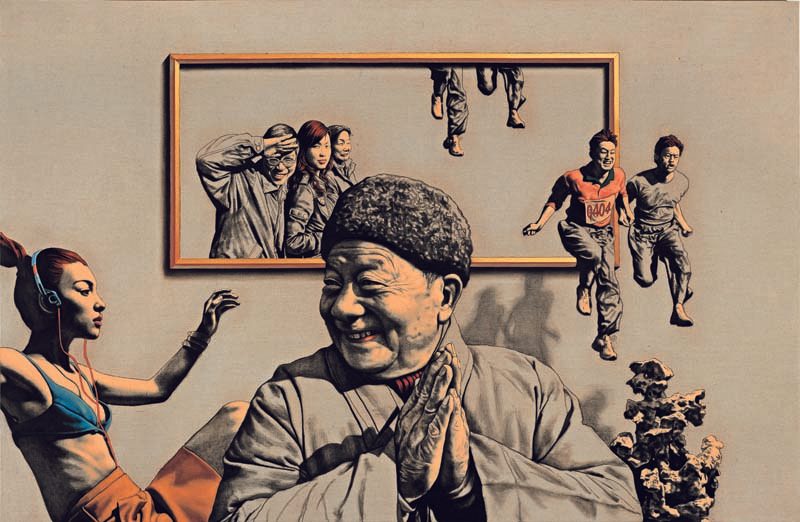
A neo-surrealism of the city: people, skyscrapers and sacred figures in a single space.
- Urban collage — multi-layered compositions in which the historical and the contemporary show through one another.
- The device of "universal connection" — the artist describes his task as revealing the invisible links between things and between times.
- Teaching at the Sichuan Fine Arts Institute — work with a younger generation of painters.
8. Shen Jingdong — 沈敬东 (b. 1965, Nanjing)
Graduated from: Nanjing Academy of Arts, 1991
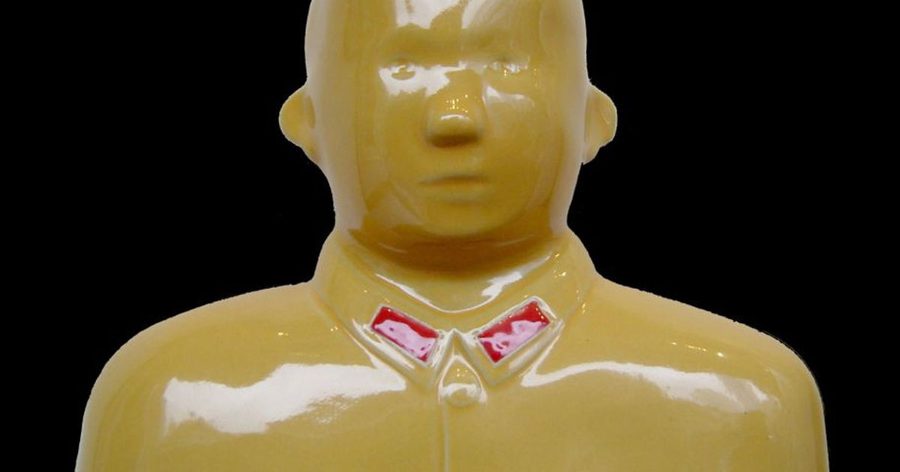
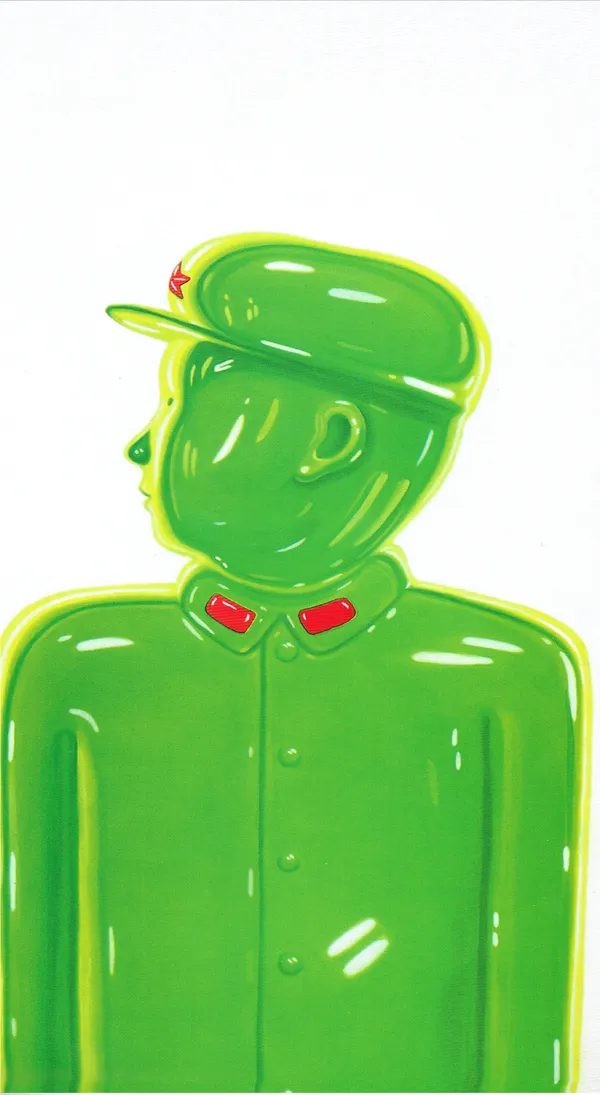
"Hero": soldiers and policemen as porcelain toys — irony without malice.
- The "Hero" series (英雄系列, from the 2000s) — uniformed figures with identical round faces: an icon reduced to a souvenir.
- Sculpture and painting — the same image carried on in three dimensions and in the painted figure.
- Service in the Nanjing military theatre — a view of the uniform from the inside rather than from outside.
9. Liu Wei — 刘炜 (b. 1965, Beijing)
Graduated from: Central Academy of Fine Arts, 1989
"Cynical realism": family portraits, dogs and landscapes painted with caustic freedom.
- "Revolutionary Family" (革命家庭, 1990s) — portraits of relatives in which official iconography turns into something domestic.
- Dogs and "Mood" — series in which animals are painted like people and people like patches of paint.
- "180 Faces" (180 portraits) — a late series of portraits: calligraphy, expressionism and portraiture in a single device.