survey_21 — Contemporary Art Galleries of Guangdong
1. Vitamin Creative Space — 维他命艺术空间 (Guangzhou, 2002)
The most influential gallery in South China: commercial in essence, research-driven in method.
- Pioneer of the south— it opened in an old tenement house in Guangzhou and for many years was the city's only internationally visible gallery.
- Method — long relationships with artists and curatorial projects instead of quick sales.
- Two venues — an urban space and the Mirror Garden in the countryside.
No images: photography of the premises is not published in open sources. Sources: vitamincreativespace.com · Art Basel on the region
2. Mirror Garden — 镜花园 (Guangzhou, 2015)
The rural extension of Vitamin Creative Space: a gallery-garden designed by the Japanese architect Sou Fujimoto.
- Fujimoto’s architecture — a set of light pavilions among the vegetation, with no single museum volume.
- Slow viewing — works are shown among trees and water, and the walk sets the pace of looking.
- Link to the city — the garden serves as an out-of-town venue for the main gallery.
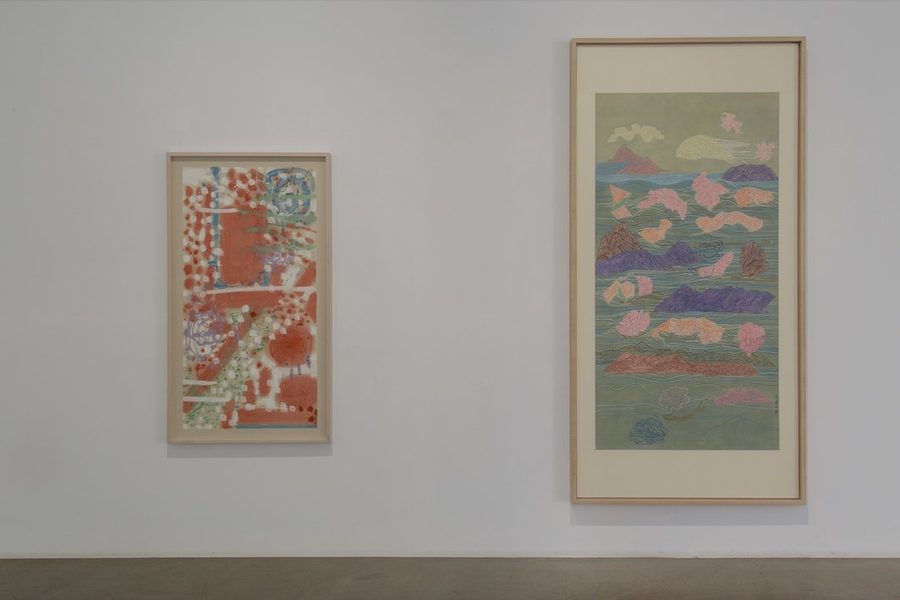
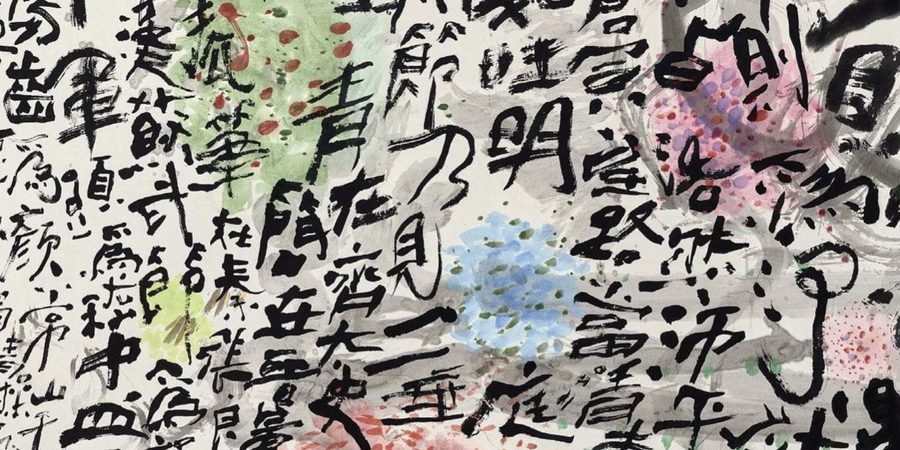
3. 33 Contemporary Art Center — 33当代艺术中心 (Guangzhou, 2014)
A private non-profit venue on the thirty-third floor of an office tower: art above the city.
- A gallery on a floor — an exhibition hall in a skyscraper, with panoramic windows and a view of central Guangzhou.
- Non-commercial status — the stated aim is not sales but the display and study of contemporary art.
- Public programme — lectures, screenings and concerts alongside the exhibitions.
No images: photography of the premises is not published in open sources. Sources: 33当代艺术中心 · Guangzhou art guides
4. Canton Gallery — 广州画廊 (Guangzhou, 2015)
An intimate gallery working with the young Guangdong generation and the local scene.
- Young artists — a commitment to artists who have not yet shown in large museums.
- Intimate format — small rooms in a residential district, with exhibitions changing often.
- Local context — a conversation about everyday life in a South Chinese city.
No images: photography of the premises is not published in open sources. Sources: Guangzhou art guides · press
5. Fei Arts Museum — 扉美术馆 (Guangzhou, 2007)
A house of culture rather than a gallery: art is built into the everyday life of the neighbourhood.
- Social turn — projects are made together with the residents of the district, not only for a viewer.
- Unpresentable settings — exhibitions in stairwells, streets and courtyards instead of white cube rooms.
- Long programmes — multi-year work with a single neighbourhood and its community.
No images: photography of the premises is not published in open sources. Sources: press on Guangzhou institutions · Guangzhou art guides
6. W.ONE SPACE — 万一空间 (Shenzhen, 2019)
A young Shenzhen gallery: art in a city whose cultural milieu is younger than its residents.
- A new city — it works in a setting where collector and audience take shape at the same time as the gallery.
- Programme — solo exhibitions by young artists and a conversation about the tech city.
- Format — small rooms and a focus on dialogue with architects and designers.
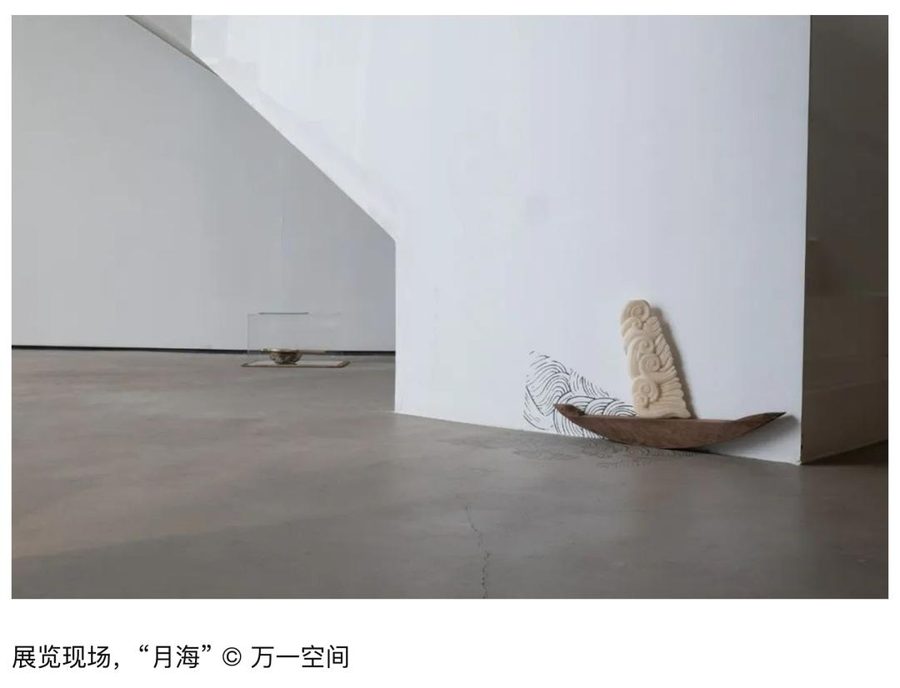
7. Barn Contemporary Art Space — 谷仓当代艺术空间 (Shenzhen, 2010s)
An alternative space in an industrial district: artists put on exhibitions without a commercial gallery front.
- Industrial address — former factory buildings where exhibition halls sit next to studios.
- Horizontal structure — projects are initiated by artists and curators rather than by an institutional programme.
- Experimentation — sound, video and installation that rarely reach commercial galleries.
No images: photography of the premises is not published in open sources. Sources: press on the Shenzhen scene
8. Artron Art Center — 雅昌艺术中心 (Shenzhen, 2014)
A centre for art printing and archiving: a printworks, a museum of the book and exhibition halls under one roof.
- Printing house — a company that has printed catalogues for Chinese museums and auction houses for decades.
- Book museum — a collection of art publications and rare catalogues.
- Archive — a database on Chinese art and auction sales.
No images: photography of the premises is not published in open sources. Sources: artron.net · press
9. Houshan Contemporary Art Center — 后山当代艺术中心 (Guangzhou, 2020s)
A small centre in an old quarter: exhibitions by young artists and a conversation about the city.
- Urban fabric — the venue is set into the old built-up area of Guangzhou.
- Young programme — solo projects by artists working with video and objects.
- Neighbourhood — part of Guangzhou’s network of independent spaces.
No images: photography of the premises is not published in open sources. Sources: Guangzhou art guides
10. XY Gallery — 学有缉熙 (Guangzhou, 2010s)
A gallery-workshop: it shows work made next door, in the same quarter.
- Close to production — the exhibition space sits alongside artists’ studios.
- Intimacy — small solo presentations without museum rhetoric.
- Local scene — a venue for mid-generation Guangdong artists.
No images: photography of the campus is not published in open sources. Sources: Guangzhou art guides
← cybermodern() * Illustrations belong to their rights holders and are published for informational purposes. For copyright questions or comments on the text copyright@ctrlm.com