survey_26 — Auteur and Avant-garde Cinema in China
1. Jia Zhangke — 贾樟柯 (Fenyang, Shanxi, 1970)
The central figure of the “sixth generation”: a small town, the provinces and time, filmed in long takes without sentimentality.
- Path — born in 1970 in Fenyang (Shanxi); entered the literature faculty of the Beijing Film Academy in 1993; has worked in cinema since 1995.
- “Hometown” — “Xiao Wu” (1997), “Platform” (2000) and “Unknown Pleasures” (2002) formed a trilogy about his native county; the debut was noted by Cahiers du cinéma.
- Later — “The World” (2004), “Still Life” (2006), “A Touch of Sin” (2013), “Mountains May Depart” (2015), “Ash Is Purest White” (2018).
Sources: press on “Xiao Wu” · a biography in “Platform”
2. Lou Ye — 娄烨 (Shanghai, 1965)
An independent director whose camera is always moving: desire, the city and prohibition as the conditions of filming.
- Path — born on 15 March 1965 in Shanghai, with roots in Beijing; graduated from the directing faculty of the Beijing Film Academy in 1989.
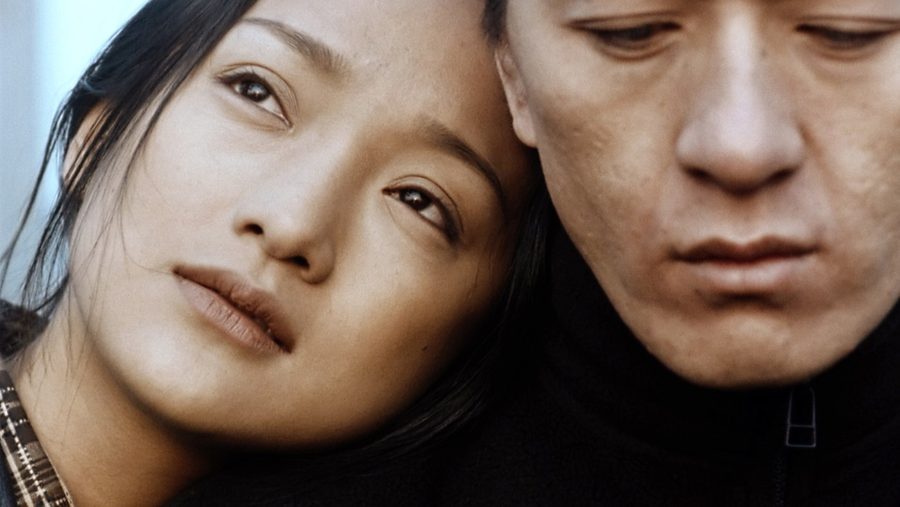
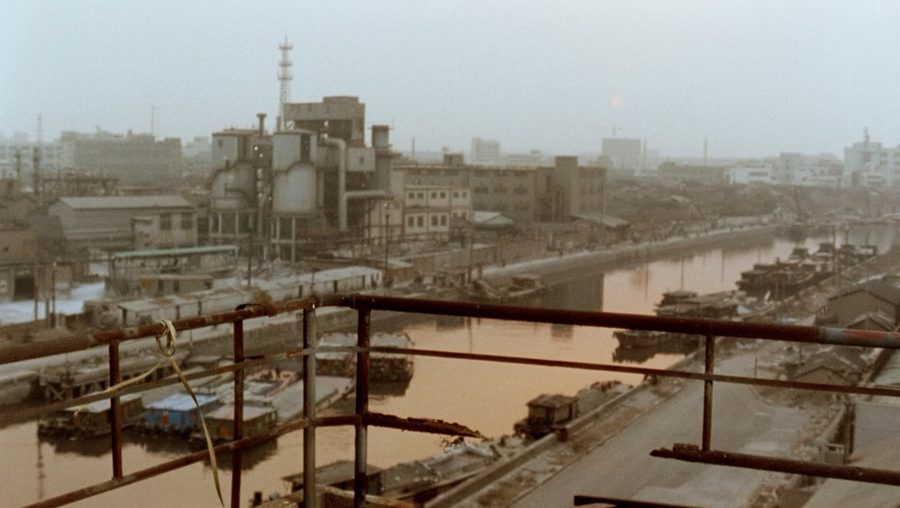
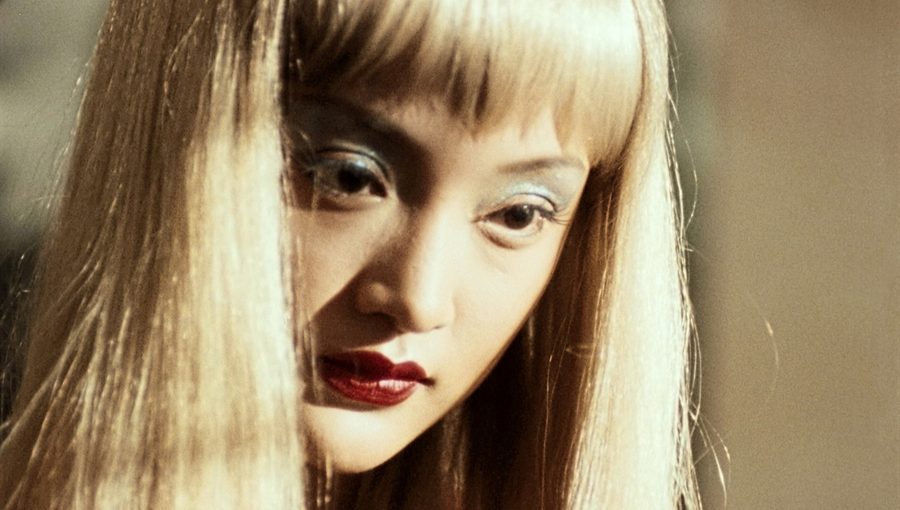
- “Suzhou” — “Suzhou River” (2000) won the Golden Tiger in Rotterdam, but for screening abroad without permission it was banned from release in China.
- Works — “Purple Butterfly” (2003), “Summer Palace” (2006), “Spring Fever” (2009), “Blind Massage” (2014), “Saturday” — from a novel by Bi Feiyu.
3. Wang Xiaoshuai — 王小帅 (Shanghai, 1966)
A chronicler of a generation: family, relocations and the memory of state ruptures.
- Path — born in 1966 in Shanghai.
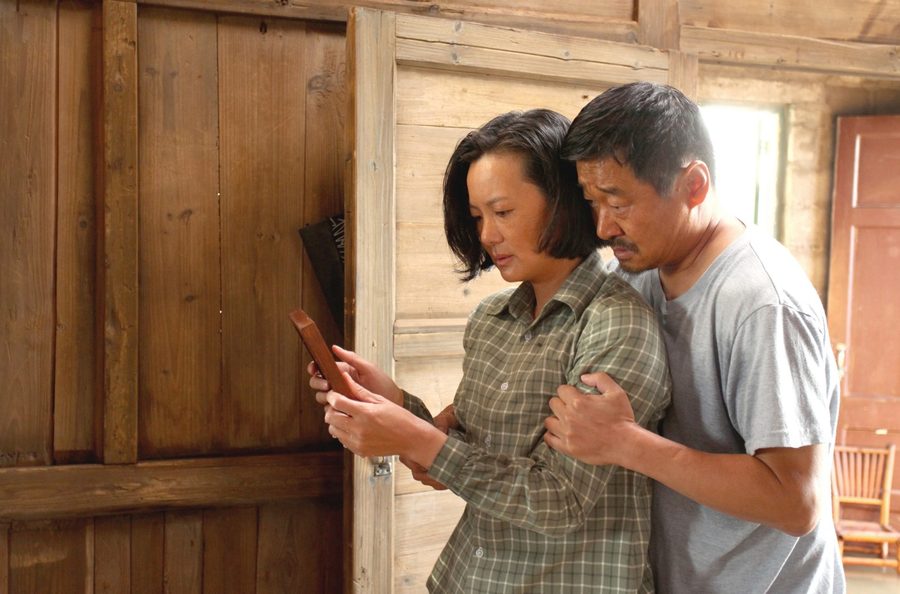
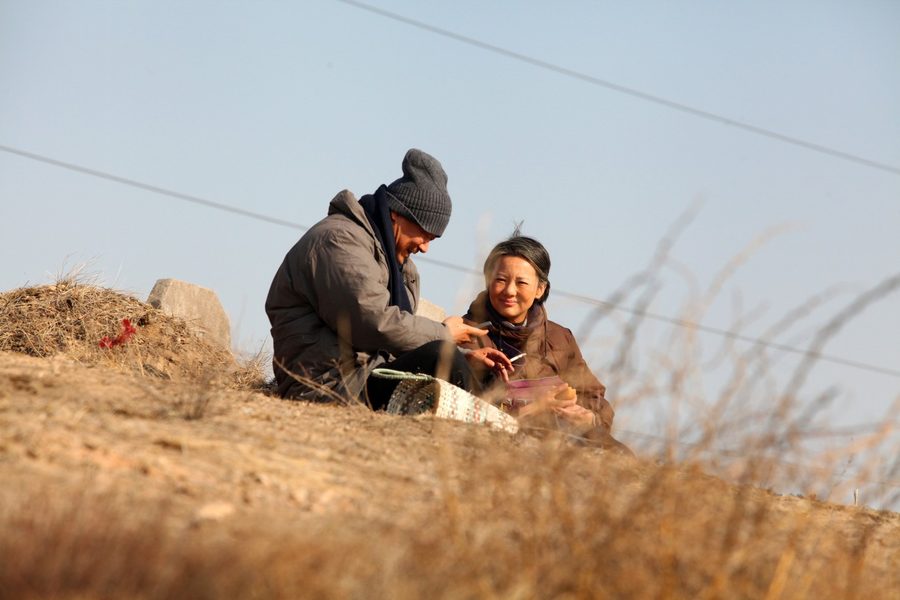
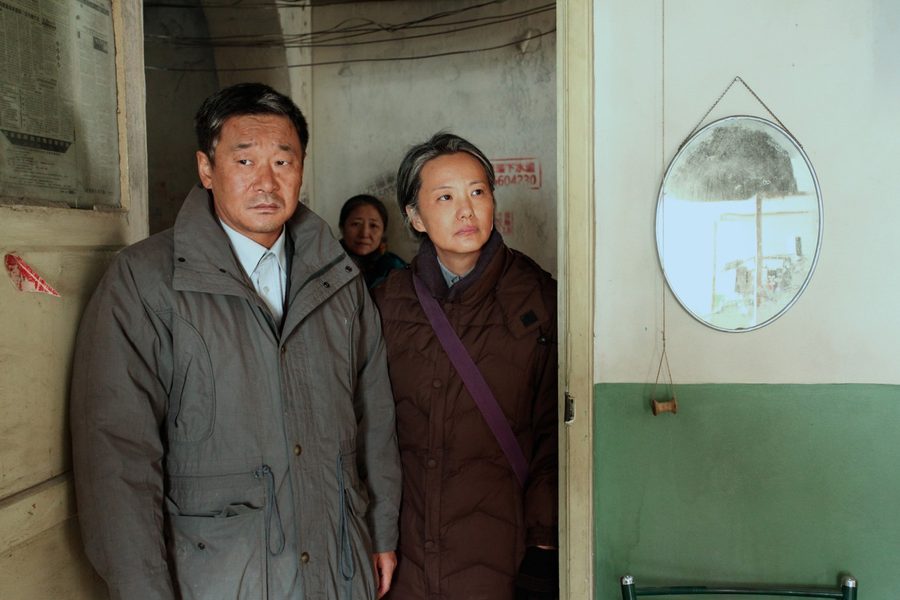
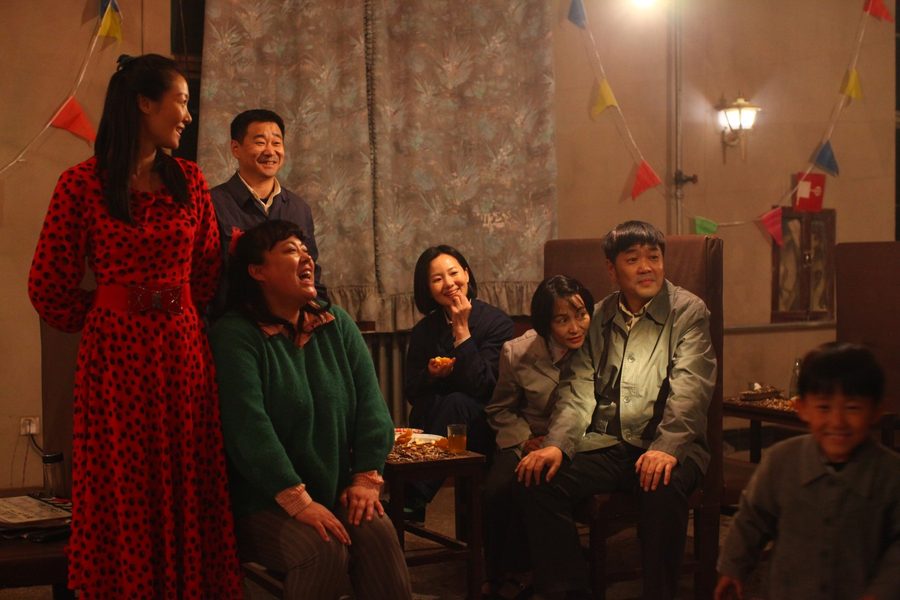
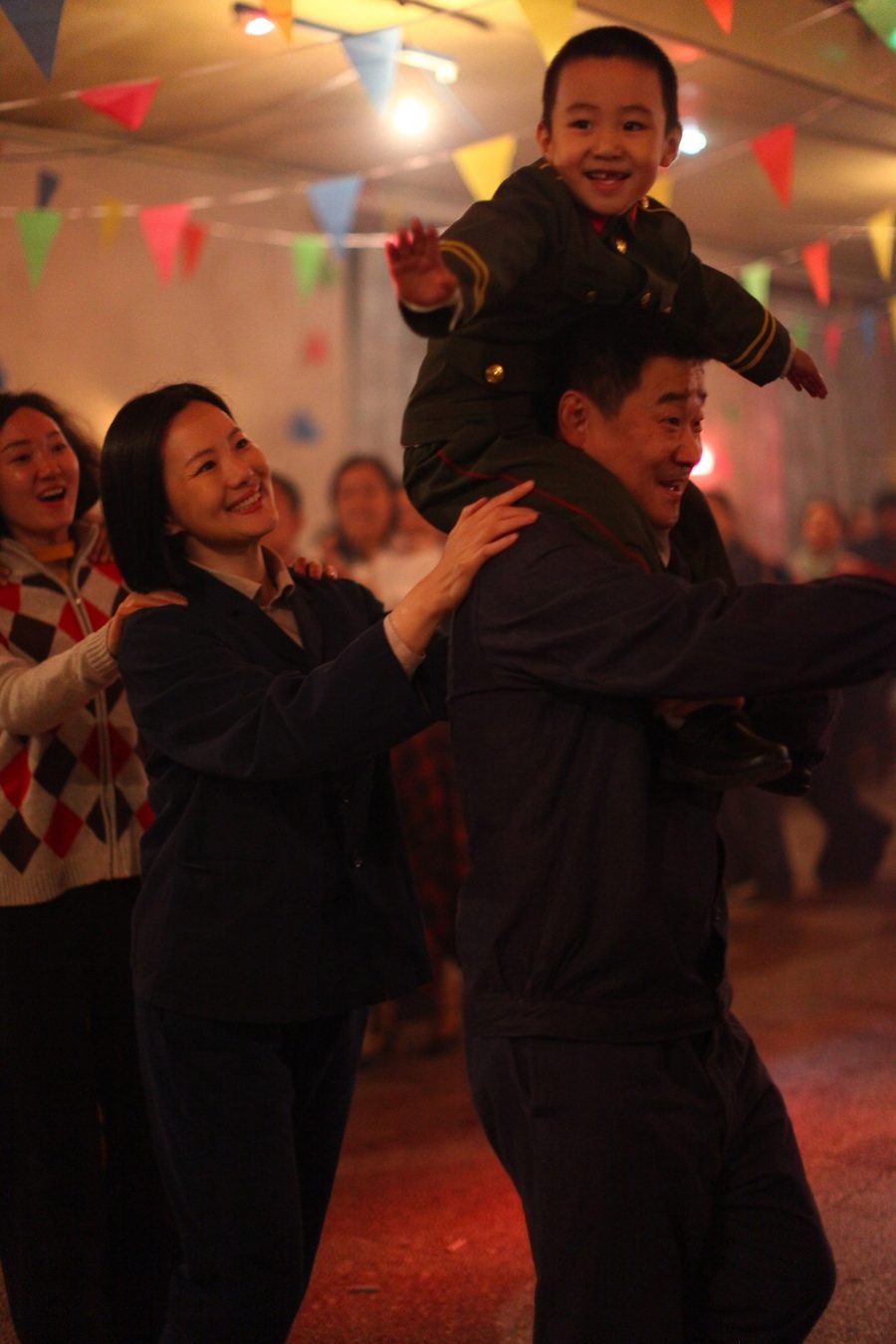
- Works — “The Days” (1993), “Beijing Bicycle” (2001), “Shanghai Dreams” (2005), “So Long, My Son” (2019).
- “So Long, My Son” — at the 2019 Berlin Film Festival the film won the awards for best actor and best actress.
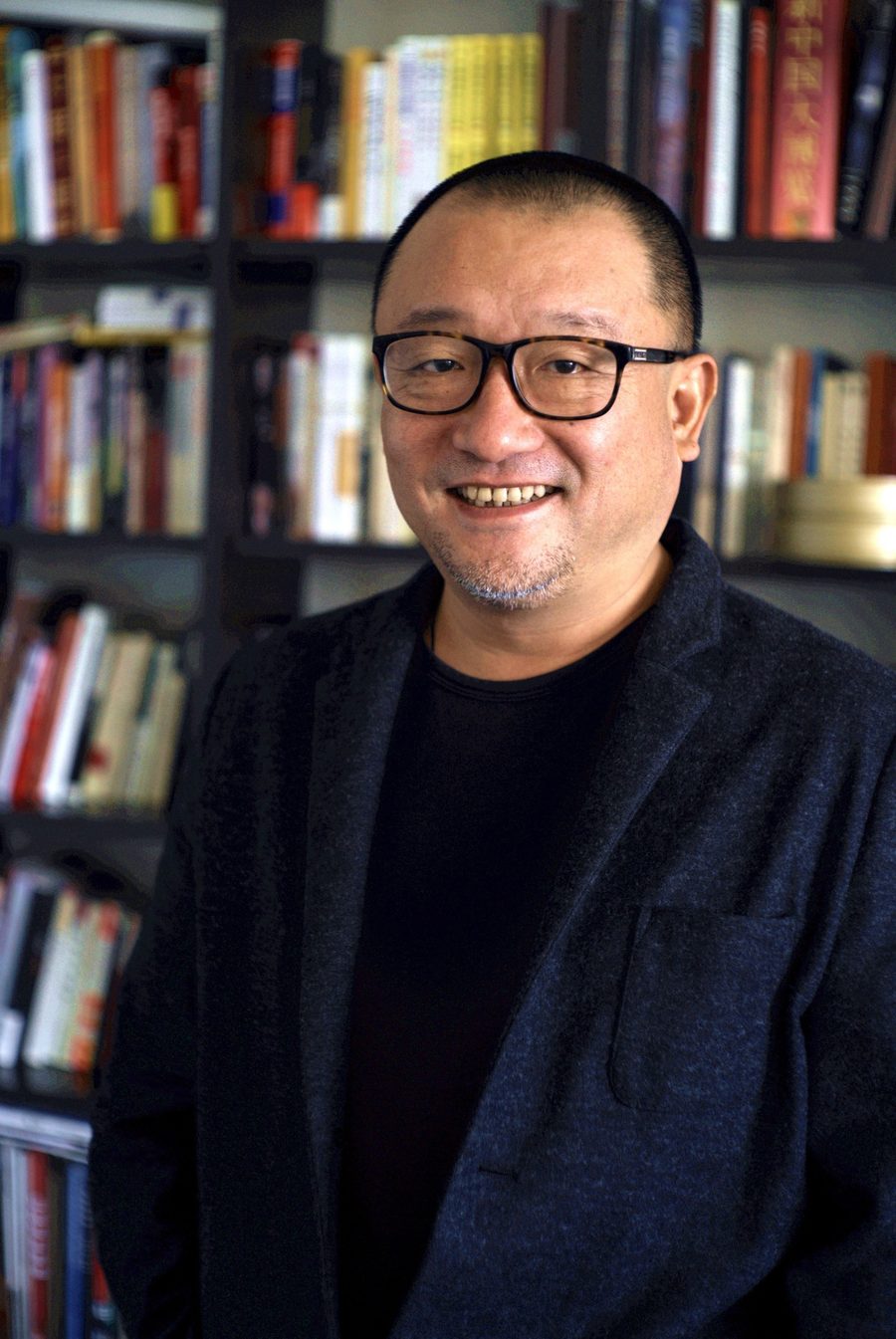
4. Zhang Yuan — 张元 (Nanjing, 1963)
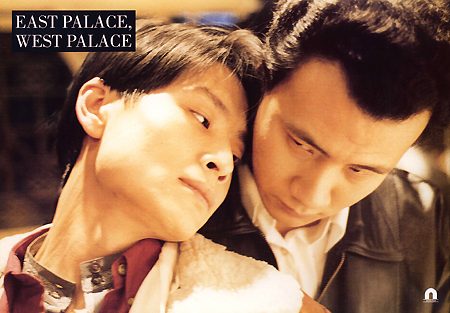
The first of the “sixth generation” to make independent cinema in Beijing and to bring rock and a gay subject to the screen.
- Path — born in 1963 in Jiangsu province (Nanjing).
- Works — “Mama” (1992), “Beijing Bastards” (1993), “The Backyard” (1996), “Seventeen Years” (1999), “Little Red Flowers” (2006), “Sons” — a documentary.
5. Diao Yinan — 刁亦男 (Xi'an, 1968)
Noir on the Chinese outskirts: genre as a way of speaking about the body, guilt and the city.
- Path — born on 6 December 1968 in Xi'an; graduated from the dramaturgy faculty of the Central Academy of Drama in 1991.
- Debut — “Uniform” (2003) won the Dragons and Tigers award in Vancouver and a Netpac special mention in Rotterdam.
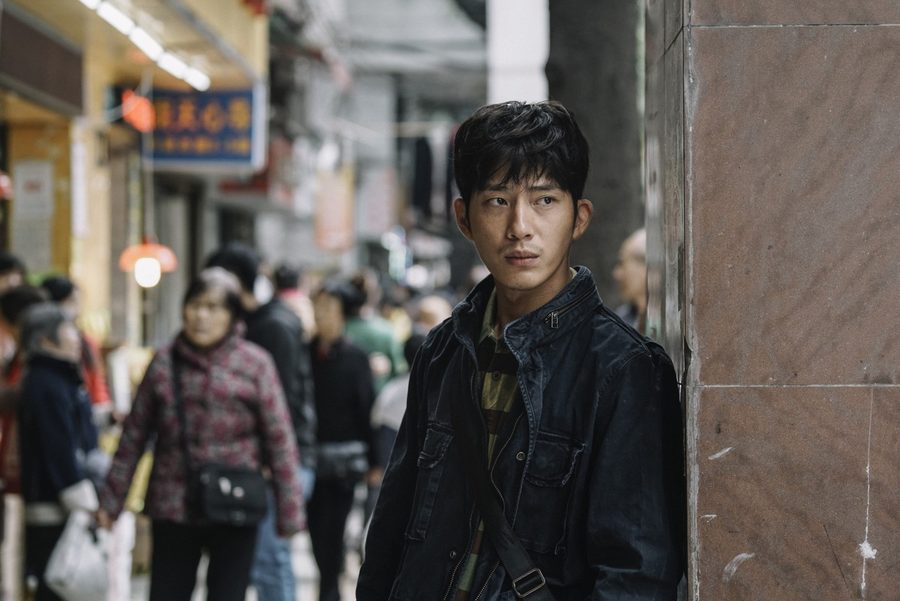
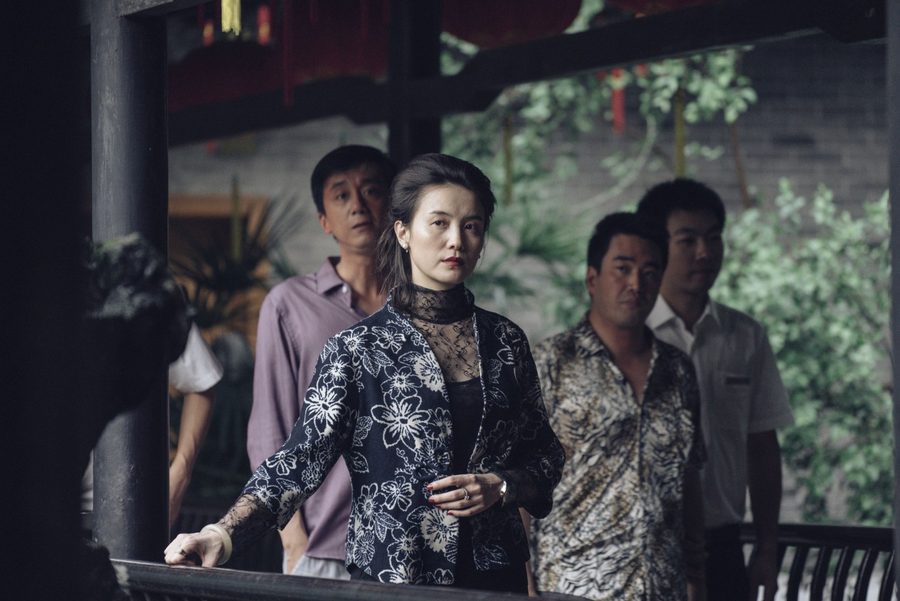
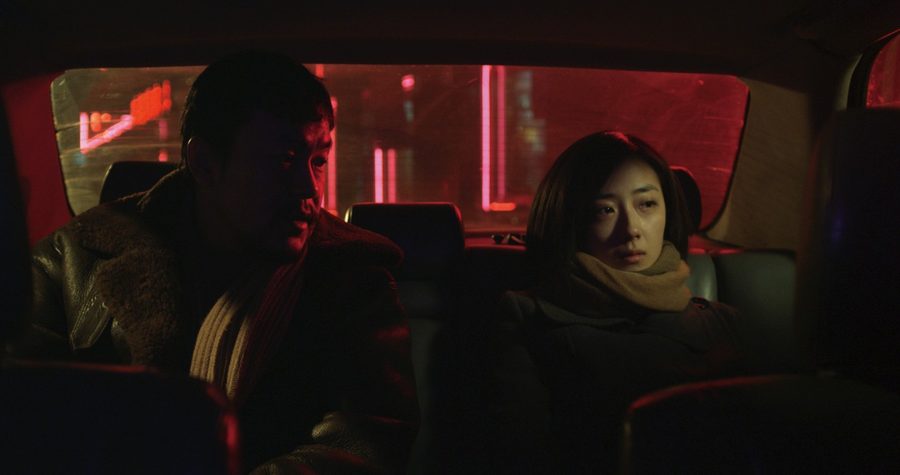
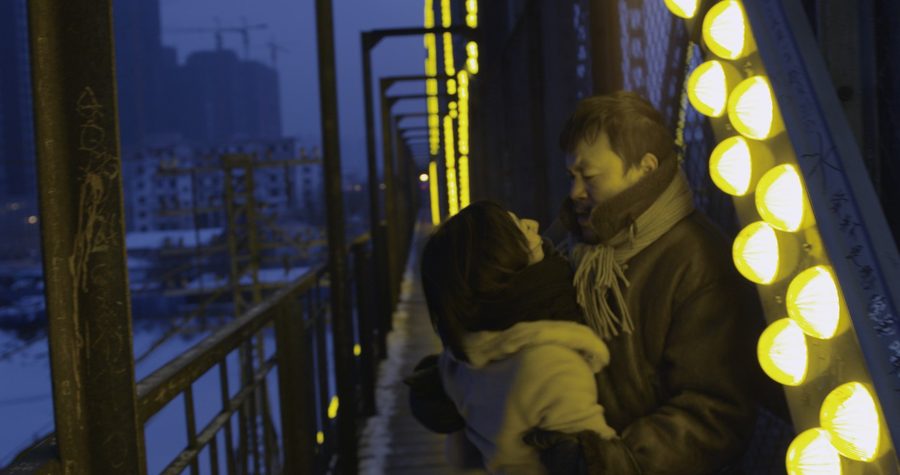
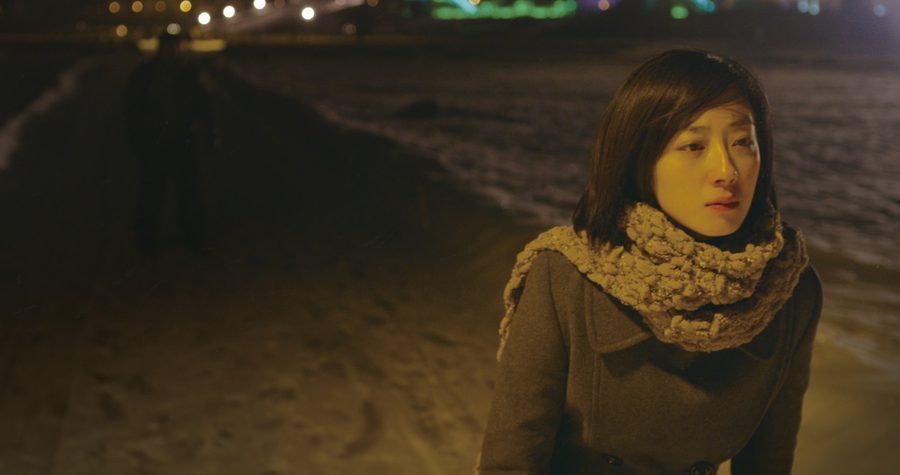
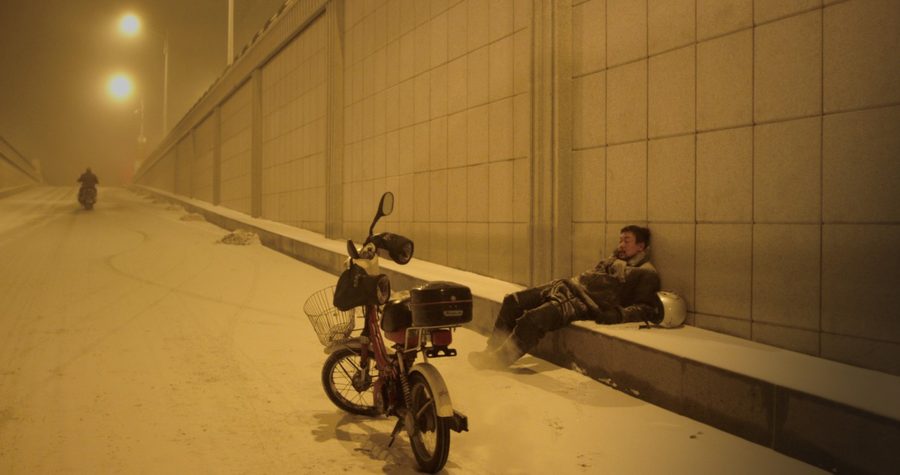
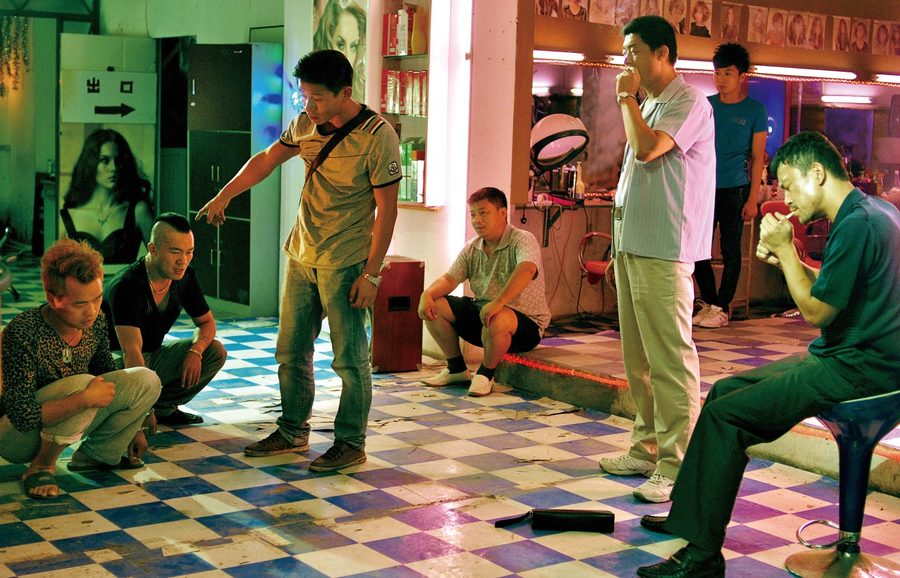
- “Black Coal, Thin Ice” — in 2014 the film took the Golden Bear in Berlin, and Liao Fan the Silver Bear for best actor. Later — “The Wild Goose Lake” (2019).
6. Bi Gan — 毕赣 (Kaili, Guizhou, 1989)
A poet of the long take: dream, memory and time, rearranged.
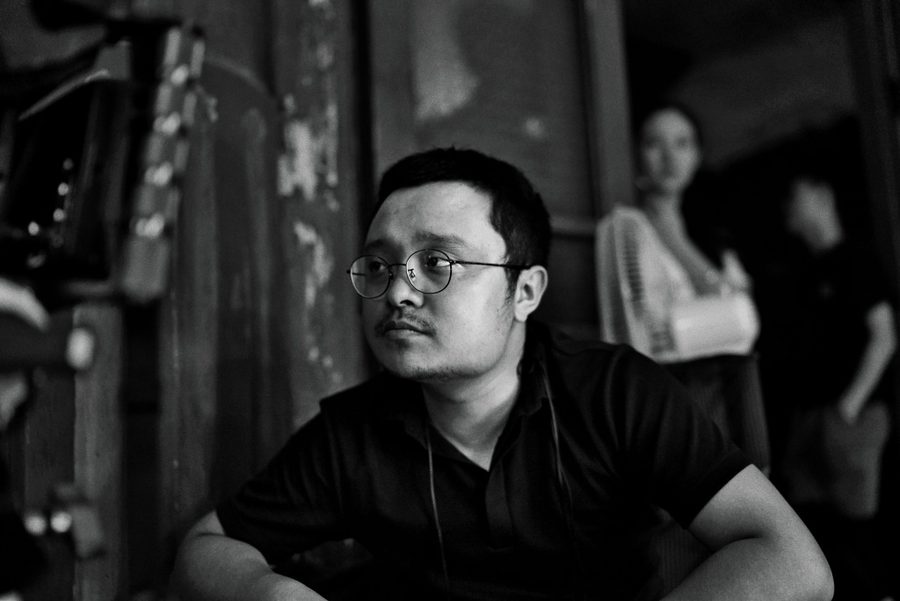
- Path — born in June 1989 in Kaili (Guizhou); graduated from the Shanxi Media Institute.
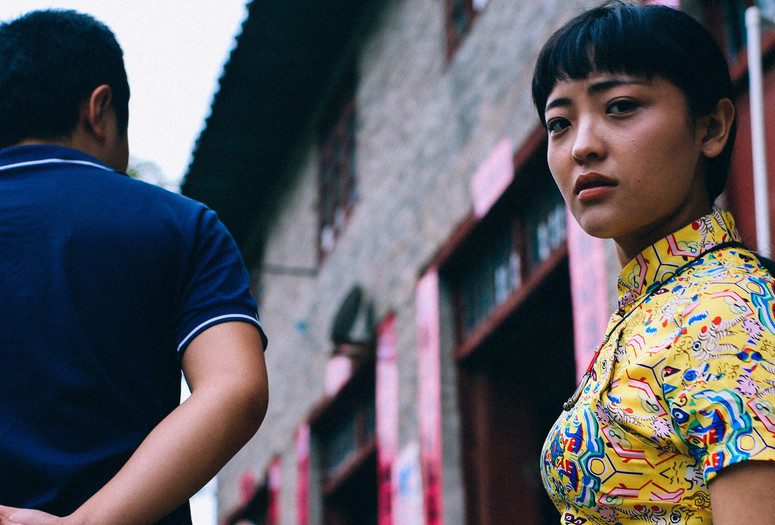
- “Kaili Blues” — his 2015 debut: best new director in the Contemporary Cinema section at Locarno and best debut at the Golden Horse.
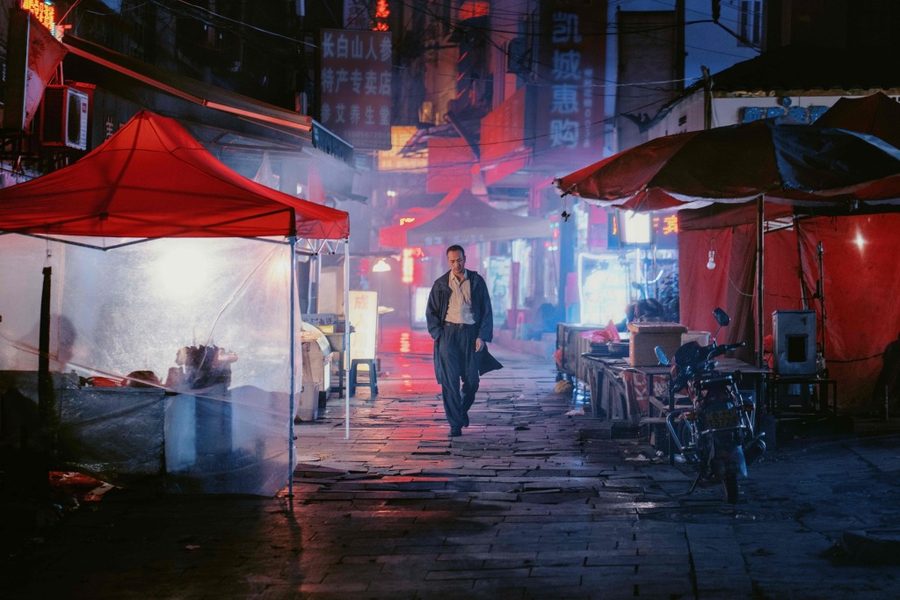
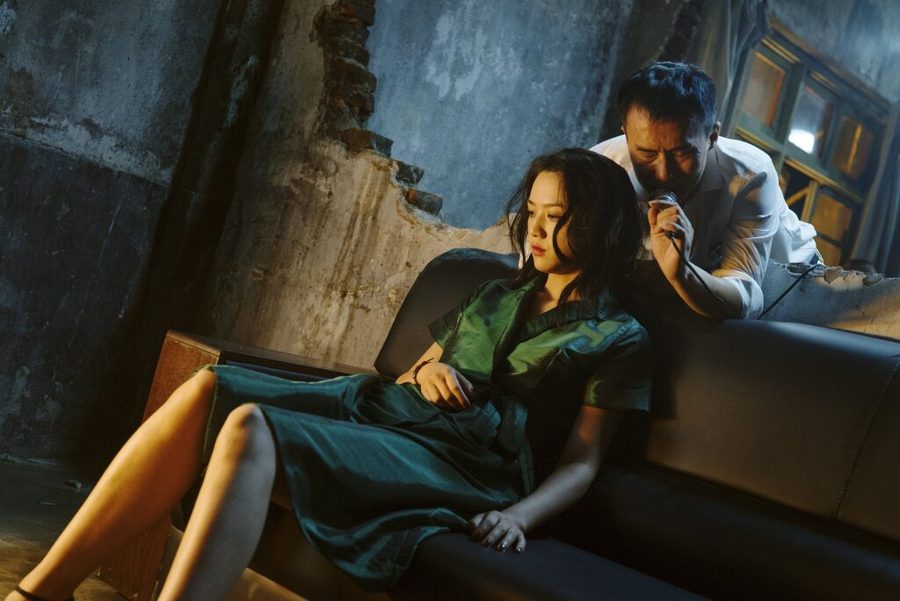
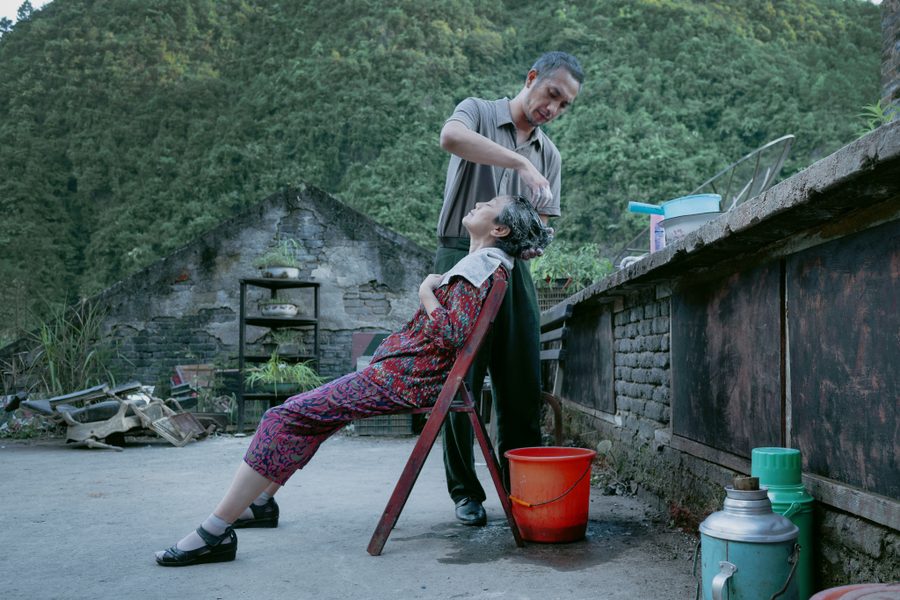
- “Long Day's Journey into Night” — a second film (2018) with a 59-minute 3D take; again shot in Kaili.
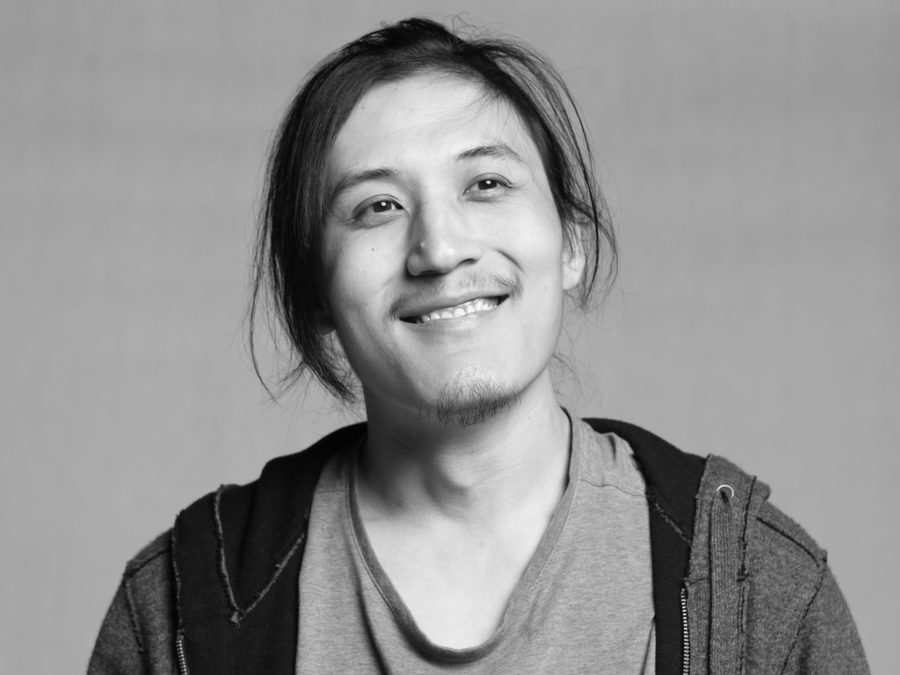
7. Hu Bo — 胡波 (1988–2017)
A writer and director who managed to make a single film that changed the scale of Chinese auteur cinema.
- Path — 1988–2017, a writer, director and screenwriter.
- Prose — the short-story collection “A Big Crack” (2017), out of which the film grew.
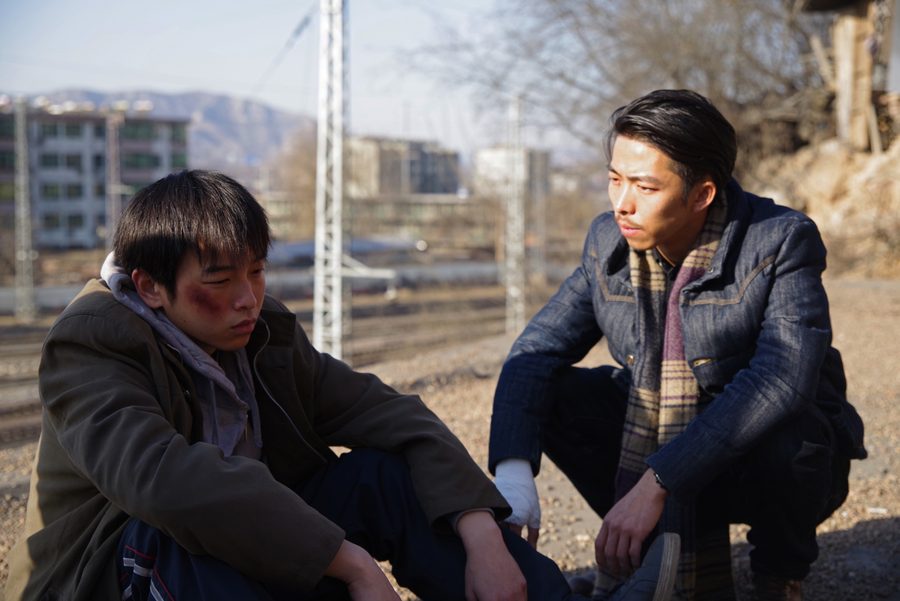
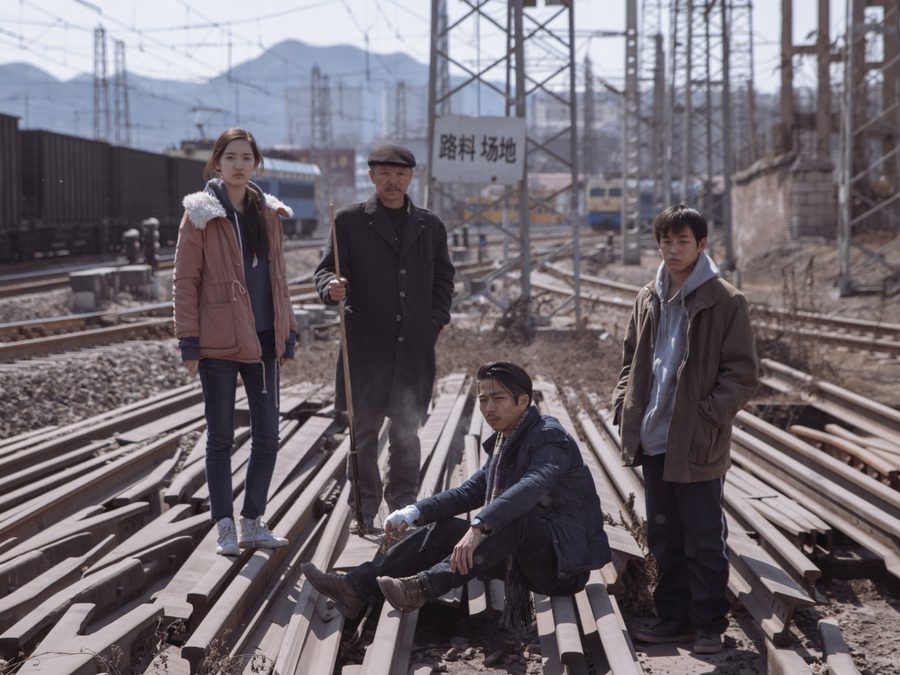
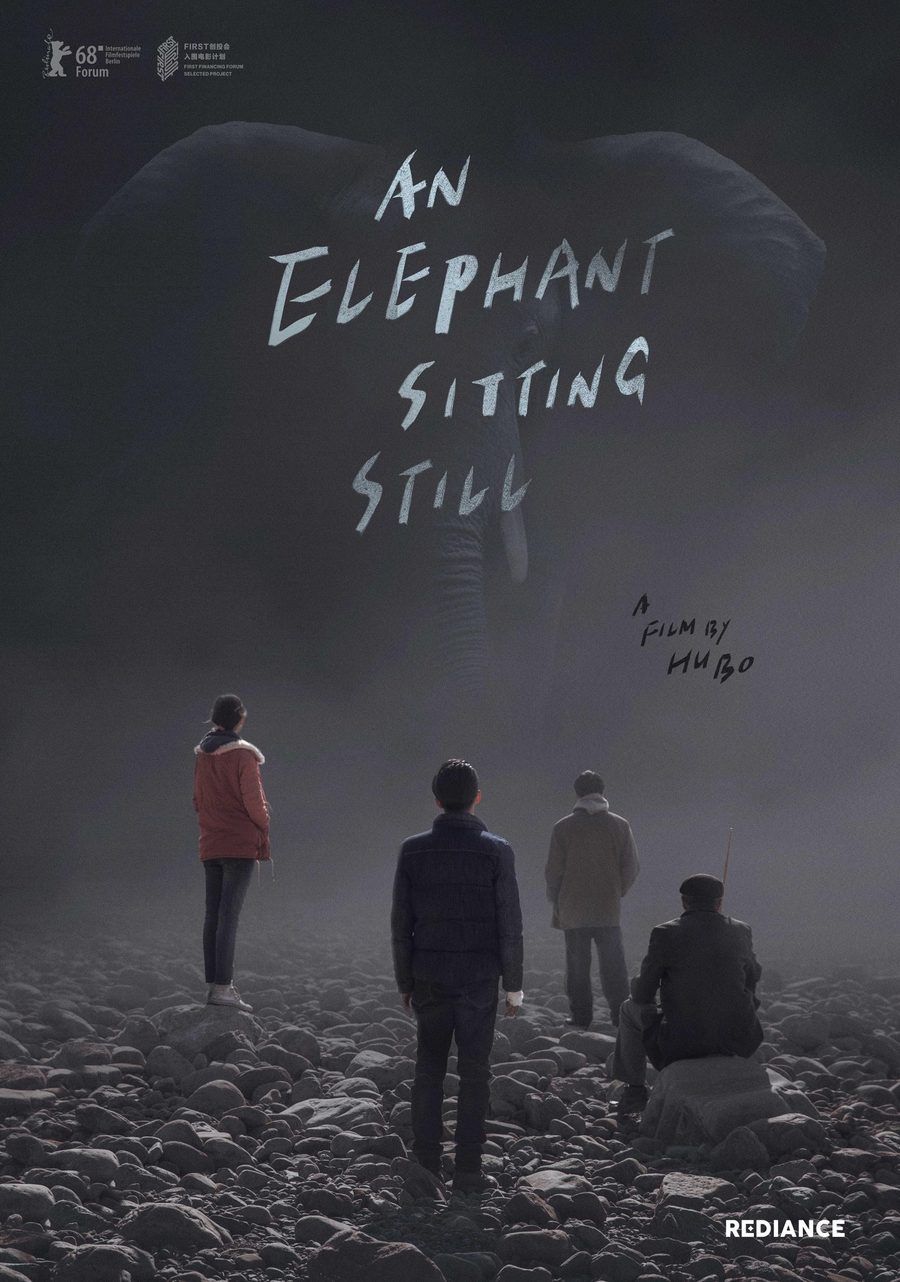
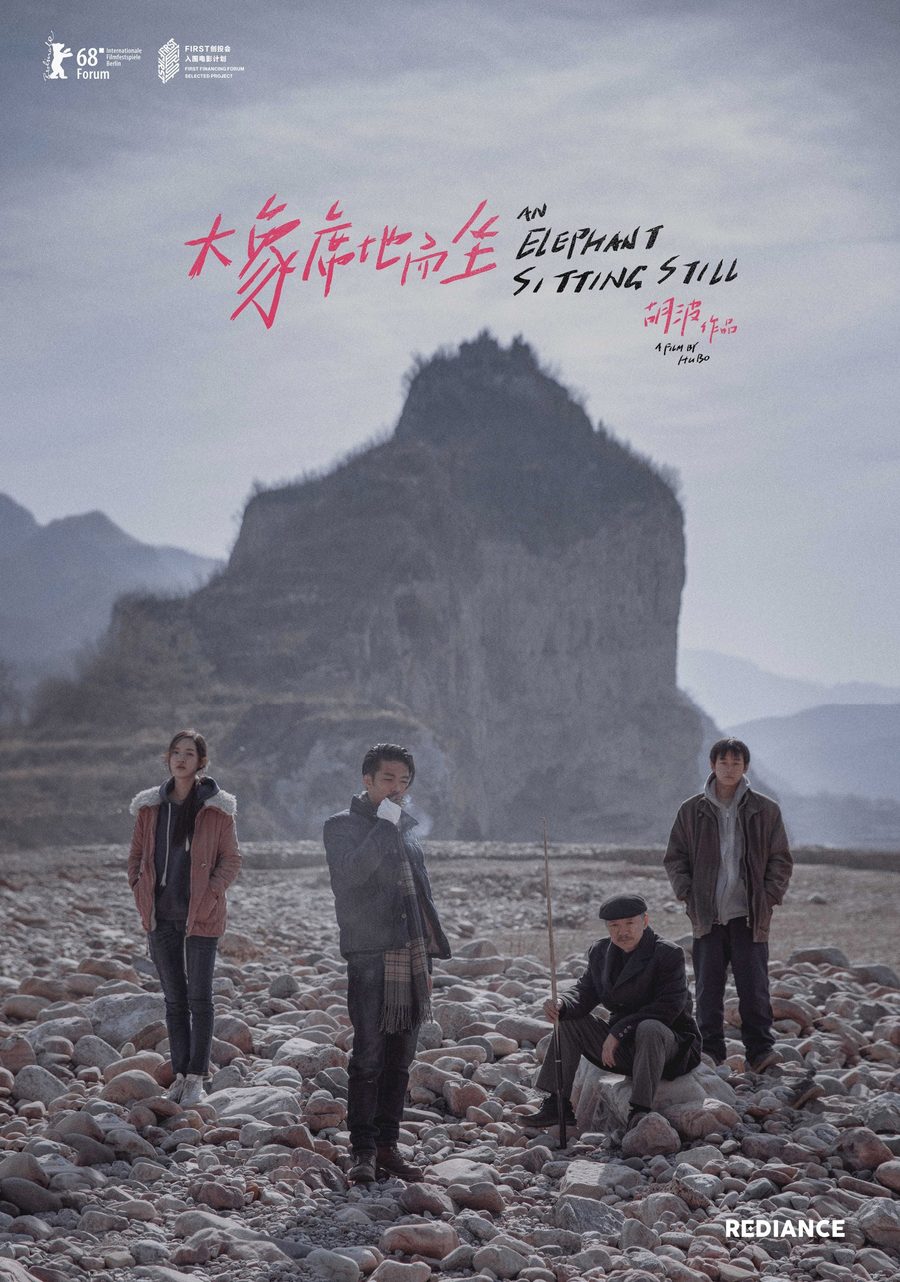
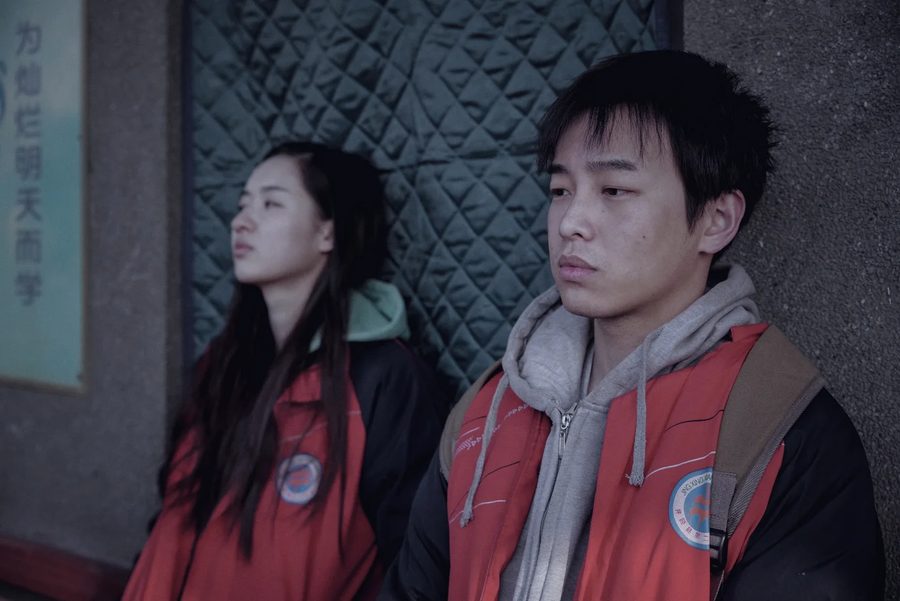
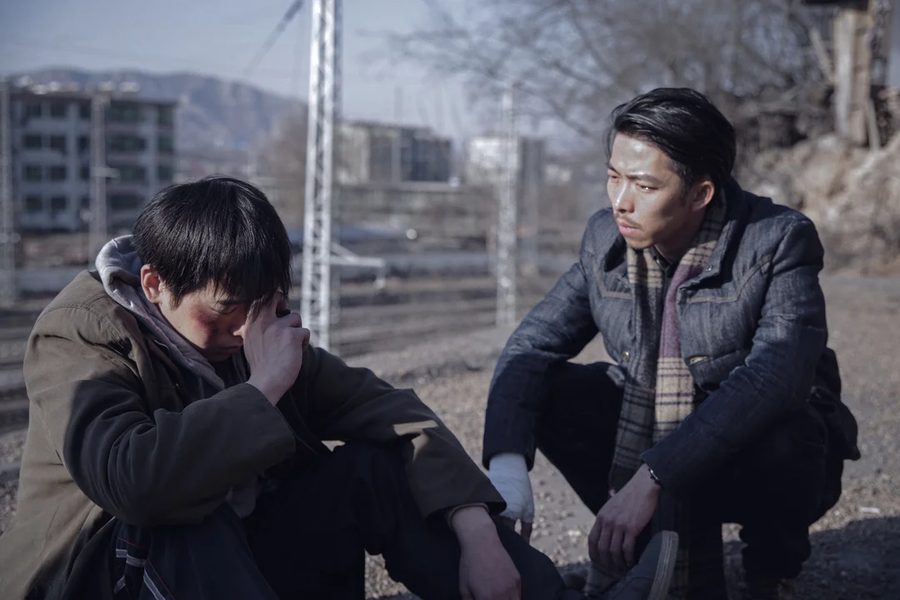
- “An Elephant Sitting Still” — his only completed film: one day in a northern town, four storylines, a movement towards a zoo in Manchuria.
8. Li Ruijun — 李睿珺 (Gaotai, Gansu, 1983)
Land, old people and water: slow cinema about the countryside that refuses to embellish it.
- Path — born on 16 March 1983 in Gaotai county (Zhangye, Gansu); graduated from the Shanxi Media Institute in 2003.
- Works — “The Old Donkey” (2010), “Fly with the Crane” (2012), “River Road” (2014).
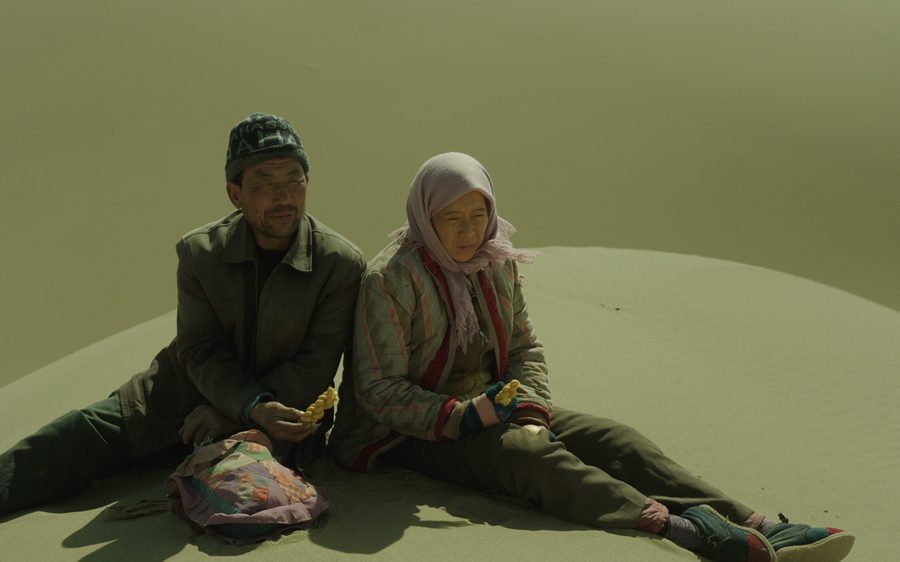
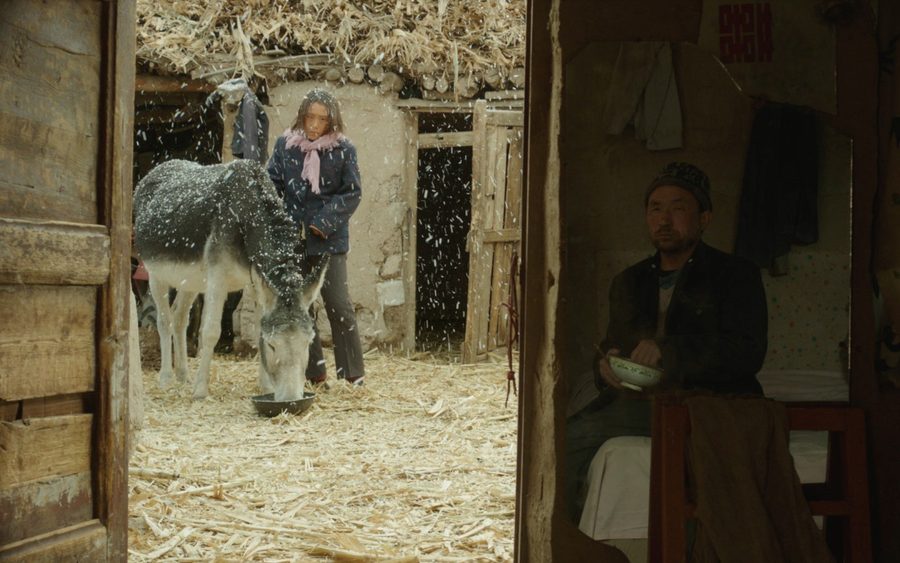
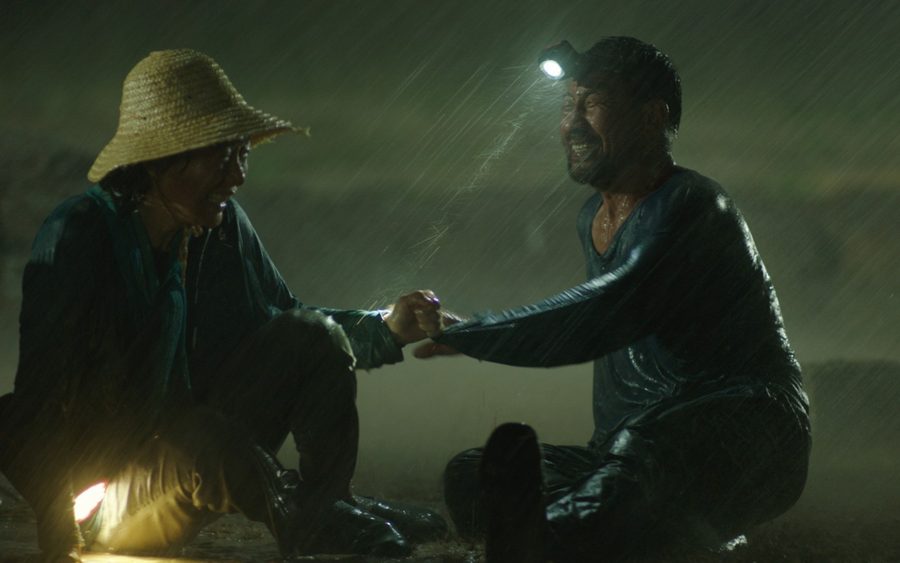
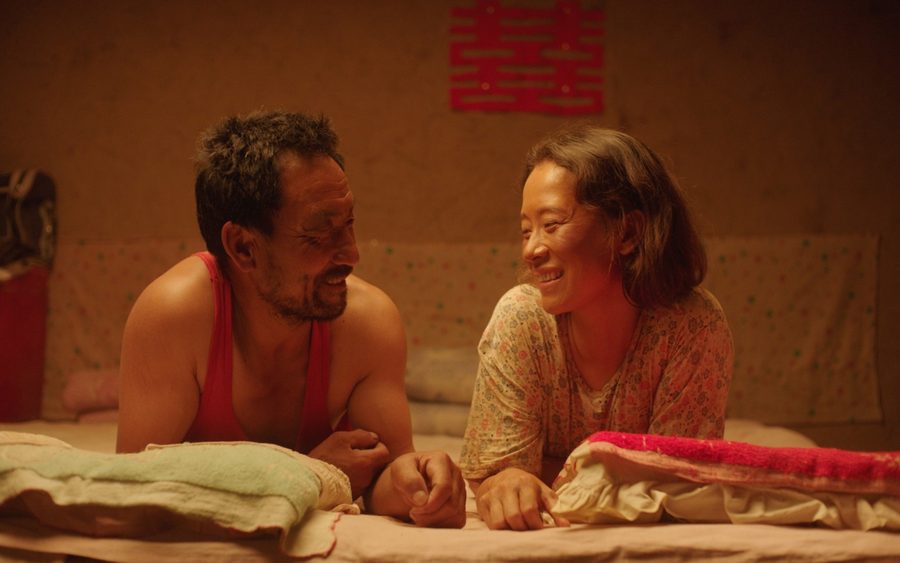
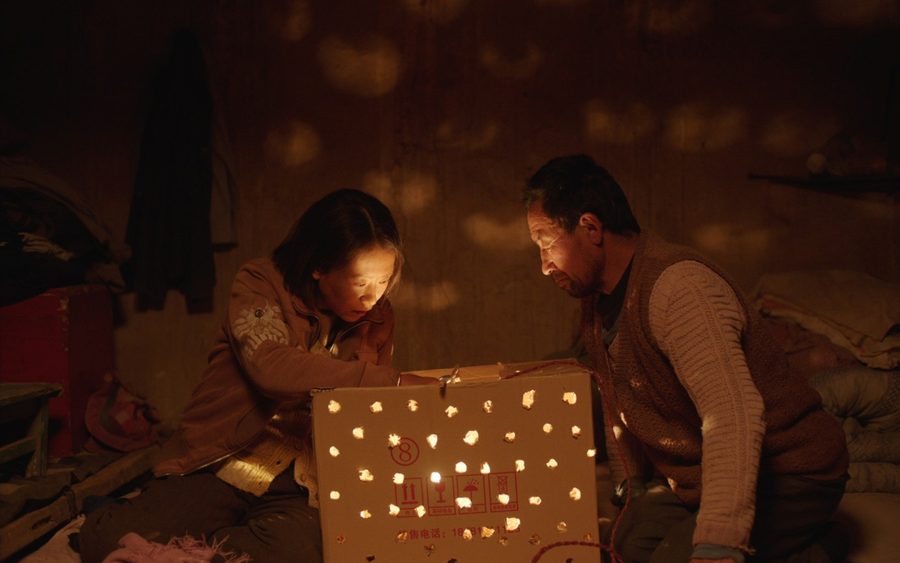
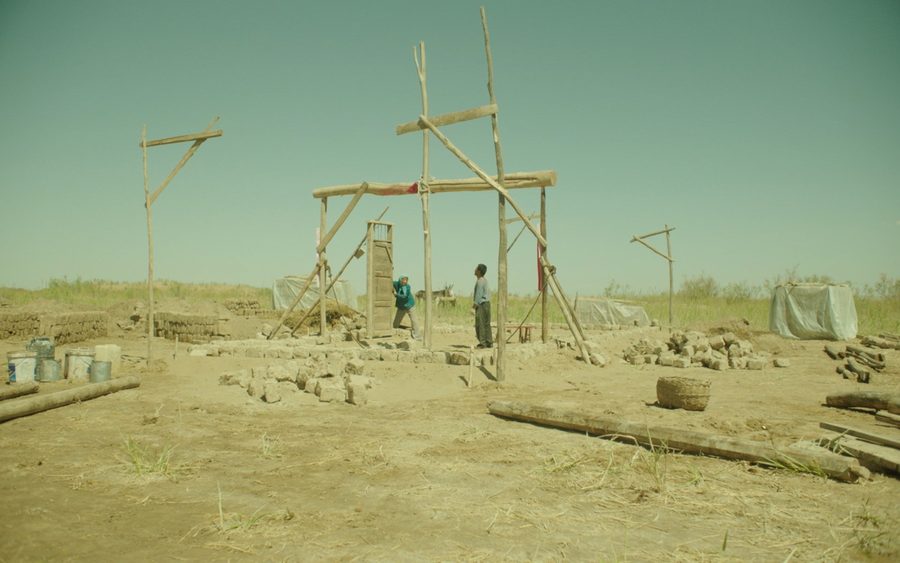
- “Return to Dust” — 2022, the main competition at Berlinale; six feature films, almost all about his native Gansu.
9. Wang Bing — 王兵 (Shaanxi, 1967)
The country's leading documentarian: nine hours of “West of the Tracks”, three hours in a factory, years for a single person.
- Path — born in 1967 in Shaanxi; graduated from the photography faculty of the Luxun Academy of Fine Arts in 1995 and studied cinematography at the Beijing Film Academy in 1996.
- “West of the Tracks” — filmed between 1999 and 2003 and awarded in Lisbon, Marseille, Yamagata and Nantes.
- Later — “Three Sisters” (2012, Horizons in Venice), “15 Hours” (2017), “Dead Souls” (2018), “Youth” (2023).
10. Qiu Jiongjiong — 邱炯炯 (Leshan, Sichuan, 1977)
A painter who came to cinema from painting: the scene as a picture, the actor as a figure, memory as theatre.
- Path — born in 1977 in Leshan (Sichuan); works with painting, photography and video.
- Documentary and experimental works — “The Big Restaurant” (2006), “Grandma” (2010), “Records of the Hall” (2011), “Obsession” (2015).
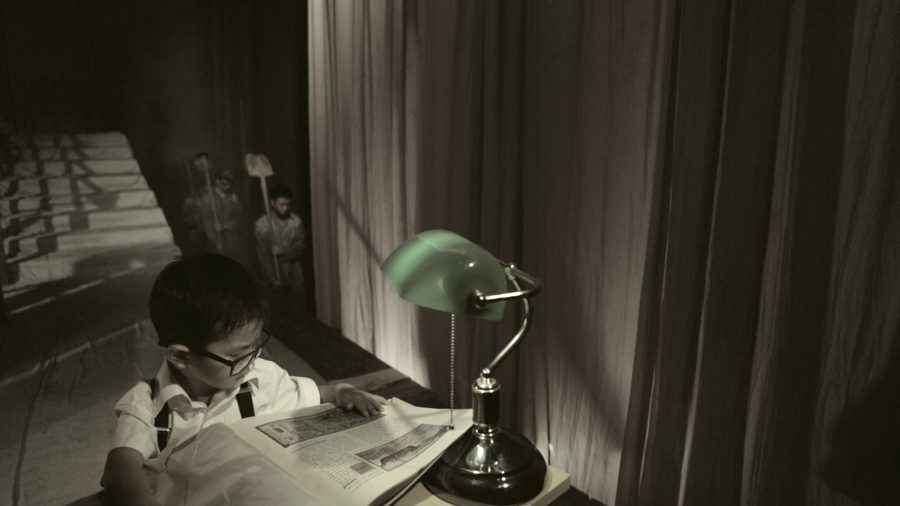
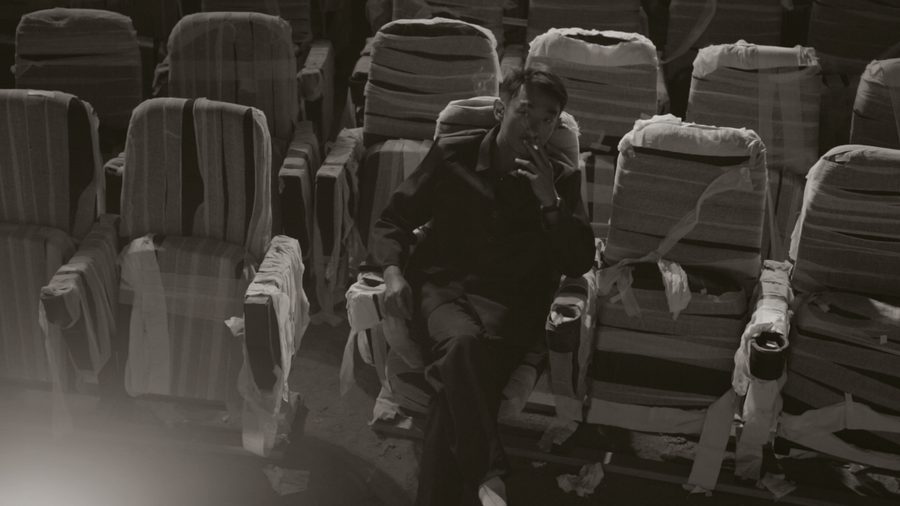
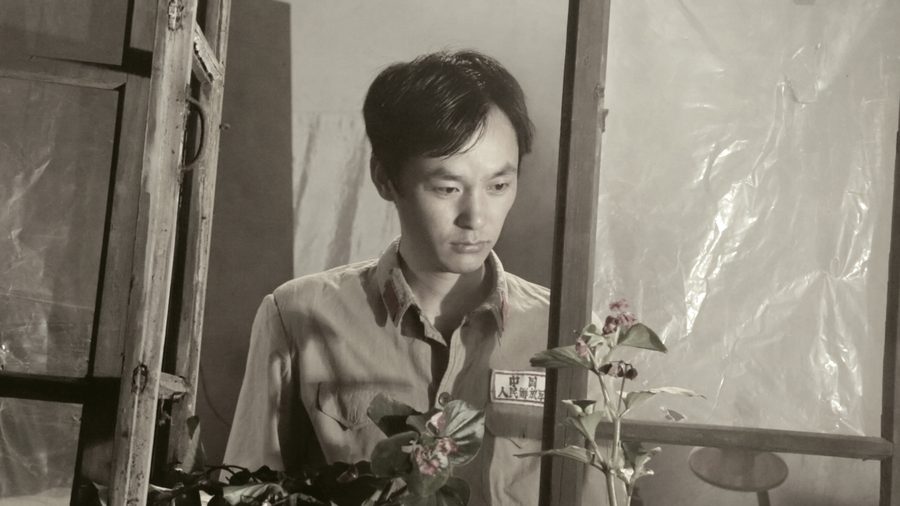
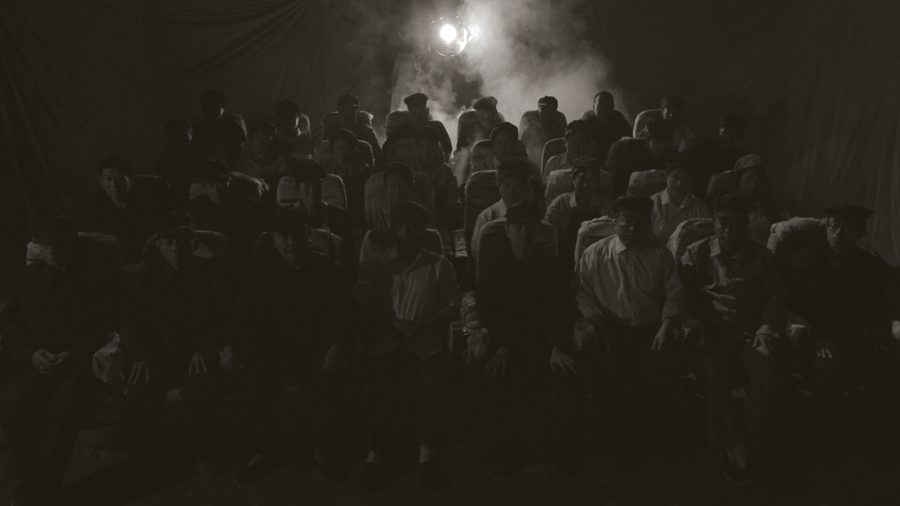
- “A New Old Play” — 2021, the Locarno jury prize; the director also acted as the production designer.