survey_43 — exhibition design and scenography
1. Wu Hongliang — 吴洪亮 (Beijing, 1973)
Curator and researcher of the art of Qi Baishi and of twentieth-century Chinese art; director of the Beijing Academy of Painting (北京画院) and its museum, and director of the Memorial Museum of Qi Baishi.
Path — born in 1973 in Beijing; graduated from the Central Academy of Fine Arts (中央美术学院) in 1996; has worked at the Beijing Academy of Painting (北京画院) since 2007; now director of the Beijing Academy of Painting, director of the Academy's museum (北京画院美术馆) and of the Memorial Museum of Qi Baishi (齐白石纪念馆); vice-chairman of the Curatorial Committee of the China Artists Association, vice-chairman of the Beijing Artists Association, member of the National Committee of the Chinese People's Political Consultative Conference (13th term).
Sources: Official website of the Beijing Academy of Painting bjaa.com.cn — profile of 吴洪亮 (artist=357) with a list of curated exhibitions · CAFA Museum cafamuseum.org — CAFAM materials on 吴洪亮 (newsdetail/3589, 3740) · Xinhua xinhuanet.com — report on the opening of the Chinese pavilion “Re-睿” at the 58th Venice Biennale (2019) · 凤凰艺术 culture.ifeng.com — on the appointment of 吴洪亮 as curator of the Chinese national pavilion (2019)
2. Huang Jiancheng — 黄建成 ()
Spatial designer and artist, professor at the Central Academy of Fine Arts (中央美术学院); head of the overall design of China's pavilions at world expos and of museum displays.
- Path — professor and doctoral supervisor at the Central Academy of Fine Arts (中央美术学院), vice-dean of the School of Urban Design (城市设计学院); chairman of the executive committee of ICAA (International Creative Art Alliance); vice-chairman of the Environmental Design Committee of the China Artists Association; member of the International Olympic Art Committee (IOAC); visiting professor at a number of institutions, including the New York School of Interior Design and the China Academy of Art.
- Displays and world expos — art director and chief designer of the Chinese pavilion at Expo 2005 in Aichi (Japan); design director of the Chinese national pavilion at Expo 2010 in Shanghai, built on the principle of five zones (一个影院, 一幅画卷, 一片稻田, 一次体验, 一个广场); art director of the Chinese culture pavilion at Expo 2020 in Dubai; chief designer of the New York programme “欢乐春节·艺术中国汇” (2015–2018), which included a light installation on the Empire State Building.
- Museum design and solo projects — led the overall interior and display design of the Hunan Provincial Museum (together with Arata Isozaki) and of the Museum of Chinese Archaeology (中国考古博物馆); solo exhibitions “场域·黄建成设计” (CAFA, Guangzhou Academy of Fine Arts, Shanghai, 2014), “数字时代的仿像·黄建成艺术展” (Berlin, 2015), “机械手稿-黄建成的艺术” (Venice, 2019); the work “进步的阶梯-机械手稿3” (2020) was acquired for the permanent collection of the Shanghai Expo Museum (世博会博物馆).
Sources: Official faculty page of the Central Academy of Fine Arts i.cafa.edu.cn (aintro ai=110891) · Official ICAA 国际艺术创意联盟 profile icaalliance.org (section 国际理事 / 黄建成作品) · 中央美术学院 cafa.edu.cn — PDF listing doctoral supervisors (2022) · 新浪收藏 collection.sina.cn — report on the solo exhibition in Venice (2019)
3. Li Hu — 李虎 (1973)
Architect, co-founder and partner of the office OPEN Architecture (Beijing); author of art museums, concert halls and cultural centres.
- Path — born in 1973; received a bachelor's degree in architecture from Tsinghua University in 1996 and a master's in architecture from Rice University (USA) in 1998; worked at Steven Holl Architects from 2000 to 2010, becoming a partner and head of its Beijing studio in 2005 (projects 当代MOMA, 深圳万科中心, 成都来福士广场, 南京四方美术馆); in 2010, together with Huang Wenjing (黄文菁), he devoted himself entirely to the office OPEN, which they founded in New York (Beijing studio since 2008).
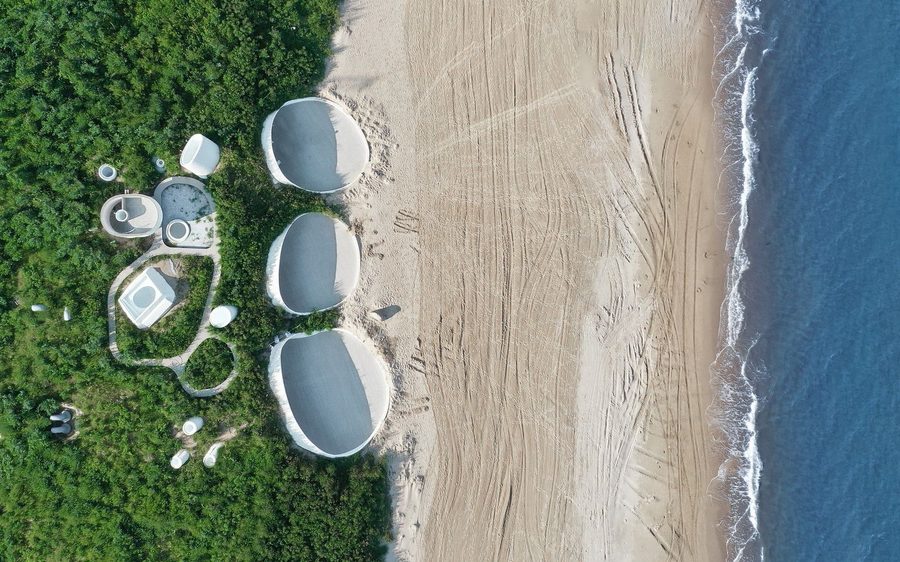
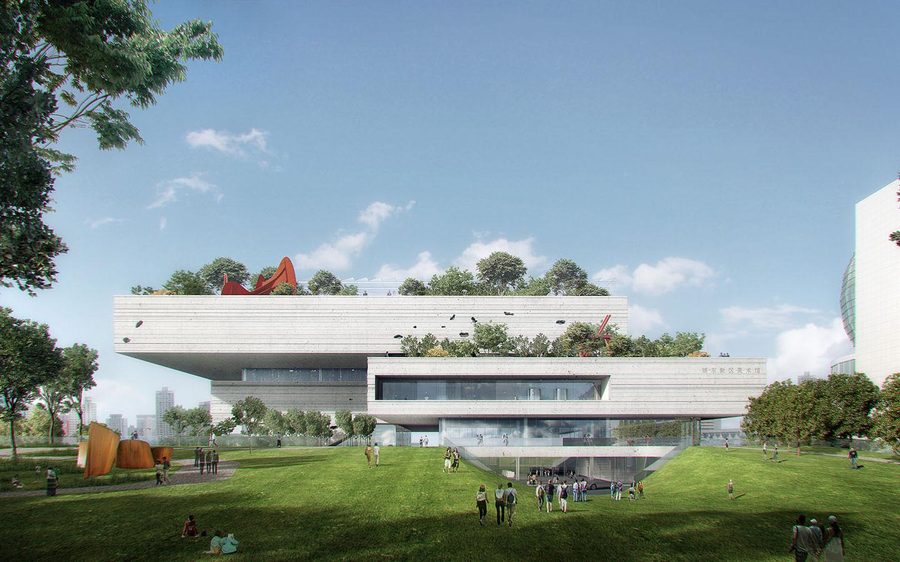
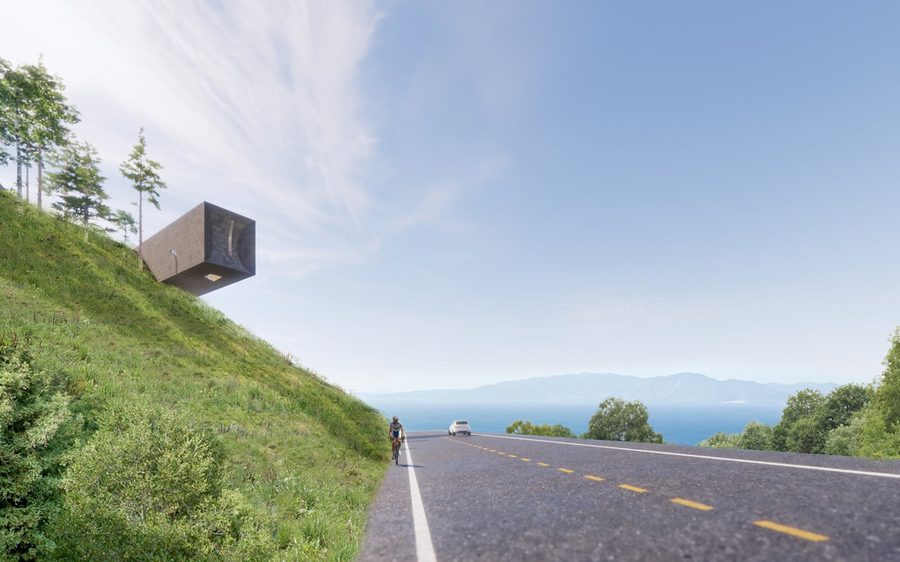
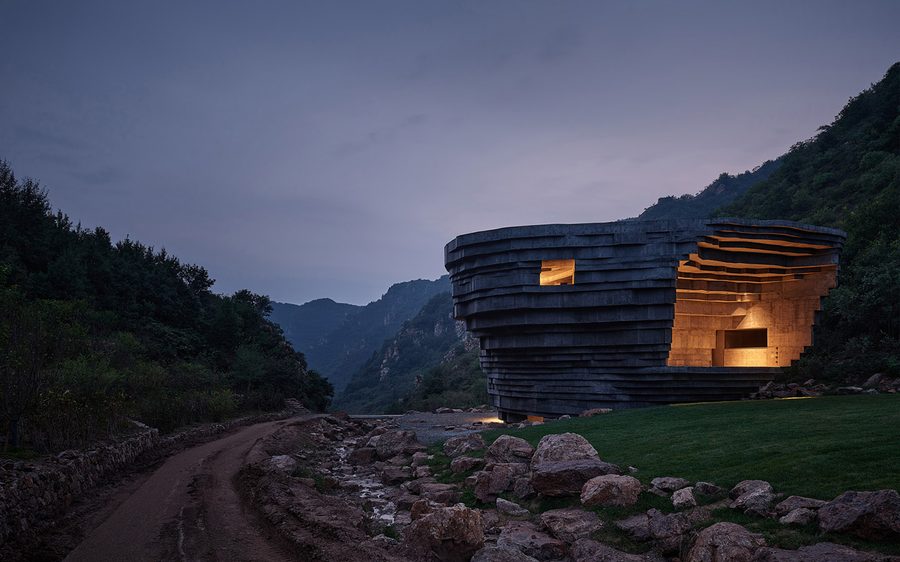
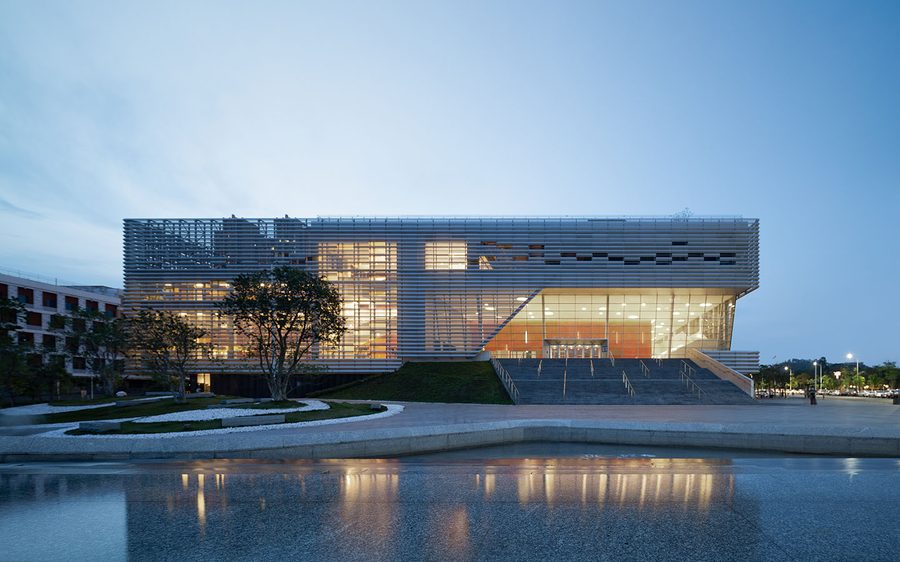
- Projects — art and cultural spaces: UCCA Dune Art Museum (UCCA沙丘美术馆, Qinhuangdao, 2018), Sea Art Museum (2018), the Tank Shanghai art centre (上海油罐艺术中心, 2019), Pudong Art Museum (2016), Fuxian Lake Art Center (2020), the 山谷音乐厅 concert hall (Chengde, 2021), Pingshan Performing Arts Center (Shenzhen, 2019), the Beijing Foreign Languages Bookstore (2021).
- Recognition — honorary fellow of the American Institute of Architects (Hon. FAIA); professor in practice at the Harvard Graduate School of Design (Kenzo Tange Chair) and visiting professor at the University of California, Berkeley; visiting lecturer at Tsinghua University and the Central Academy of Fine Arts; “Designer of the Year” at the Wallpaper* China Design Awards (2022); curator of the first China Design Exhibition (第一届中国设计大展).
website wechat: OPEN建筑事务所
4. Yung Ho Chang — 张永和 (Beijing, 1956)
Architect, founder and principal architect of the office 非常建筑 / Atelier FCJZ; teacher, dean of the faculty of architecture at the University of Hong Kong.
- Path — born in 1956 in Beijing; entered the Nanjing Institute of Technology (now Southeast University) in 1977; studied in the USA — Ball State University and the University of California, Berkeley (master's in architecture, 1984); in 1993, together with Lu Lijia (鲁力佳), he founded the office 非常建筑 (Atelier FCJZ) in the USA; headed the MIT department of architecture from 2005 to 2010; was a member of the Pritzker Prize jury from 2011 to 2017; since 2025 dean of the faculty of architecture at the University of Hong Kong.
- The office and exhibition practice — FCJZ designs at the intersection of space, structure and “scenario” (Space / Structure / Scenario); the office's solo exhibitions have been held at Apex Art (New York, 1999), Harvard (2002), MIT (2007), UCCA Beijing (2012), PSA Shanghai (2016) and the Pingshan Art Museum (2021); in 2008 the office created an installation in the courtyard of the Victoria and Albert Museum (London); FCJZ has taken part in the Venice Biennale six times; works, installations and models are held in the collections of the V&A, the National Art Museum of China, OCAT, the Pingshan Art Museum and M+ (Hong Kong).
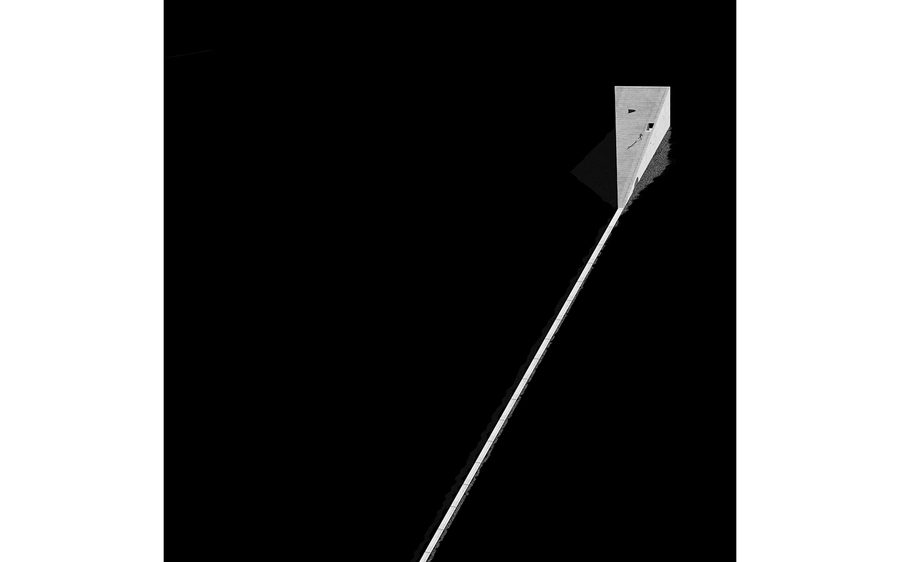
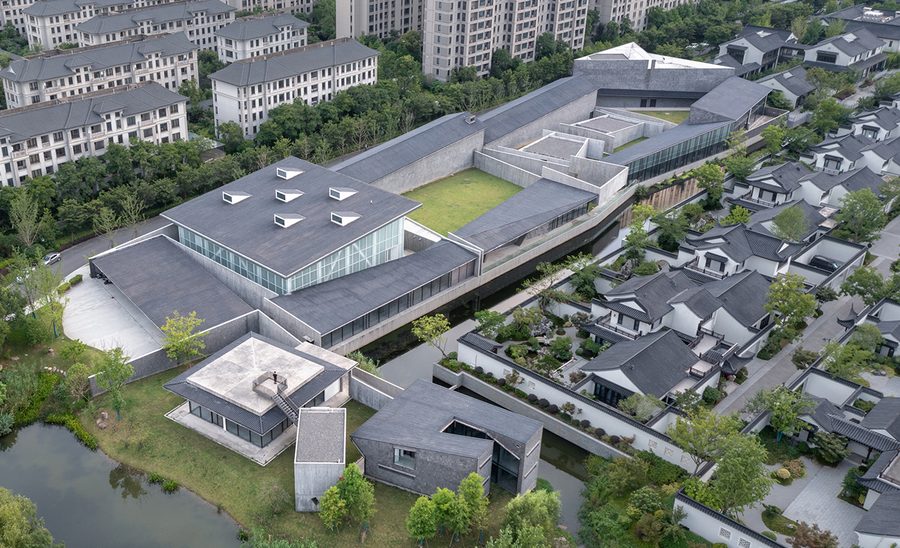
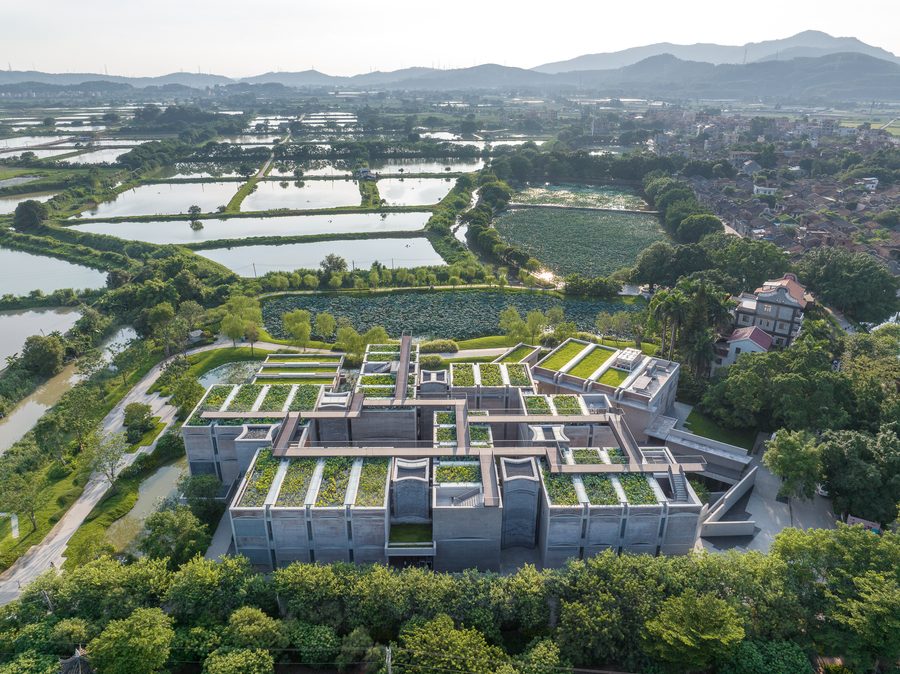
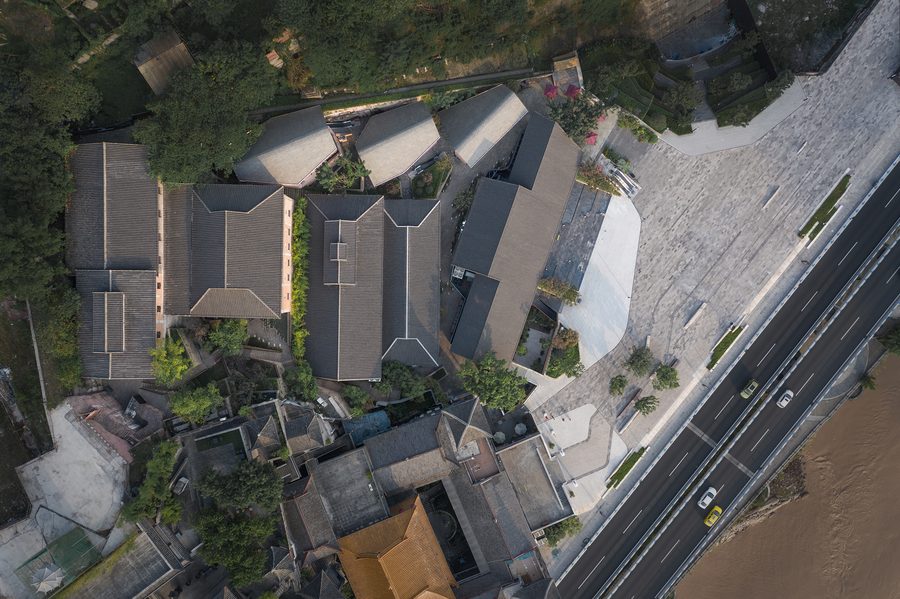
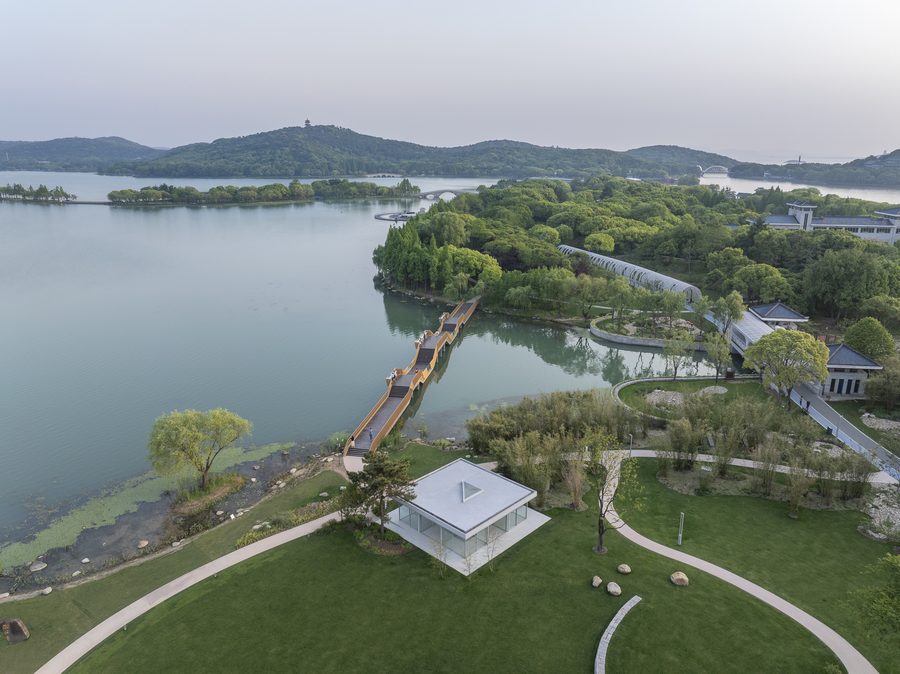
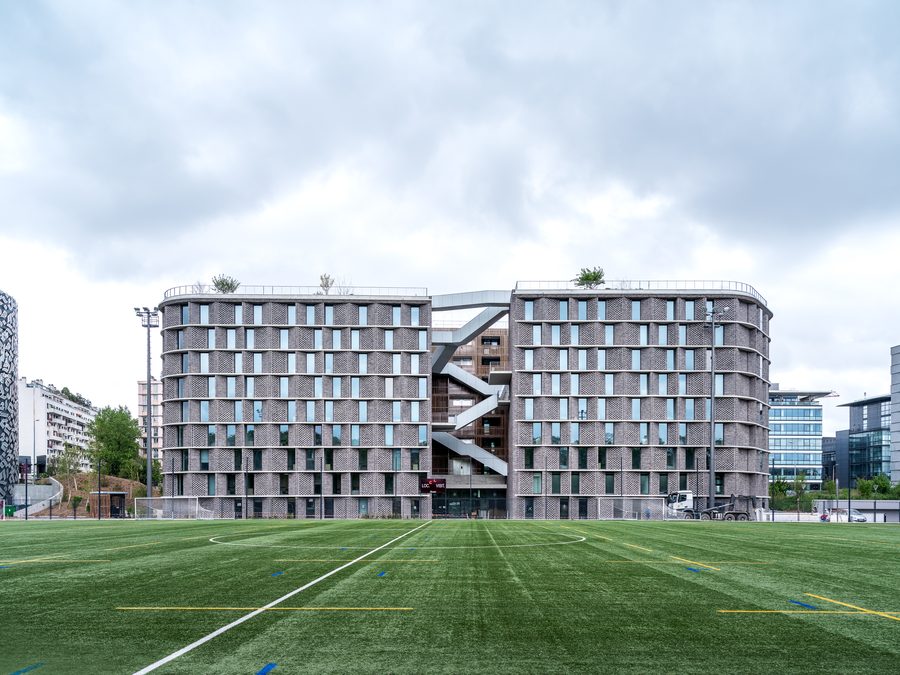
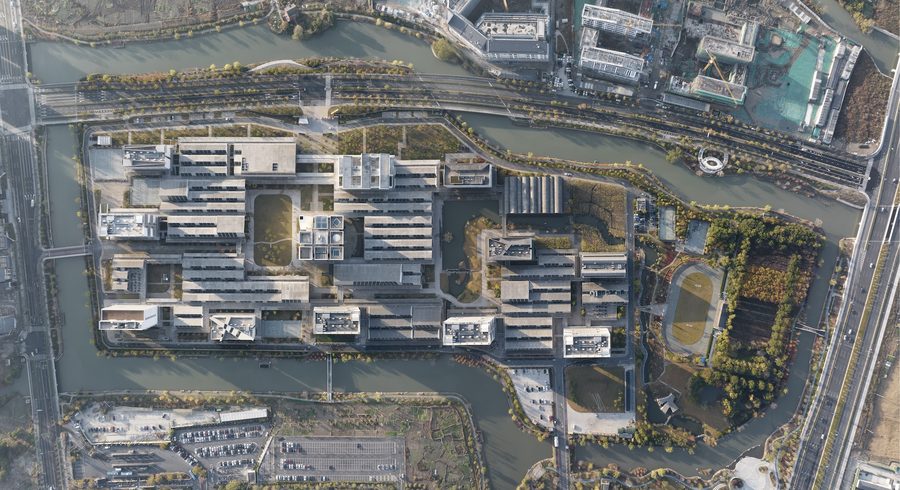
- Projects — Jishou Art Museum (吉首美术馆), the 未名美术馆 art museum (Wuzhen, 2022), the 春阳台 cultural and art centre (2023), the Memorial Museum of the Evacuation of the Forbidden City's Treasures (故宫文物南迁纪念馆, Chongqing, 2020), the 九宫亭 pavilion (2024), the Liangzhu campus of the China Academy of Art (中国美术学院良渚校区), the Chinese House in the Cité internationale universitaire de Paris (中国学舍, 2023).
5. Wang Hui — 王晖 (Beijing, 1969 — 2026)
Architect; author of the renovation project for the building of the Today Art Museum (今日美术馆) in Beijing, one of the first Chinese designers to connect contemporary art (当代艺术) with architectural practice; a former partner of the office 非常建筑.
- Path — born in 1969; graduated from the faculty of architecture of the Northwestern Polytechnical University (西北工业大学) in 1992; taught there briefly, then moved to Beijing and joined Zhang Yonghe's office 非常建筑, where he became a partner; also a lecturer at the Center for Architectural Research of Peking University; later a partner of a number of Beijing design offices; worked in architecture, urban design and planning, contemporary art and industrial design.
- The Today Art Museum — led the renovation of the main building of the Today Art Museum (今日美术馆, Chaoyang district, Beijing), converting the former boiler house of a brewery into an exhibition space; a main hall with a second light of about 13.5 m, an entrance ramp-frame in the shape of “之” with a metal grille, movable partitions and ceiling rails that allow the display to be changed; on the roof, a permanent installation by Wang Jianwei, “看展览” (汪建伟), created in dialogue with the architect.
- Projects — 今日美术馆 (Beijing), a primary school in Ngari prefecture (西藏阿里苹果小学, Tibet), the “左右间咖啡的院” and “廊及廊居” complexes; the museum's architectural solution treats the renovation of an old building as a way of preserving the “instant history” of the urban fabric; he died in Beijing in 2026.
Sources: Official website of the Today Art Museum todayartmuseum.com — section “美术馆概况 / 美术馆建筑” (description of the project by 王晖) · artexb.com — entry for 今日美术馆 Today Art Museum (architect 王晖) · 雅昌艺术网 artron.net — obituary/chronicle, 王晖 (1969–2026), designer of the Today Art Museum (2026) · 维基百科 zh.wikipedia.org — article “今日美术馆” (architect 王晖)
← cybermodern() * Illustrations belong to their rights holders and are published for informational purposes. For copyright questions or comments on the text copyright@ctrlm.com