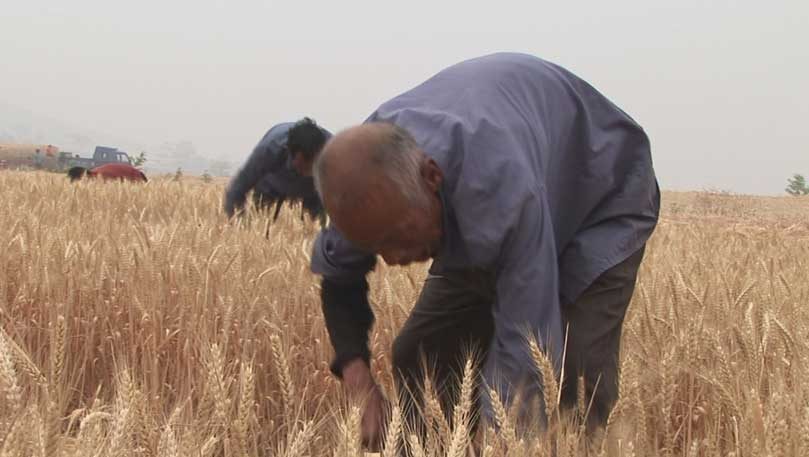
survey_45 — documentary film
1. Xu Tong — 徐童 (Beijing, 1965)
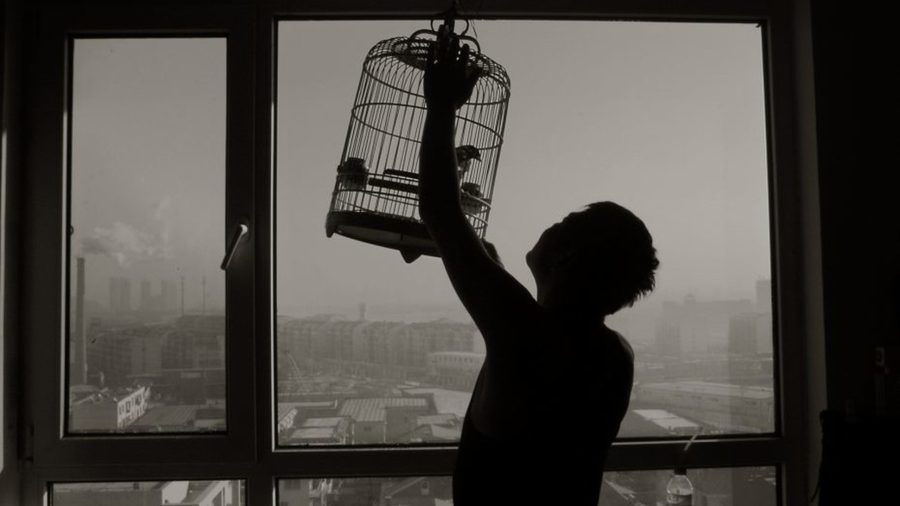
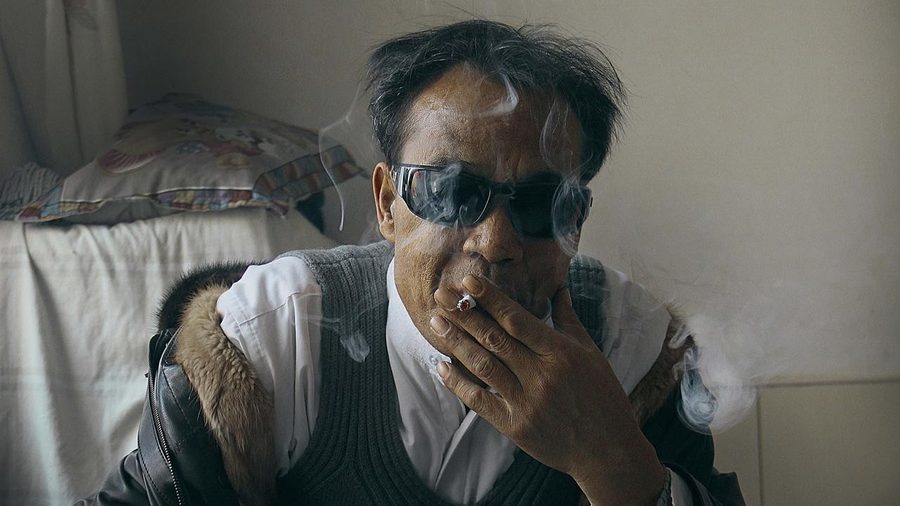
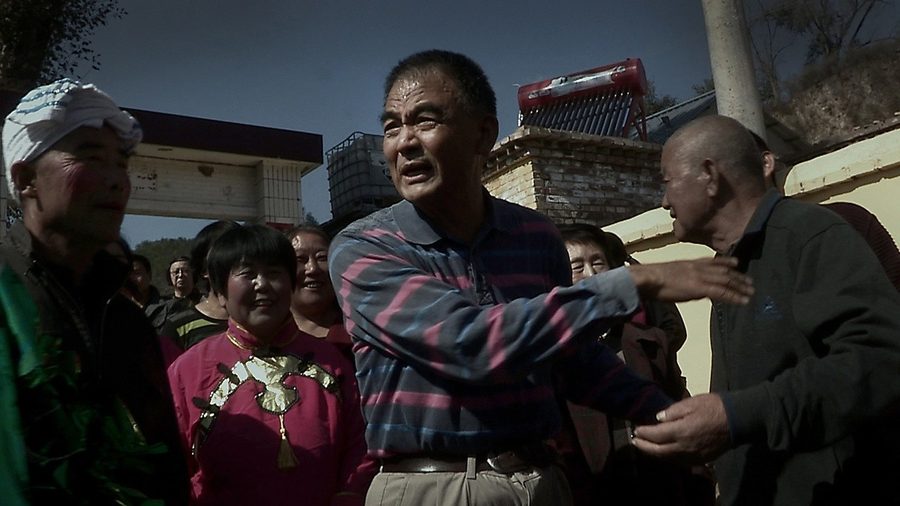
Documentary director, author of the “vagrants trilogy” — a cycle about people living outside official frameworks: a fortune teller, a seasonal worker and an old man in north-east China.
Path — born in 1965 in Beijing; graduated from the photojournalism department of the Communication University of China (中国传媒大学) in 1987.
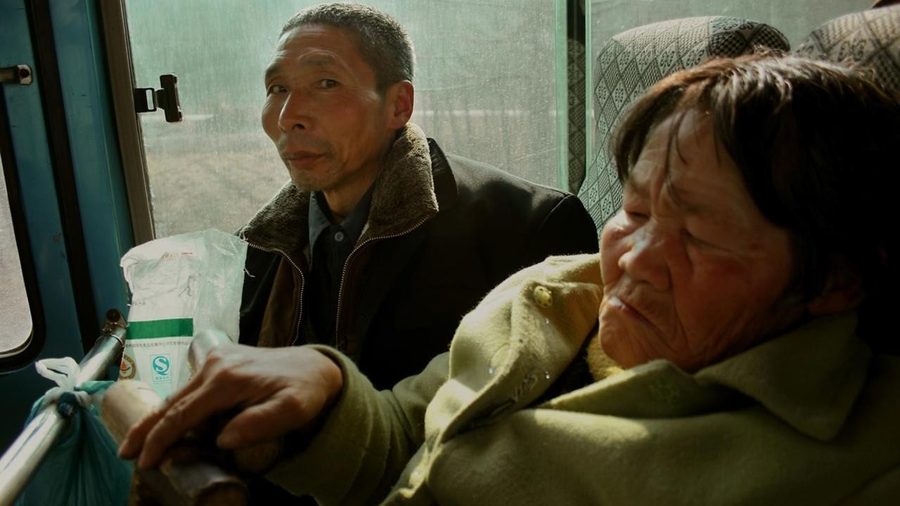
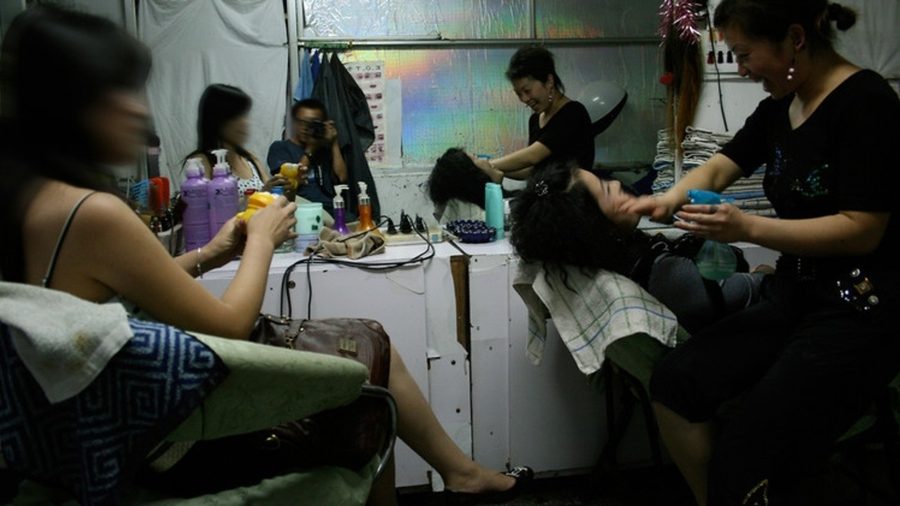
2. Zhou Hao — 周浩 (Xingyi, Guizhou, 1968)
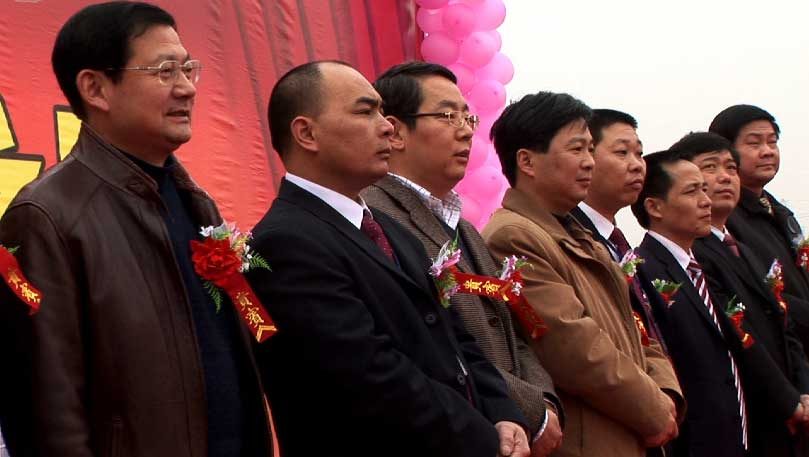
A documentary filmmaker who came from photojournalism: he makes “direct cinema” about a school, the police, a factory and a city administration, without voice-over commentary.
- Path — born in 1968 in Xingyi (Guizhou province); worked as a photographer for the Xinhua agency and the newspaper 《南方周末》; has been making documentaries since 2001.
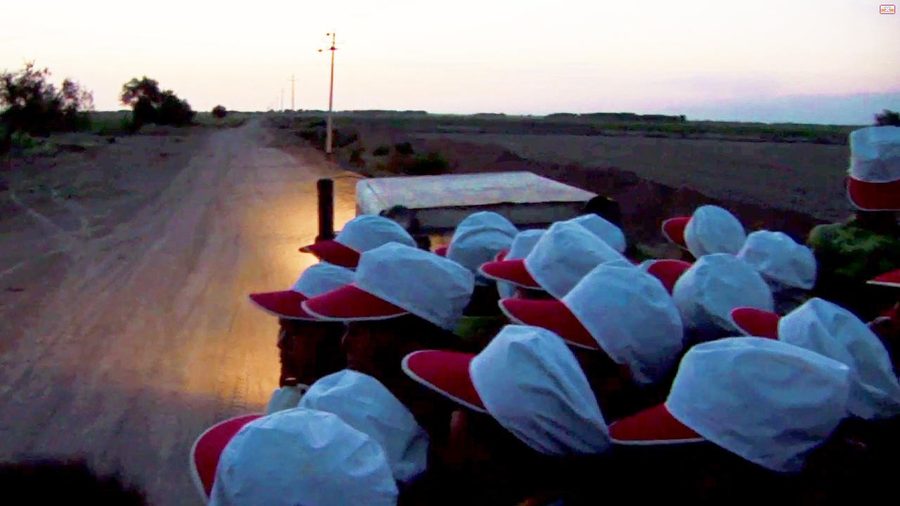
- Films — 《厚街》 (Houjie Township, 2002), 《高三》 (Senior Year, 2006), 《龙哥》 (Using, 2007), 《书记》 (The Transition Period, 2009), 《差馆》 (Police Station, 2010), 《棉花》 (Cotton, 2014), 《大同》 (The Chinese Mayor, 2014), 《孤注》 (All In, 2021).
- Awards — 《棉花》, best documentary at the 51st Taipei Golden Horse Film Festival (2014); 《大同》, best documentary at the 52nd Golden Horse (2015) and the Special Jury Award for “unprecedented access” at the Sundance Film Festival.
3. Wu Wenguang — 吴文光 (Kunming, Yunnan, 1956)
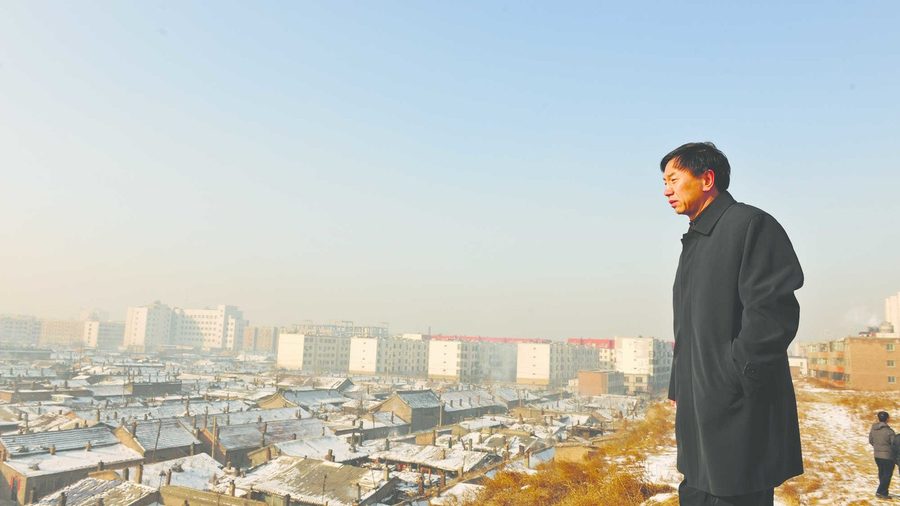
One of the founders of independent documentary film in China: his 《流浪北京》 (1990) is regarded as the starting point of the movement; later he was the organiser of the studio in Caochangdi.
- Path — born in 1956 in Yunnan province; worked as a television journalist, moved to Beijing in 1988 and began shooting independently.
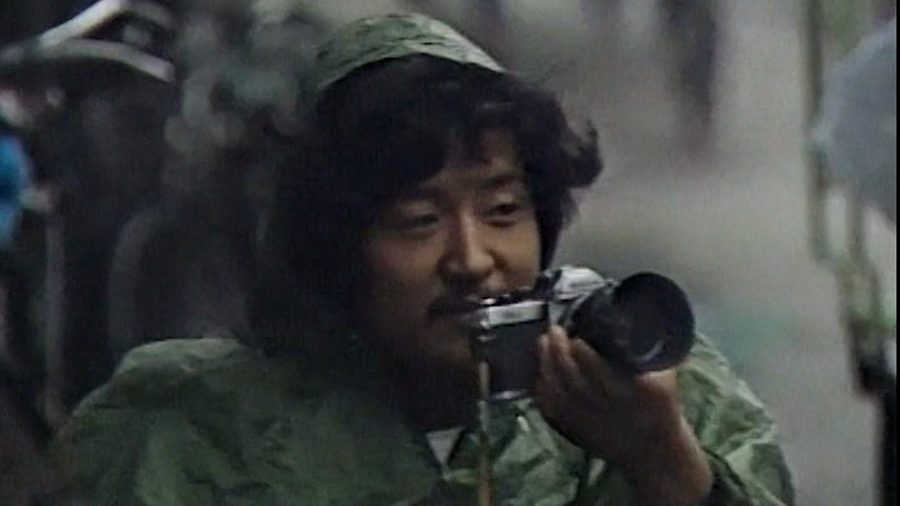
- Key films — 《流浪北京:最后的梦想者》 (Bumming in Beijing: The Last Dreamers, 1990), 《1966,我的红卫兵时代》 (1993), 《四海为家》 (At Home in the World, 1995), 《江湖》 (Jianghu: Life on the Road, 1999), 《操他妈的电影》 (Fuck Cinema, 2005), 《治疗》 (Treating, 2010), 《调查父亲》 (Investigating My Father, 2016).
- Awards and institutions — 《1966,我的红卫兵时代》 won the Ogawa Shinsuke Prize at YIDFF 1993; Wu Wenguang founded the “草场地工作站” studio in Beijing and the programme “民间记忆计划” (Memory Project), whose materials have been held in the Duke University Libraries archive since 2009.
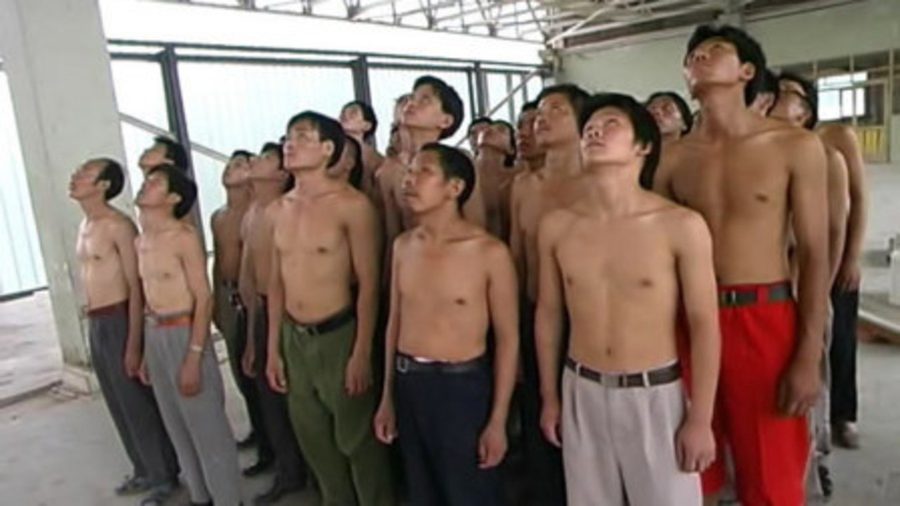
4. Du Haibin — 杜海滨 (Baoji, Shaanxi, 1972)
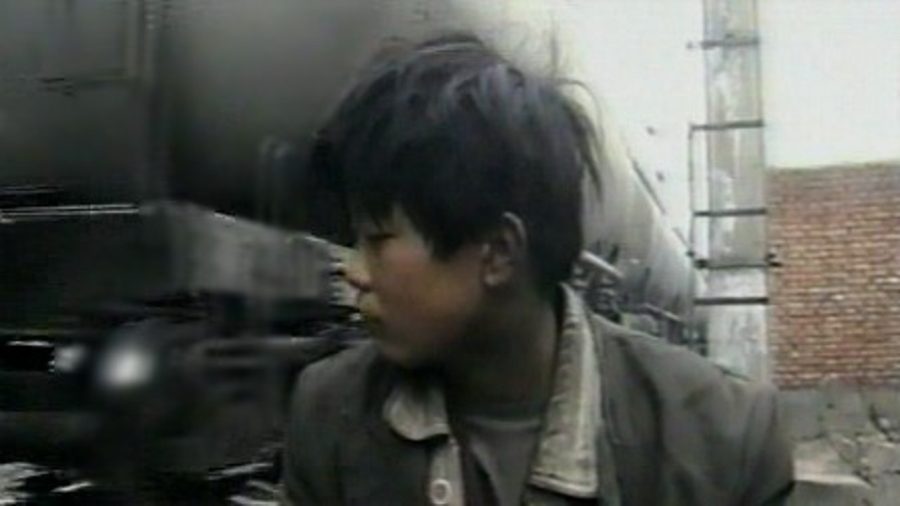
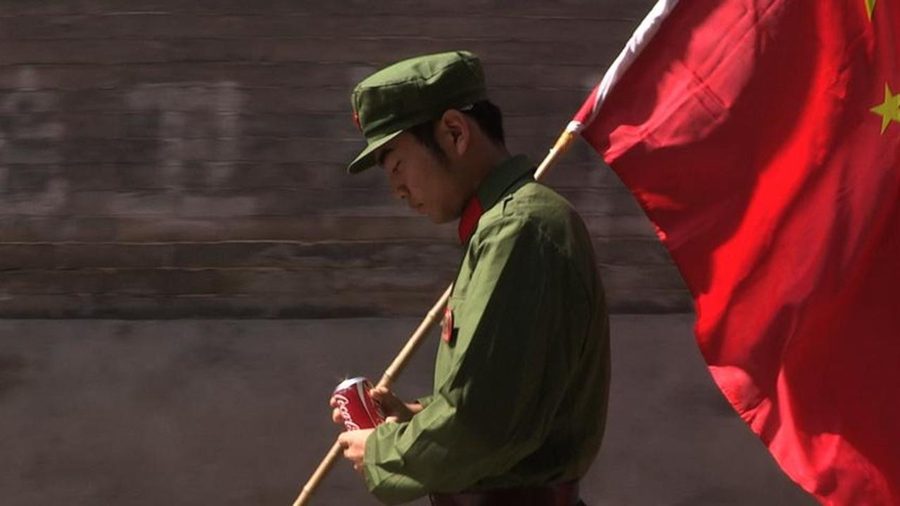
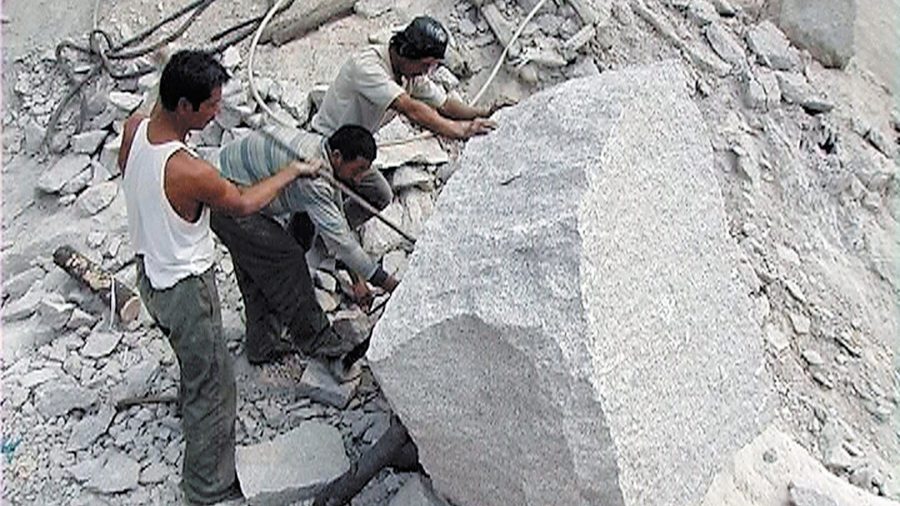
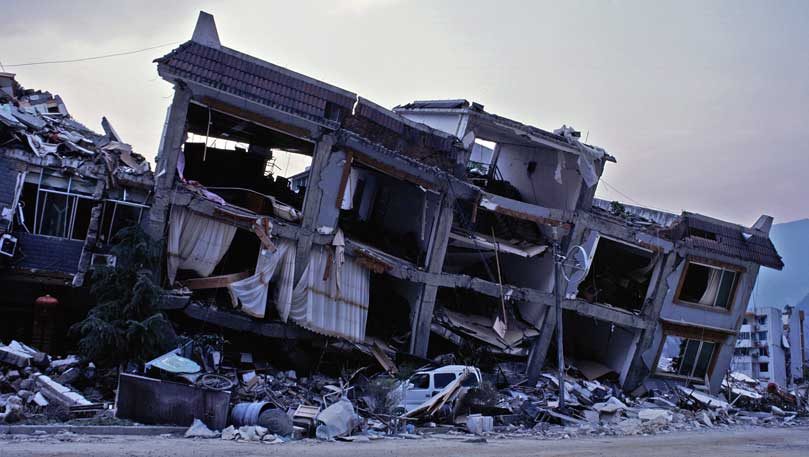
A documentary filmmaker, a graduate of the photography faculty of the Beijing Film Academy: he films people on the margins — the homeless by a railway, survivors of an earthquake, a teenage patriot.
- Path — born in 1972 (some sources say in Xi'an); graduated from the photography faculty of the Beijing Film Academy in 2000, has worked in independent film since 1998 and teaches at the Film School of the China Academy of Art.
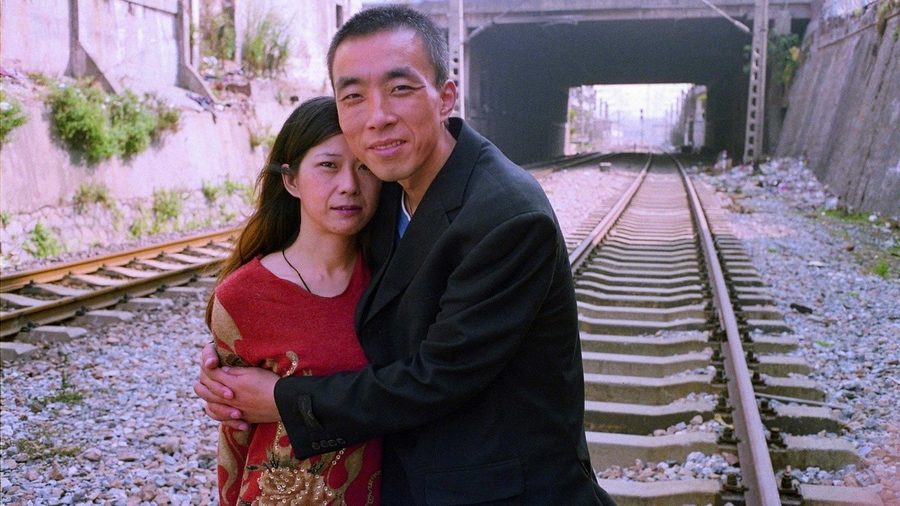
- Films — 《窦豆》 (Doudou, 1999), 《铁路沿线》 (Along the Railway, 2000), 《高楼下面》 (Under High-rise Buildings, 2002), 《美男子》 (Beautiful Men, 2005), 《伞》 (Umbrella, 2007), 《1428》 (2009), 《少年小赵》 (A Young Patriot, 2015).
- Awards — 《铁路沿线》, special mention in the “New Asian Currents” section at YIDFF 2001; 《美男子》, best Asian documentary at the Busan film festival; 《伞》, Special Jury Prize at the 30th French festival “Cinéma du Réel”; 《1428》, best documentary in the “Orizzonti” section of the 66th Venice Film Festival.