survey_49 — puppet theatre and object theatre
1. Meng Jinghui — 孟京辉 (Changchun, 1964)
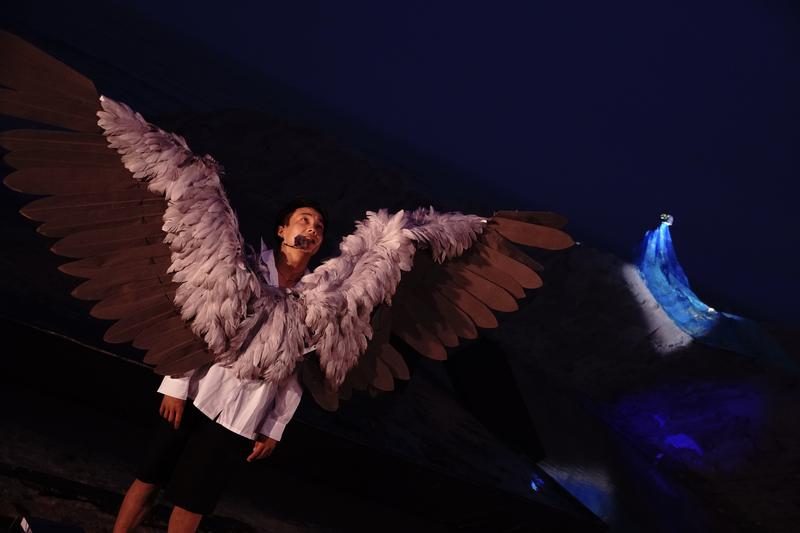
Theatre director, one of the best-known figures of Chinese avant-garde theatre; founder of the Meng Jinghui studio (孟京辉戏剧工作室) and artistic director of the Beijing theatre The Hive (蜂巢剧场).
- Path — born in 1964 (Wikipedia gives 1 May 1964, Changchun; some Chinese reference works — 11 March 1964, Beijing). In 1986 he graduated from the Chinese department of the Beijing Normal College (北京师范学院), in 1991 from the directing faculty of the Central Academy of Drama (中央戏剧学院) with a master’s degree; in 1992 he joined the Central Experimental Theatre (中央实验话剧院, since 2001 the China National Theatre). In December 1989, with fellow students, he tried to stage “Waiting for Godot” on a coal heap in the academy courtyard — the performance did not take place.
- Early productions — 送菜升降机 (1990, after Harold Pinter), 深夜动物园 (1990), 秃头歌女 and 等待戈多 (1991), 思凡 (after the kunqu 思凡·双下山 and Boccaccio’s Decameron, 1992/1993; he won a directing prize at the 1993 showcase of Chinese small theatres), 阳台 (1993, after Jean Genet), 我爱XXX (1994), 一个无政府主义者的意外死亡 (after Dario Fo).
- 恋爱的犀牛 — staged in 1999 from a text by Liao Yimei (廖一梅), whom the director married the same year; one of the longest-running productions on the Chinese stage. In 2015 he released 死水边的美人鱼 — the first immersive performance in China.
- Studio and own theatre — in 1997 he founded the Meng Jinghui studio; in 2008, in Beijing’s Dongzhimen district, he opened the theatre The Hive (蜂巢剧场) in a converted cinema — the first case of a Chinese director getting a theatre of his own. He is artistic director of the Beijing International Youth Theatre Festival (北京国际青年戏剧节) and of the avant-garde stage of the Yihai Theatre in Shanghai.
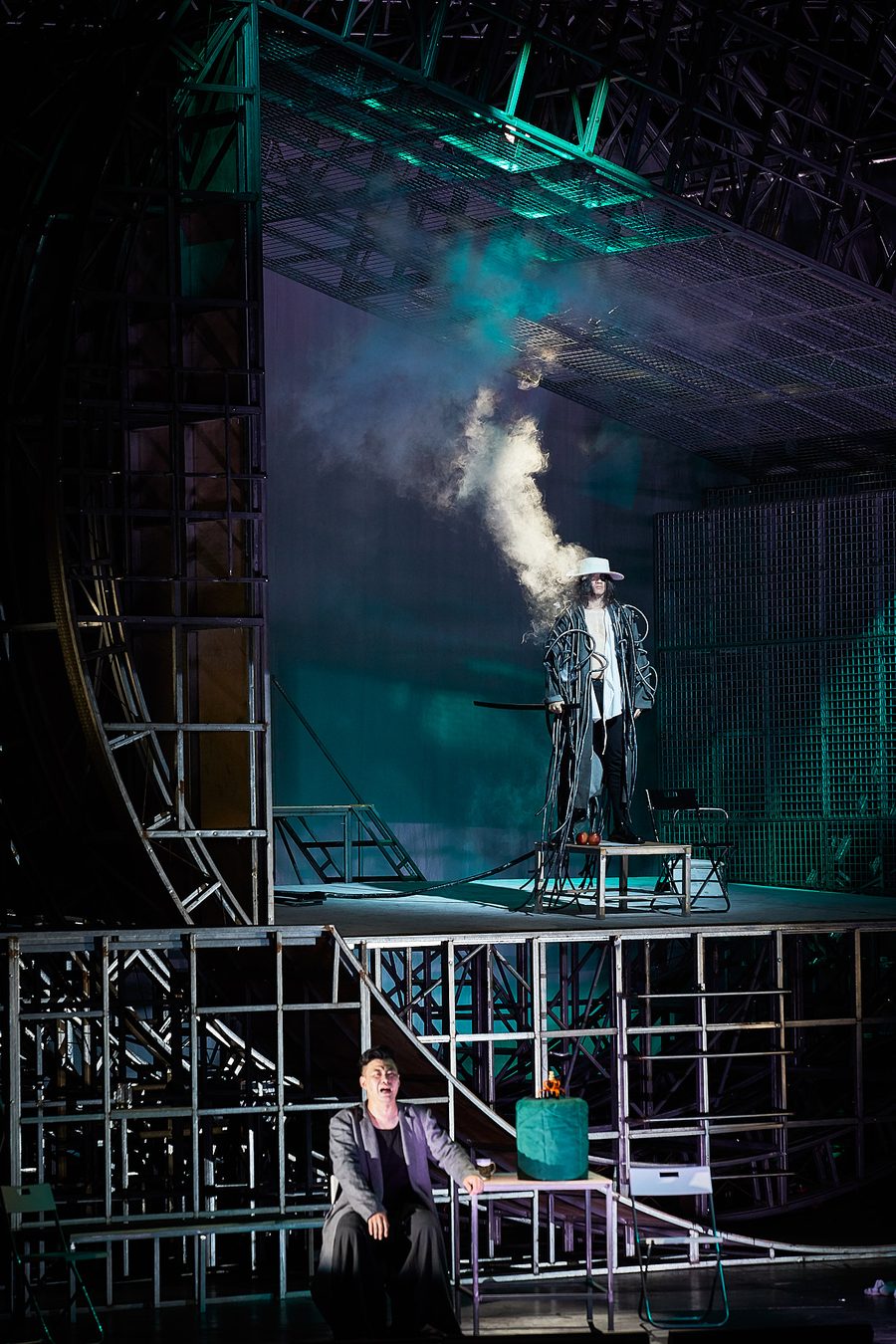
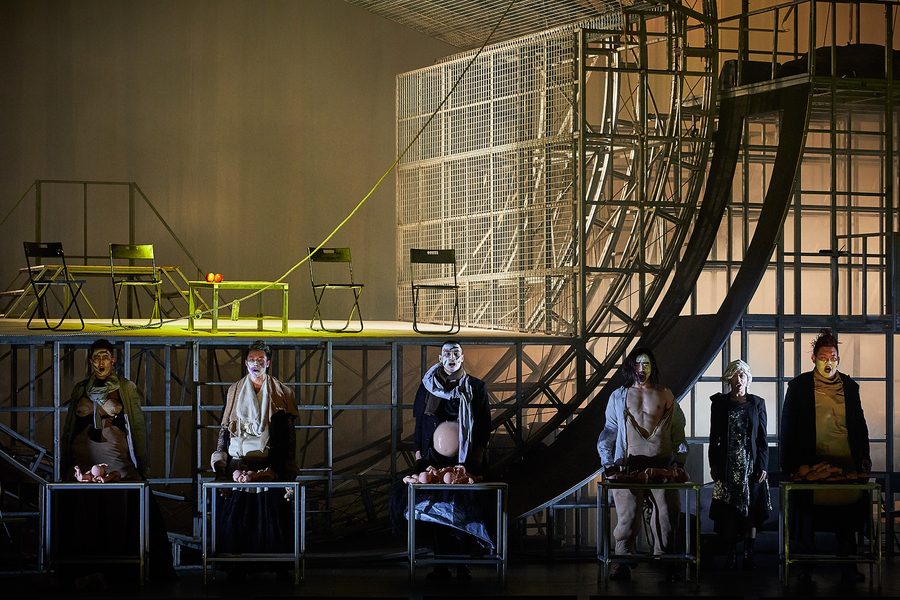
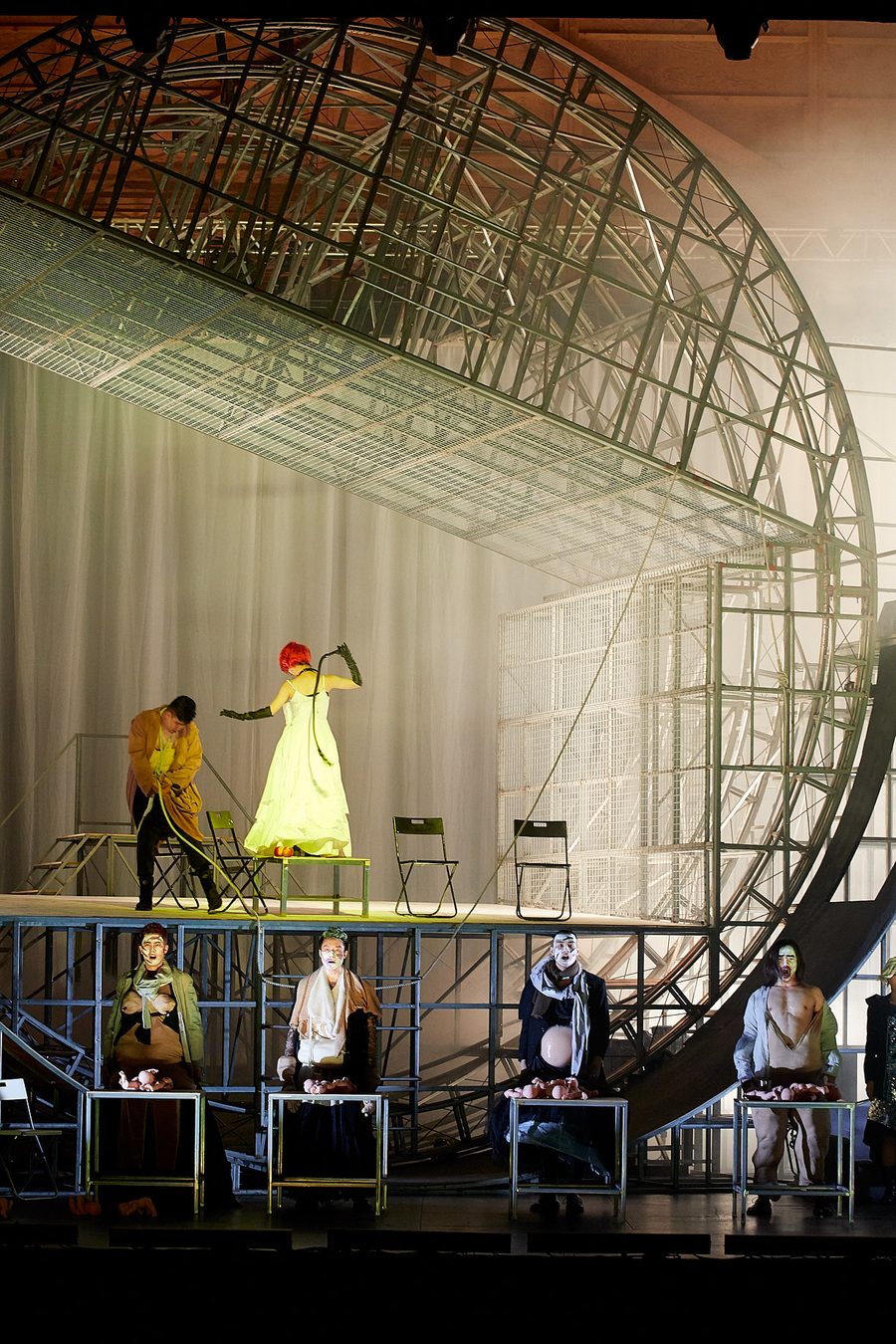
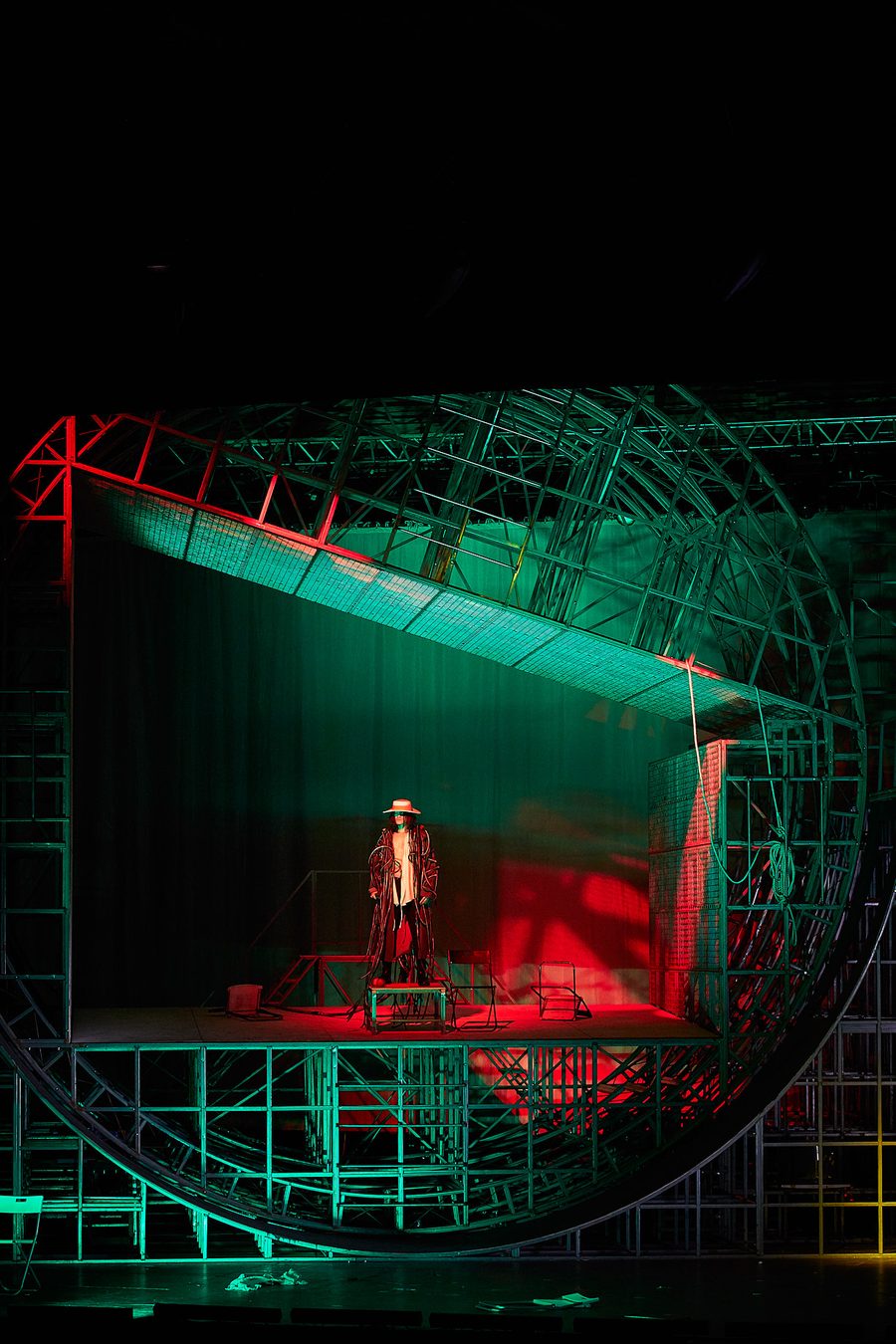
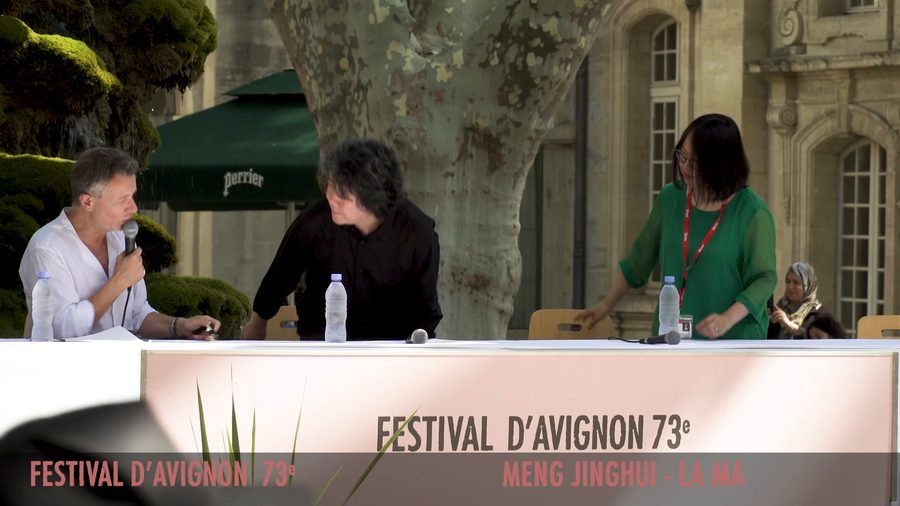
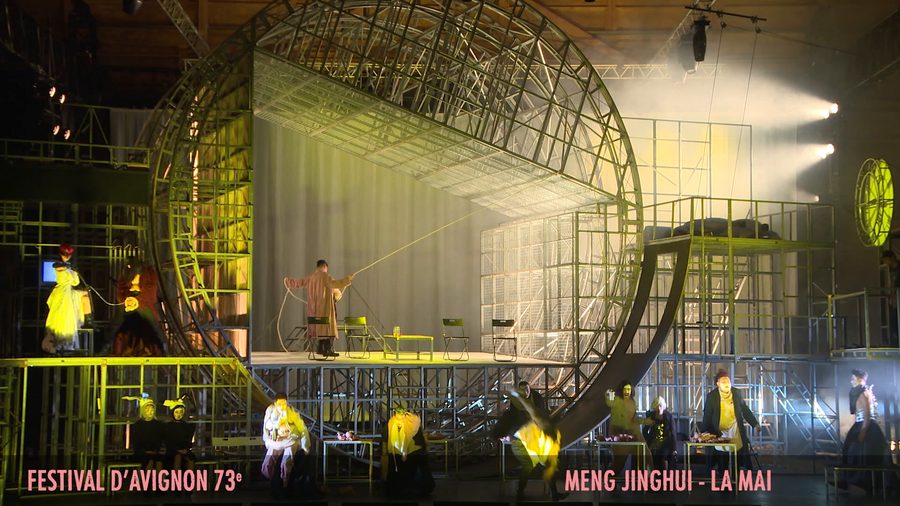
- 茶馆 (2019) — a production after Lao She with electro-rock music; the set design by Zhang Wu is a steel structure weighing 6 tonnes, about 1,000 parts, a rotating sphere on 8 electric machines; the scenery was shipped by sea in 45 days, and 45 technicians took part in the assembly. It premiered at the Wuzhen Theatre Festival (2018); in July 2019 the production became the first Chinese staging to enter the main “IN” programme of the Avignon Festival in its 73-year history. Critical and audience reactions were polarised.
- Stage and object — Meng Jinghui’s productions are built on large moving object-structures and on a “live” stage (the rotating sphere of 茶馆, the immersive space of 死水边的美人鱼), as well as on a dense array of objects and images; he develops the set structures together with his regular designer Zhang Wu. He is the author of the books 先锋戏剧档案 and 新锐戏剧档案.
2. Tian Qinxin — 田沁鑫 (1969)
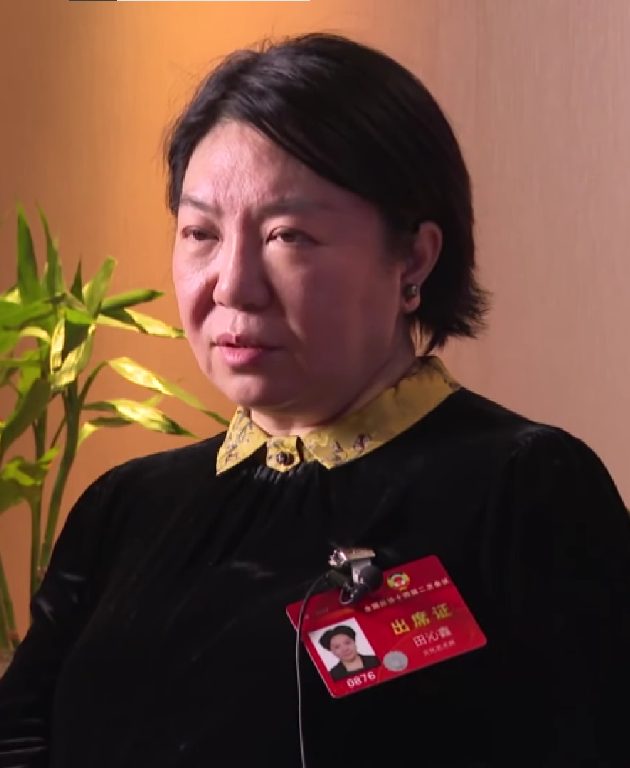
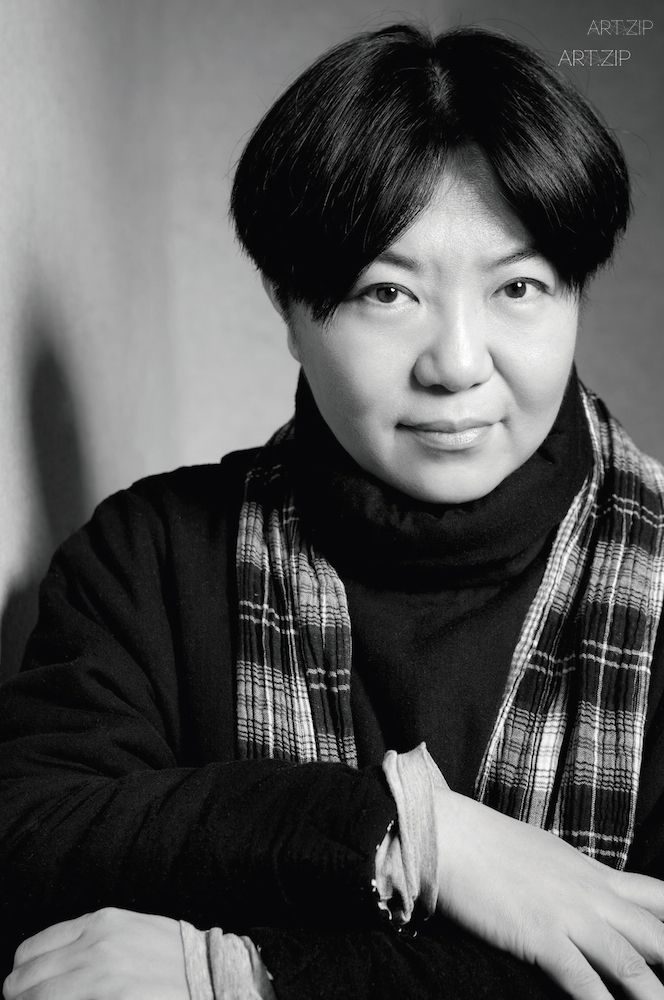
Theatre director and playwright; president of the National Theatre of China (中国国家话剧院), one of the most influential women directors of contemporary Chinese theatre.
- Path — born in 1969; as a child she trained in acting in the 刀马旦 (warrior woman) role type of traditional opera, while also studying music and fine art; she graduated from the directing faculty of the Central Academy of Drama (中央戏剧学院导演系). Since 1997 she has worked as a professional director, and since the early 2000s at the National Theatre of China.
- Early work — her debut 断腕 (1997), which immediately attracted attention; 驿站桃花, 生死场 (1999, after Xiao Hong) — the production won the main state awards: the 文华大奖 grand prix, the Cao Yu Prize for playwriting, the 文华编剧奖 and the 文华导演奖 (2000), and in 2004–2005 it was included in the list of the ten best productions of the national stage art project. Also 狂飙 and 赵氏孤儿 (2003).
- Key productions — 红玫瑰与白玫瑰 (2007, after Zhang Ailing), 明朝那些事儿, 四世同堂 (after Lao She), 青蛇 (2013), 北京法源寺 (2015), 聆听弘一, 抗战中的文艺 (2022), 苏堤春晓, 受到召唤·敦煌; the musical 阿尔兹记忆的爱情, the opera 长征, the kunqu 1699桃花扇 (2005), the Peking operas 宰相刘罗锅 (together with Lin Zhaohua, 2000) and 关圣, and the yue opera 结发夫妻.
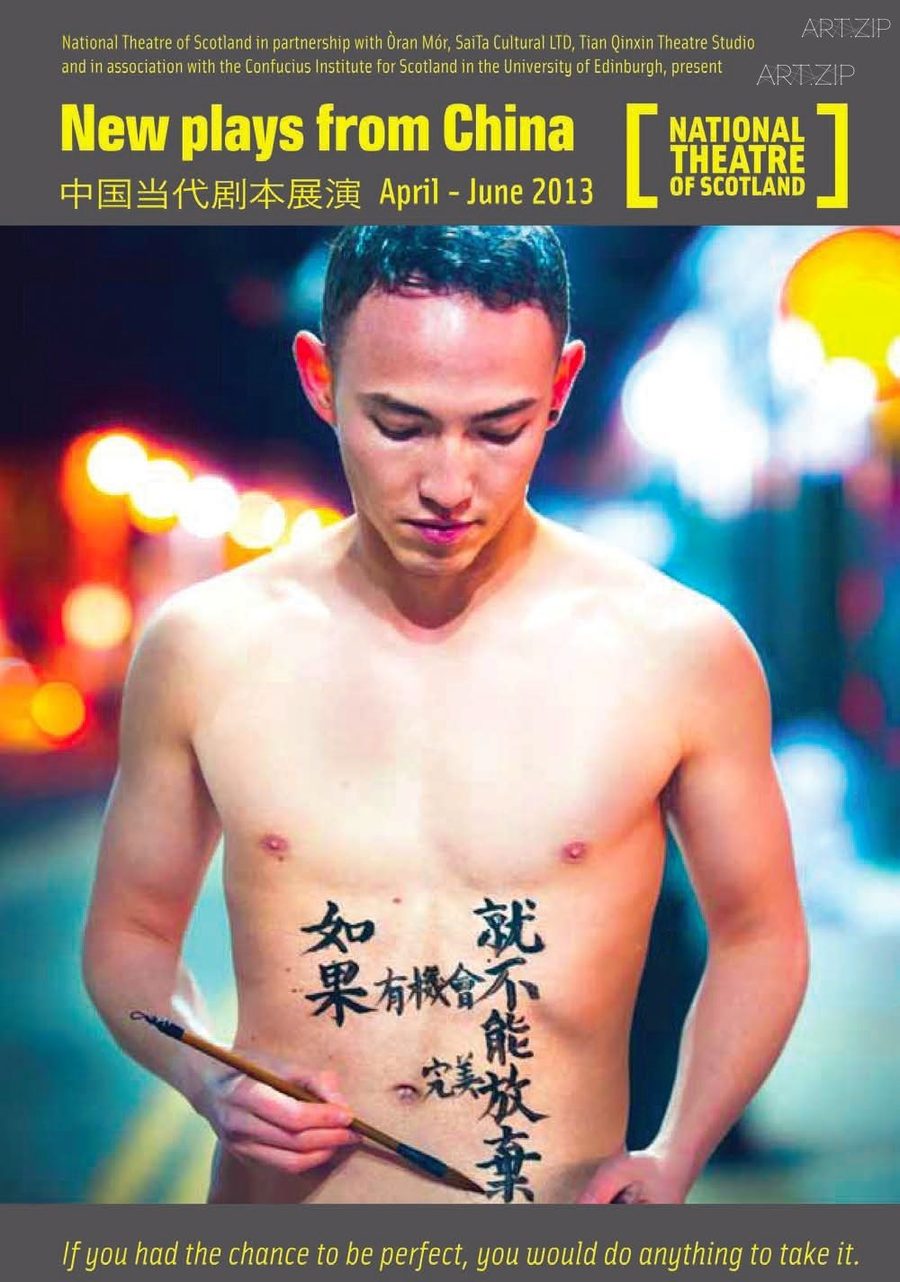
- International work — in 2005 she directed a Korean version of 生死场 for the Michoo Theatre Company, in 2006 a Korean version of 赵氏孤儿, and in 2012 “Romeo and Juliet” at the National Theatre of Korea. 青蛇 was a co-commission of the Hong Kong Arts Festival and the Shanghai International Arts Festival, premiered in Hong Kong in March 2013 (the Lyric Theatre theatre programme, Hong Kong Academy for Performing Arts). The 田沁鑫·新写作计划 (Tian Qinxin New Writing Project) with the National Theatre of Scotland — workshops for young Chinese playwrights, with six final plays staged in Britain in the “A Play, a Pie and a Pint” season (2013).
- Stage and method — she works on “empty space”, where the action is built on the actors’ physicality and the montage of scenes rather than on painted scenery (as in 生死场: a minimum of props, ice, water and mud on the stage floor). She combines the techniques of traditional Chinese opera with Western stage systems; she was influenced by Pina Bausch’s Tanztheater — the subject of her book 我做戏,因为我悲伤. Her set design is distinguished by a dense array of symbolic objects.
- Administrative role — she is currently president of the National Theatre of China (the first woman to head the theatre); a standing member of the 14th National Committee of the CPPCC, vice-chairwoman of the Chinese Theatre Association, chairwoman of the China Drama Association (中国话剧协会主席), a PhD supervisor at the Central Academy of Drama, and deputy director of the Centre for Film, Television and Drama of Peking University. She is the author of the books 我做戏,因为我悲伤, 田沁鑫的戏剧场 and 田沁鑫的戏剧本.

3. Liu Xiaoyi — 刘晓邑 (Huangshi, 1985)
Director, actor, choreographer and puppeteer; founder of the studio 触感实验室 (Touch Lab) and puppetry director of the Chinese version of “War Horse”.
- Path — born on 30 November 1985 in Huangshi (Hubei province); he began at a sports school, then transferred to an arts school and graduated from the Beijing Dance Academy (北京舞蹈学院) top of his year. He works as a director, actor and choreographer, including at the National Theatre of China.
- War Horse — in 2014 he was selected (out of more than 1,500 applicants) for the Chinese version of the production by the National Theatre of Great Britain and the National Theatre of China and became its puppetry director; he learned the technique from the British puppeteer Tommy Luther, operated the head of the horse Joey and played Officer Stewart. The run of the Chinese version became one of the most notable events in the country’s theatre life (2015).
- 触感实验室 — in 2015 he founded the Touch Lab studio to create children’s and physical theatre productions and to develop theatre classes; at the same time he studied Italian improvised comedy and mime-clowning with followers of Jacques Lecoq’s school.
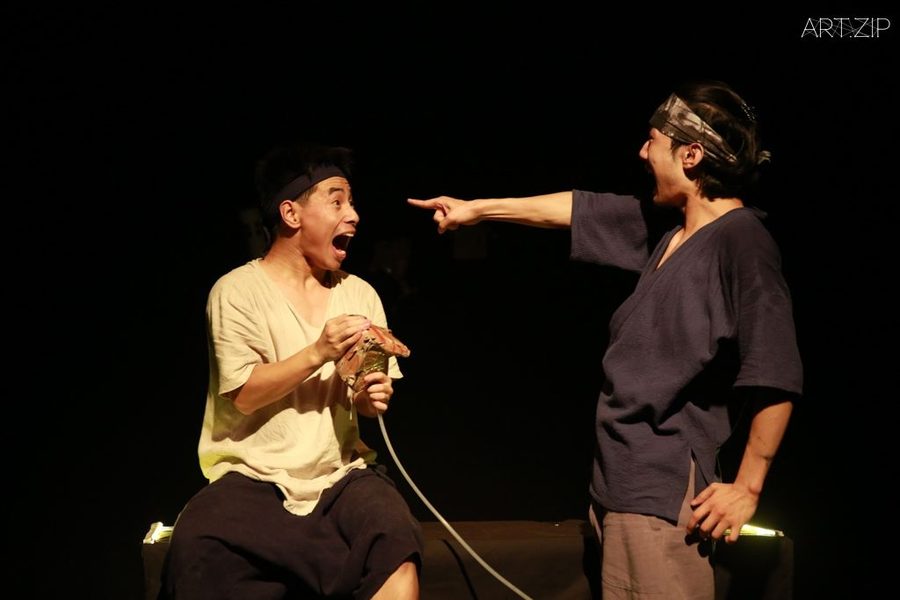
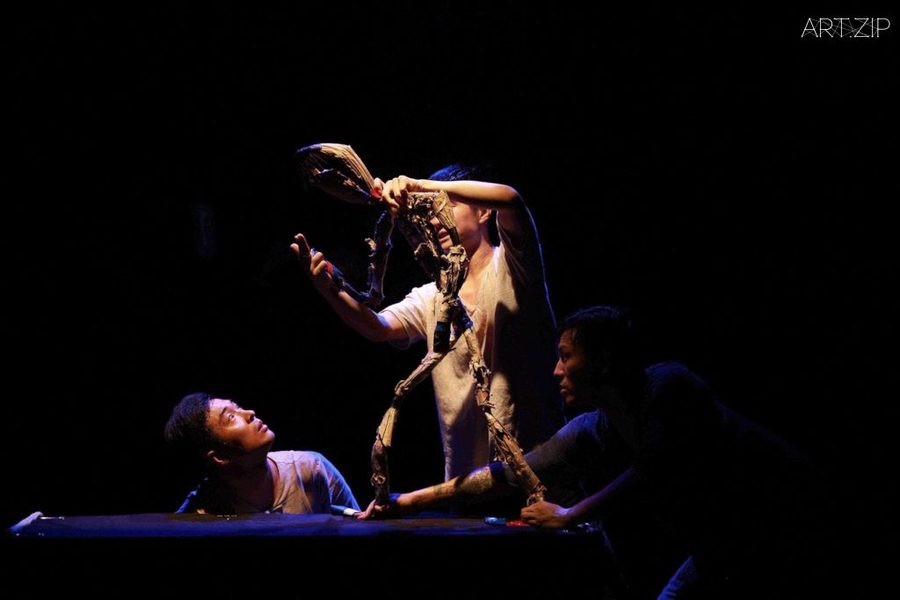
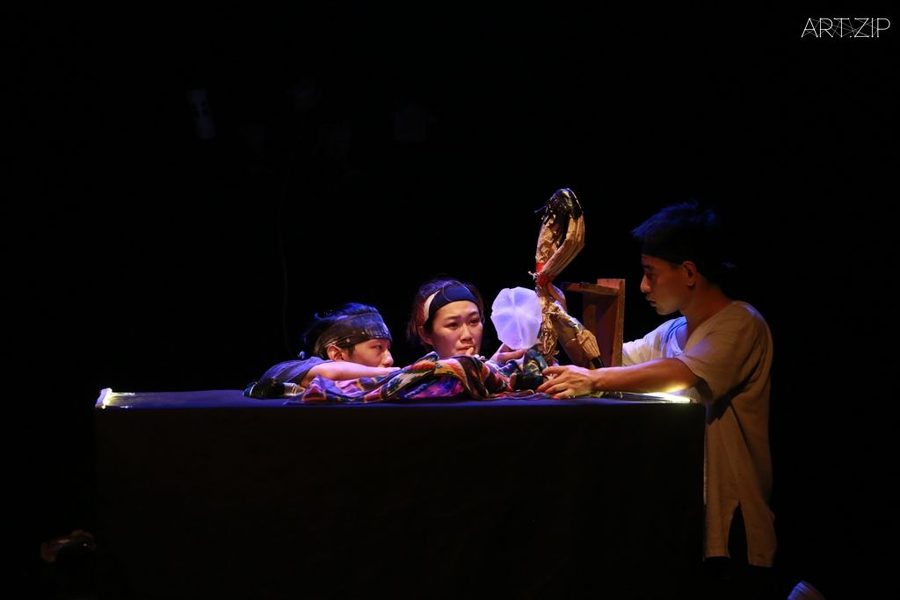
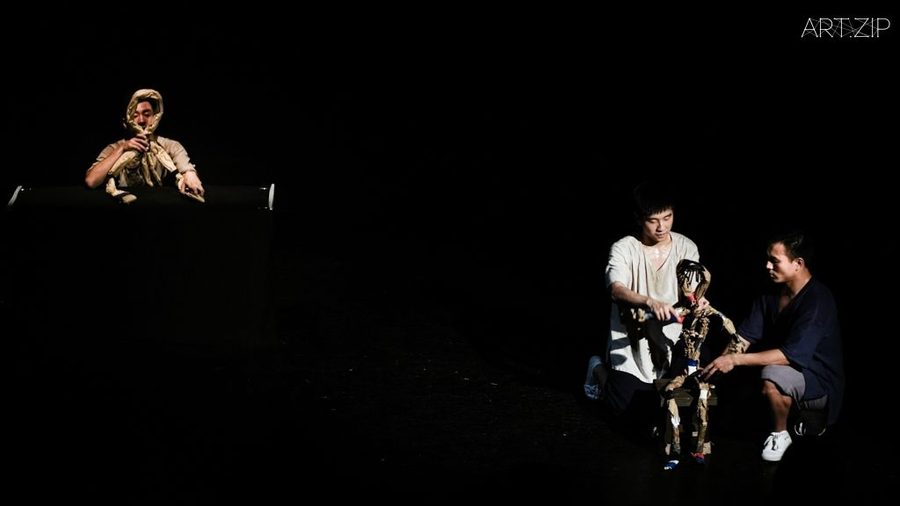
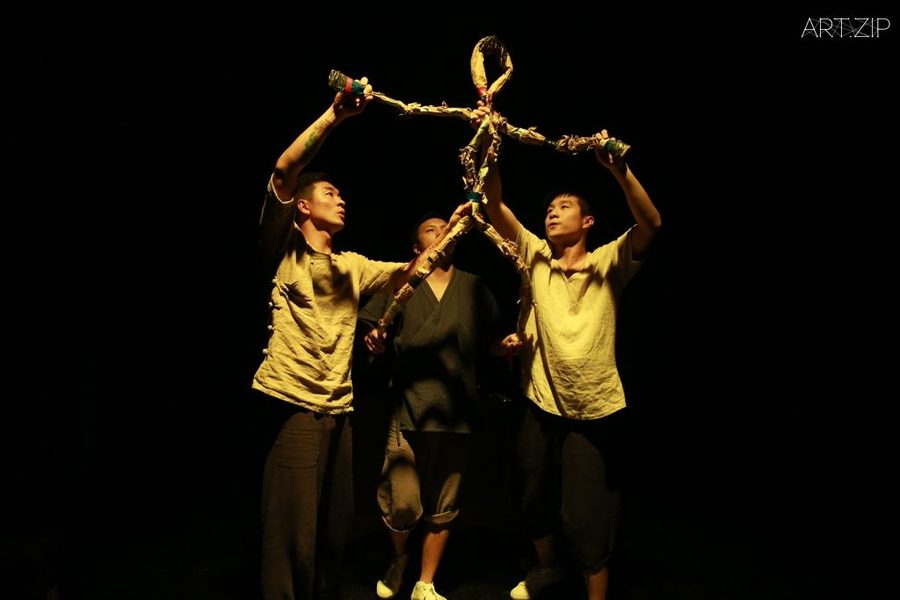
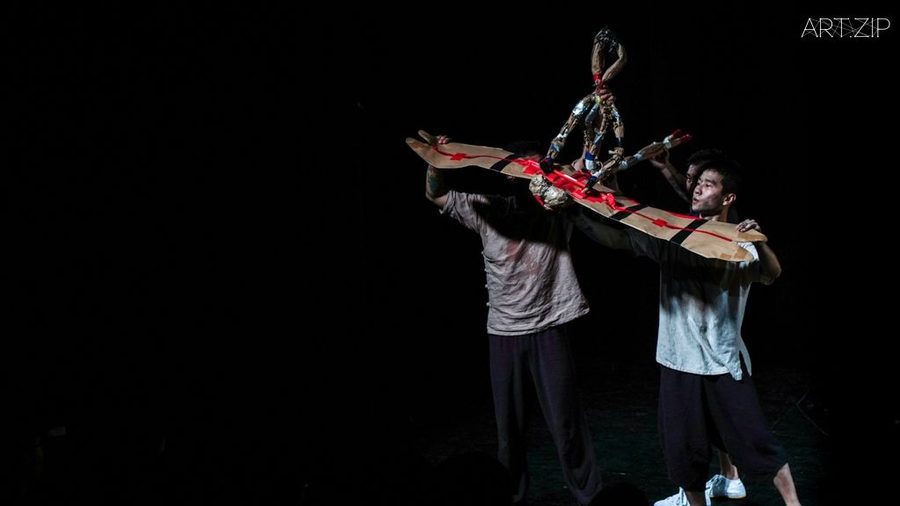
- Puppets and object theatre — 小星球 (2015), 小兵张嘎幻想曲 / 小兵张嘎 (2016) — a production of “three people and one puppet”, in which the character is made of papier-mâché and the action is played on sheets of paper and improvised objects; after its premiere at the Edinburgh Festival (2016) it received five-star reviews and was invited to the Zolotaya Repka festival (Russia), to London’s Southbank Centre (China Changing Festival, 2017) and to the Sibiu festival (Romania). Also 毛线管子大逃亡 and 海 (2016), 零零零 (2017, Tianqiao Arts Center) and 彼得与狼 (2017).
- Other work — 音符环游记 (2018, Beijing Children’s Theatre), the musical 悟空 (2020, SAIC Shanghai Culture Square), the musical 马不停蹄的忧伤 (2018), 深蓝 (Wuzhen Theatre Festival programme); choreographer of the Chinese version of the Broadway musical “Spring Awakening” / 春之觉醒 (2016); a participant in the TV project 戏剧新生活. He is one of the few Chinese directors who work systematically with the puppet, the mask and the object as independent “acting” units of the stage.
4. Huang Ying — 黄盈 (Beijing)
Director and playwright, creator of the “new national drama” (新国剧) movement; doctor of theatre and film art, associate professor on the directing faculty of the Beijing Film Academy, head of the Huang Ying studio (黄盈工作室).
- Path — a native of Beijing; at university he studied biochemistry and molecular biology at China Agricultural University (中国农业大学), and he took a master’s in directing at the Central Academy of Drama; he holds a doctorate in theatre and film art; he is a first-category director and associate professor on the directing faculty of the Beijing Film Academy. He has staged original productions since 1998, and in 2001 he founded 黄盈工作室. By 2023 he had directed more than 50 productions.
- The “Beijing trilogy” — 枣树 (2006), 卤煮 (2009), 马前马前! (2009) — “new Beijing” theatre about the urban environment and the demolition of old districts. 马前马前! ran at the Small Theatre of the National Theatre of China, seating about 70 spectators; the final performance ended with the audience dismantling the set themselves, after which the theatre courtyard in Mao’er hutong was demolished.
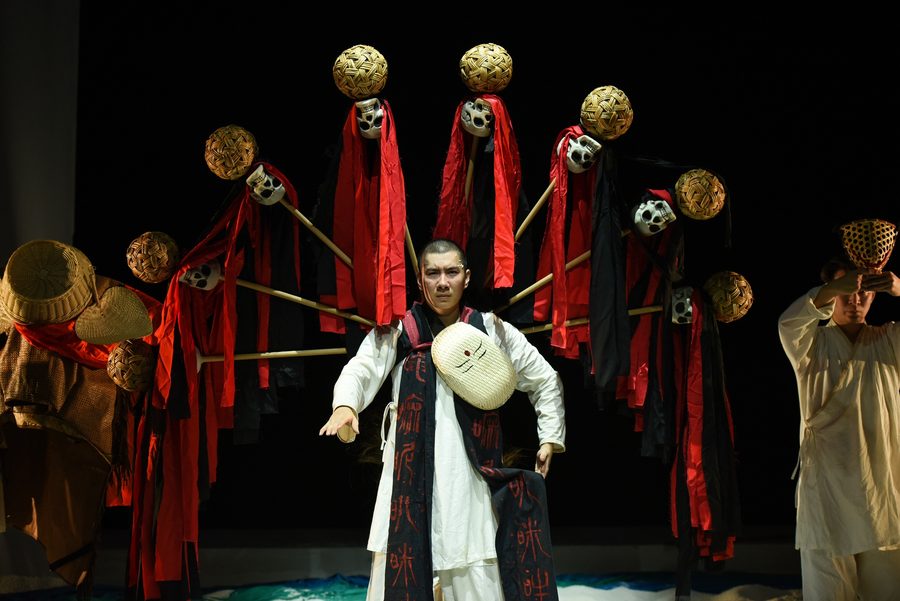
- New national drama — 黄粱一梦 (2011), after the Tang dynasty tale 枕中记: it premiered at the Avignon Festival (2011), with around a hundred performances in five countries of Europe and Asia in total; on stage the actors wash and cook millet, and after the performance they serve the audience porridge (in Hamburg and Frankfurt — 2014). 西游记 (2023), after “Journey to the West”, in the form of nuo opera, with masks, elements of Peking and kunqu opera and the guzheng; it premiered at the 2023 Guilin Festival, and at the Edinburgh Festival that same year the production won the Asian Arts Award for best direction.
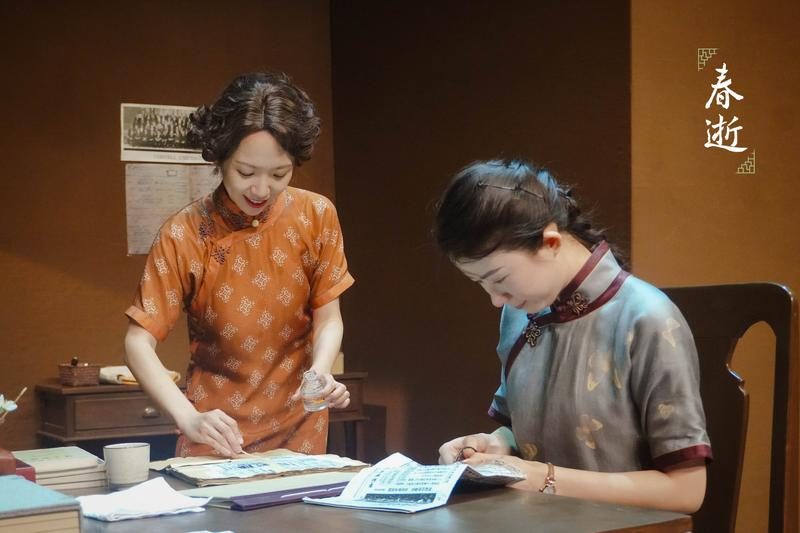
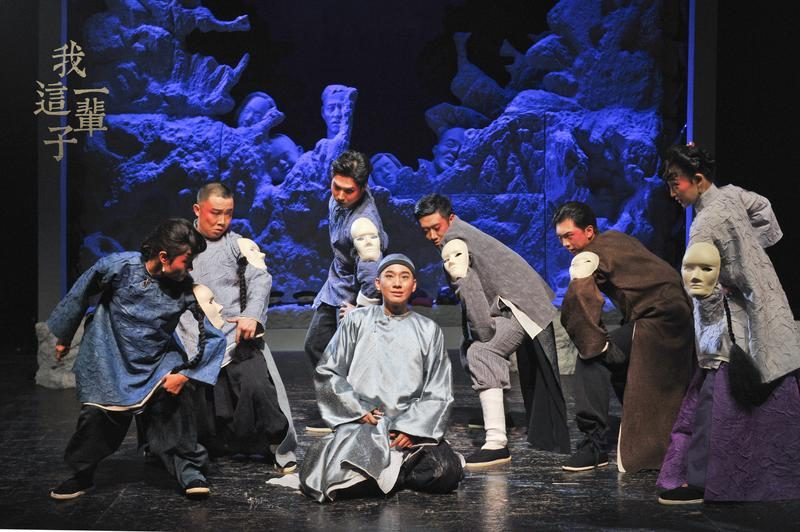
- Other work — 未完待续, 语文课, 打开一九九〇, 福寿全, 我这半辈子, 点心, 断金, 钟鼓楼, 花式如期, 开饭!, 孔丘——当我们在谈论孔夫子的时候,我们在谈些什么? (a seven-hour “marathon”, 2023), 十字街头 and 乌鸦与麻雀 (National Centre for the Performing Arts). 麦克白 (2014) — a production in Tadashi Suzuki’s method, shown at the Japanese theatre SCOT (利贺).
- Image and object on stage — since 2009 he has experimented with video and multi-camera filming in the theatre (for the first time in 都, 2011, a combined version of the “Beijing trilogy”). His productions are built on “Chinese material” — real objects, food, paper and masks — instead of painted scenery. In the production 黄粱一梦 the narrator was played by the theatre figure Fu Weibo (傅维伯).
- Recognition — winner of the Asian Arts Award of the Edinburgh Festival for best direction, the 田汉戏剧奖 (for text) and others; in 2009 he was named “New Young Artist of the Year” by the newspaper 新京报.
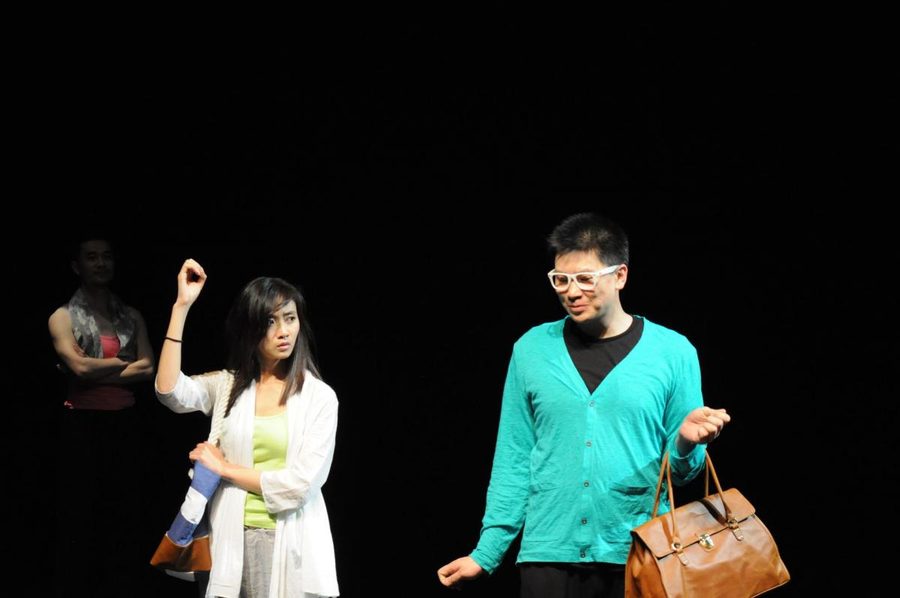
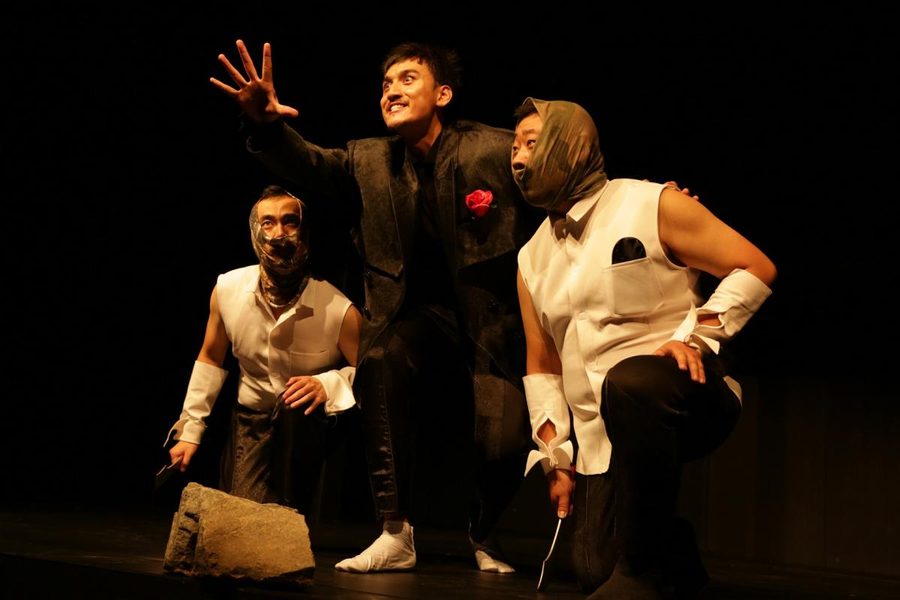
5. Fu Weibo — 傅维伯 (Beijing, 1955)
Theatre figure, producer and organiser; the first director of the Small Theatre of the Beijing People’s Art Theatre, known in the profession as “the father of the Chinese small theatre” (中国小剧场之父).
- Path — born on 11 August 1955; in 1972 he graduated from the Beijing Art School (北京艺术学校) as a dramatic actor; from 1974 he was an actor at the Beijing People’s Art Theatre (北京人民艺术剧院), in 1980 head of production (剧务) and assistant director, in 1983 deputy head of the touring department, in 1985 deputy director of the Capital Theatre (首都剧场); in 1989 he left to study in Japan.
- 绝对信号 — in 1982 he worked as assistant director (stage manager) on Lin Zhaohua’s production 绝对信号 (Absolute Signal) — a play regarded as the first small-theatre production in mainland China. It premiered in August 1982 in the rehearsal hall of the Beijing People’s Art Theatre; the set consisted of a few boxes and steel frames, and the audience sat right up against the stage.
- The small theatre — in the mid-1990s, returning from Japan, he became the first director of the Small Theatre of the Beijing People’s Art Theatre (opened in 1995 next to the Capital Theatre), starting out with 1,000 yuan and one member of staff. He devised support schemes for young authors, invested his own money and introduced a “shareholding” distribution of the takings — as in Li Liuyi’s 非常麻将: the playwright and the director received 20%, three actors 15% each, two producers 15% each, and 5% went to the stage crew.
- Producing — among the productions he has produced, financed and supported: 恋爱的犀牛, 盗版浮士德, 非常麻将, 切·格瓦拉, 圣人孔子, 鲁迅先生, 霸王别姬, 俄亥俄小姐, 天上人间, 皮脸, 玩偶, 我的教室.
- Organisation — since 2004 at the National Theatre of China; he was responsible for launching and running the Dongfang Xianfeng Theatre (东方先锋剧场, now 国话先锋剧场, opened in 2005). He is one of the founders and organisers of the National Student Theatre Festival (2001–2006), the Beijing International Youth Theatre Festival (北京国际青年戏剧节) and the showcase “young directors outside the system” (体制外优秀青年导演作品展); deputy chairman of the organising committees of the Small Theatre Seasons of the 7th and 8th China Theatre Festivals; director of the Small Theatre Committee of the China Performing Arts Association. Huang Ying, Gu Lei, Shao Zehui, Zhao Miao, Li Jianjun and Wang Chong all came through these venues.
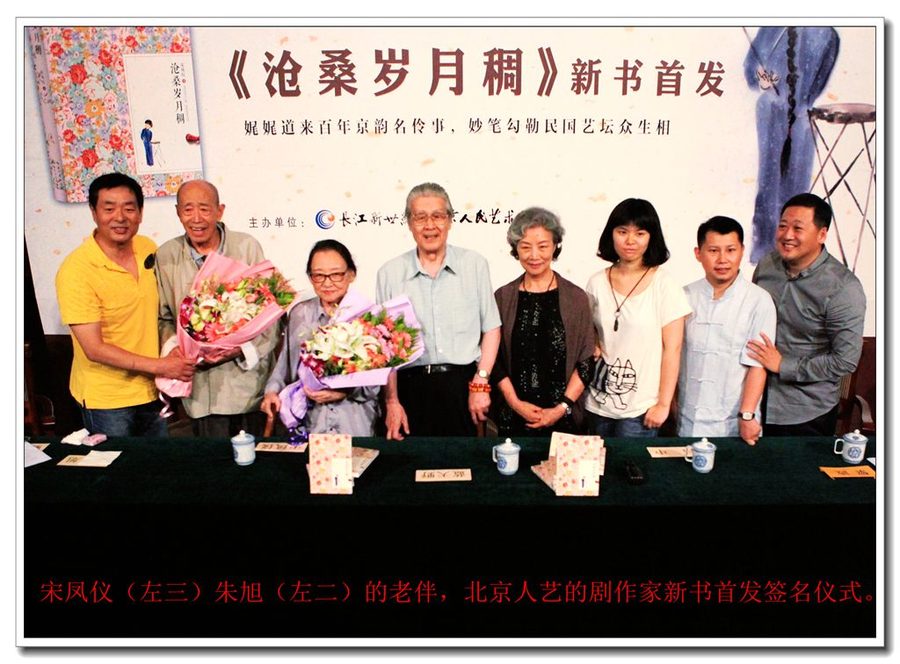
- Stage and object — in 2011, as an actor, he played the narrator in Huang Ying’s production 黄粱一梦 (premiered at the Avignon Festival): he read the text of the tale from an electronic device against the backdrop of millet being cooked live on stage. Now retired, he continues to support young authors.