survey_54 — art villages and residencies
1. Songzhuang — 宋庄 (founded 1994)
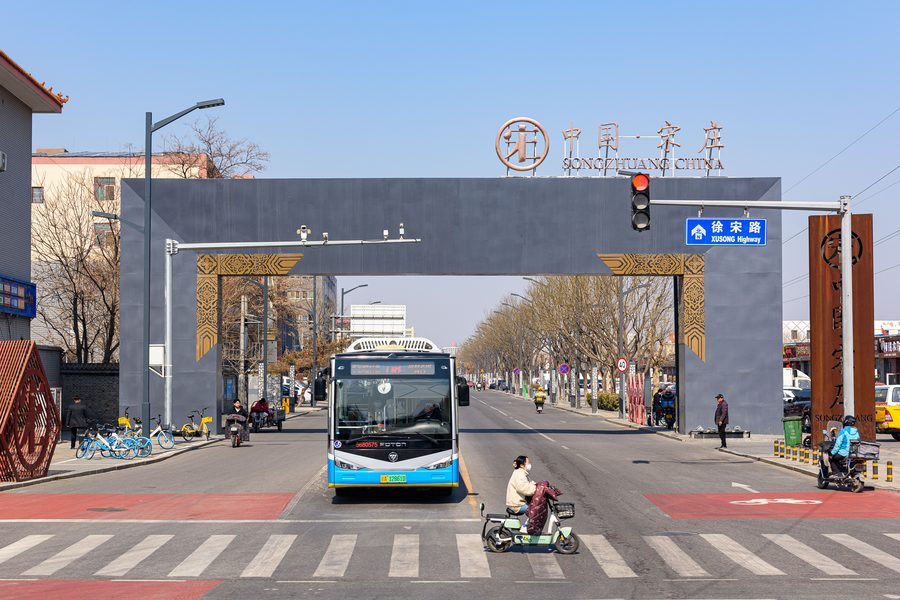
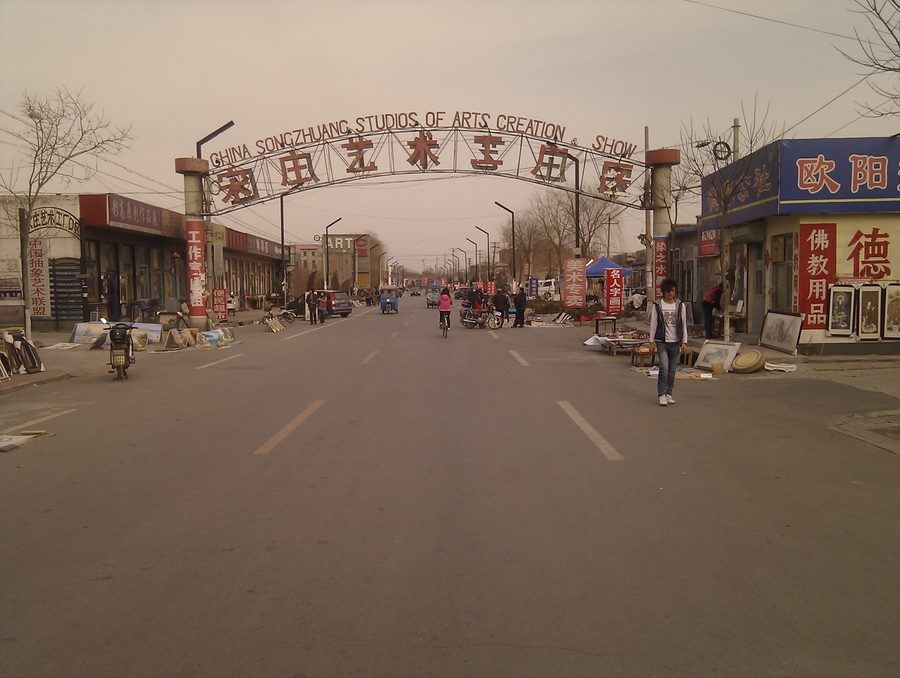
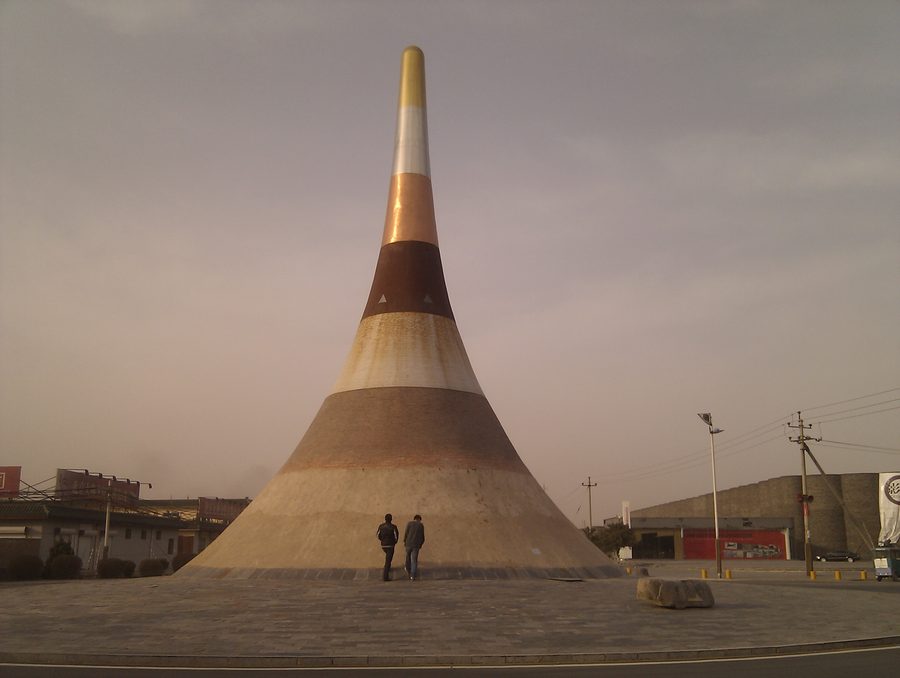
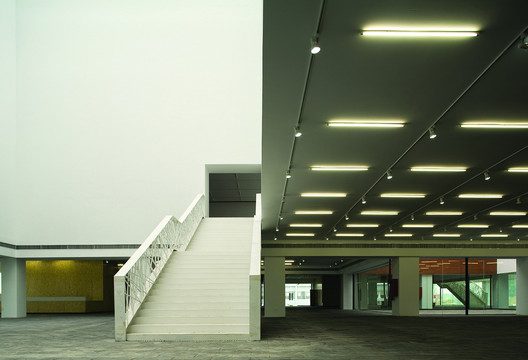
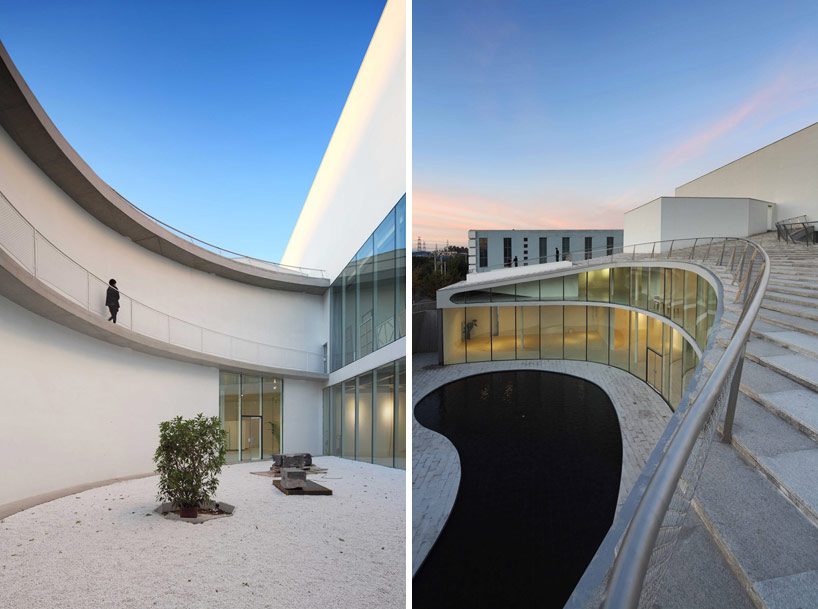
China's and the world's largest artists' colony, in the Tongzhou district east of Beijing: about thirty villages where thousands of artists live and work, with an annual arts festival and a whole chain of museums and galleries.
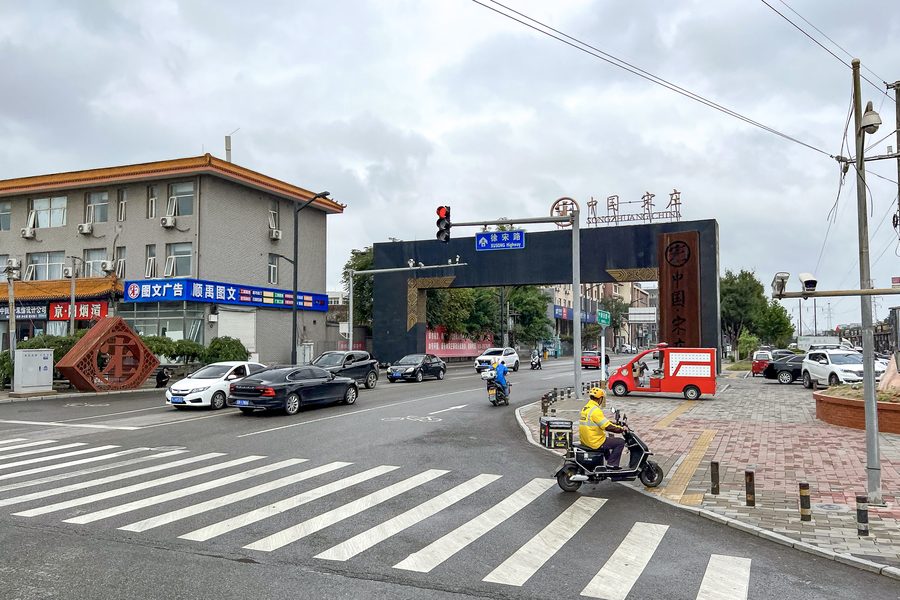
- What it is — an art village and artists' colony in Songzhuang township (宋庄镇), Tongzhou district, about 20 km east of central Beijing, between the Chaobai and Wenyu rivers; the historic core is the villages of Xiaopu (小堡) and Xiaobao, united by the project “China·Songzhuang” (中国·宋庄).
- When it arose — in 1994 the artists Fang Lijun, Yue Minjun, Liu Wei and Zhang Huiping moved here from the demolished “Yuanmingyuan artists' village”, and the critic Li Xianting and others followed; in 2004–2006 the local authorities turned the spontaneous settlement into the “Songzhuang Art Village” and a cultural industry base.
- Its role today — the world's largest art cluster: by various estimates between two and seven thousand artists, dozens of galleries and museums (the Songzhuang Art Museum, 宋庄美术馆, 2006), an annual arts festival; at the same time the area remains a zone of redevelopment and demolition for Tongzhou construction.
.jpg)
.jpg)


.jpg)
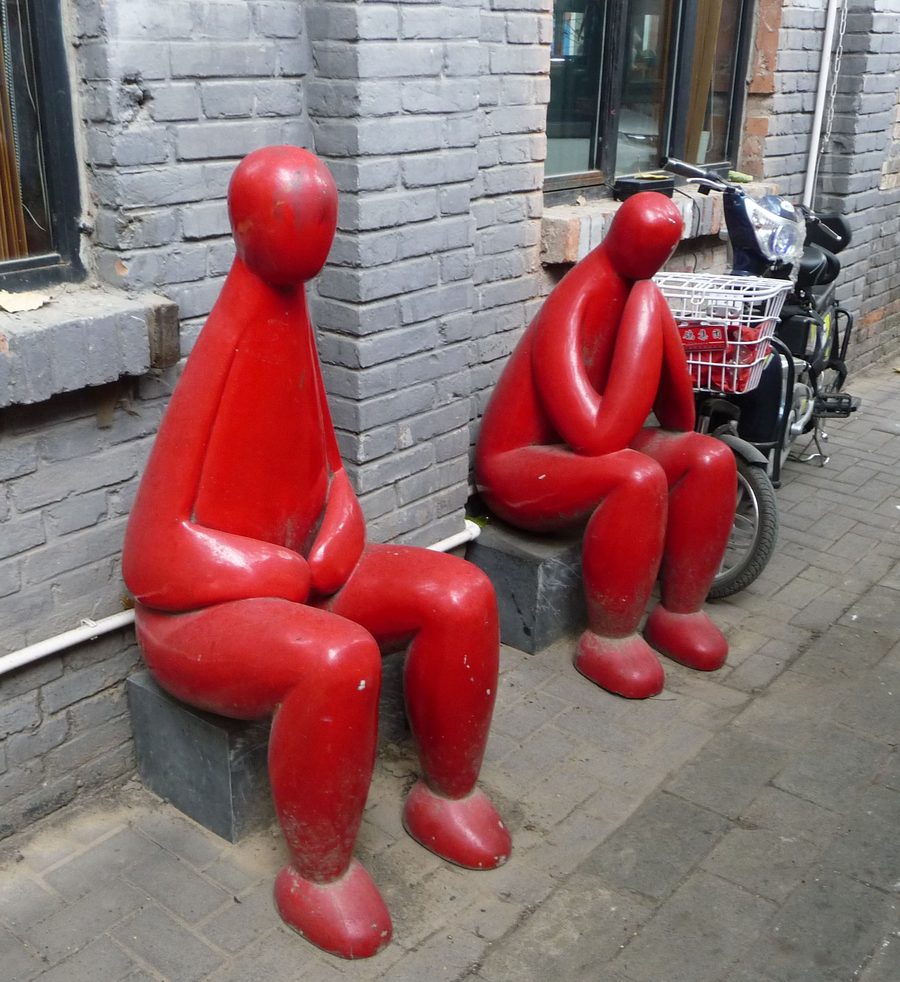
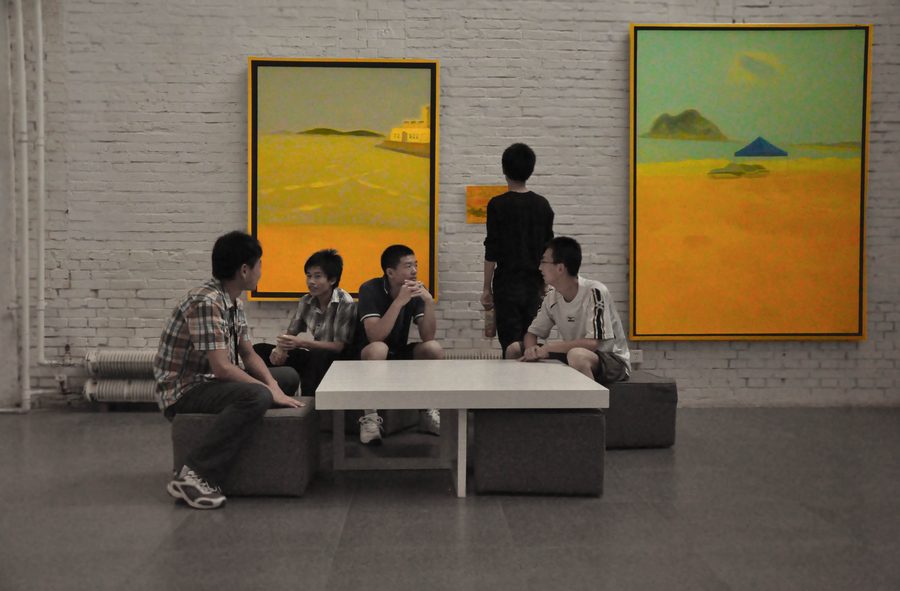
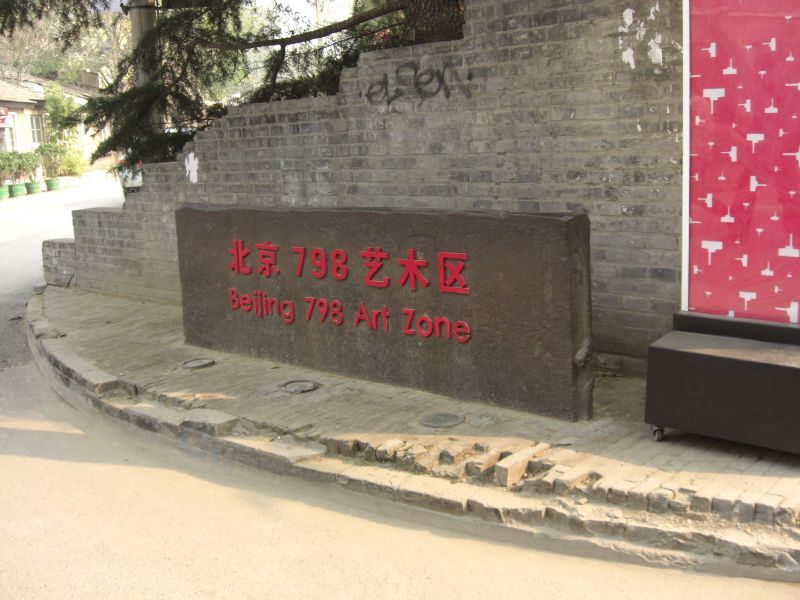
2. 798 (Dashanzi) [798 Art District] — 798艺术区 (founded 2002; buildings 1954–1957)
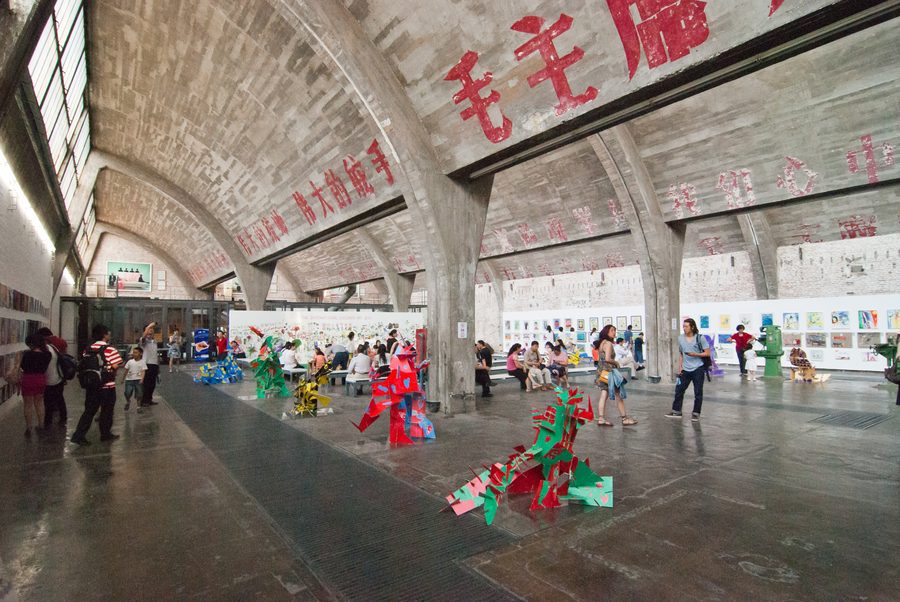
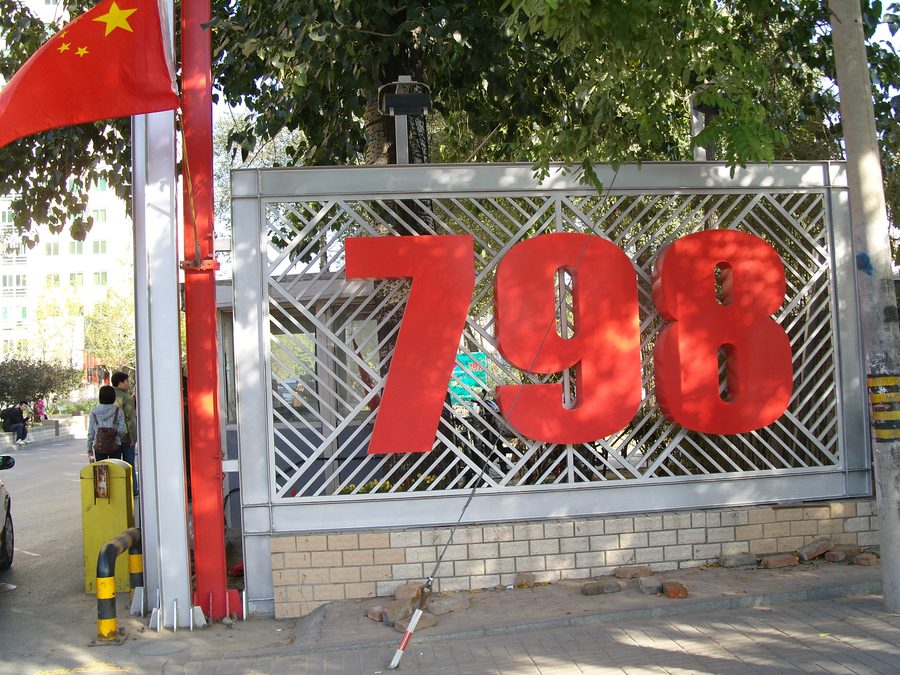
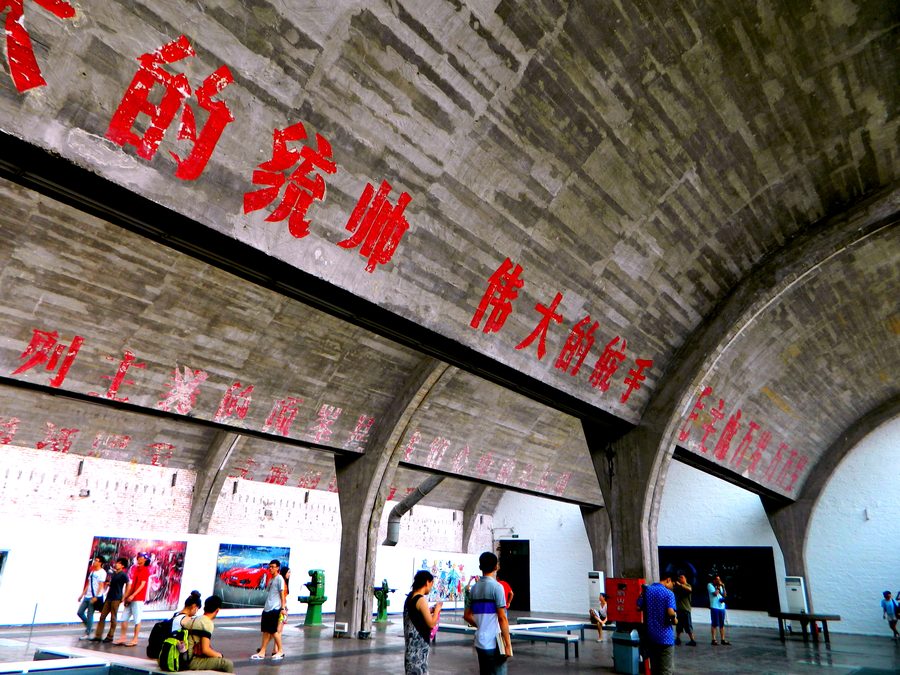
Beijing's best-known contemporary art quarter, in the Chaoyang district, grown in the workshops of the former “Jiehe 718” electronics plant in Bauhaus style; a gallery and tourist centre with roughly 400 spaces.
- What it is — the Dashanzi art district (大山子艺术区, DAD) in the Chaoyang district of north-east Beijing, whose core is the buildings of the former “Joint Factory 718” (华北无线电联合器材厂), built in 1954–1957 with the participation of the USSR and the GDR in a functionalist Bauhaus style; the whole quarter takes its name from Factory No. 798.
- When it arose — from 2000–2002 artists, sculptors and designers began to rent the empty workshops; among the first were Sui Jianguo, Huang Rui, the photographer Xu Yong and the American publisher Robert Bernell with the Timezone 8 bookshop, and in 2006 the district officially received the status of a creative industry zone.
- Its role today — the main showcase of Chinese contemporary art and a tourist magnet: about 400 galleries, studios, design offices and cafés, including UCCA (2007), Long March Space and Pace Beijing, while the complex itself remains Asia's largest surviving Bauhaus industrial complex.
site wechat: 798arts






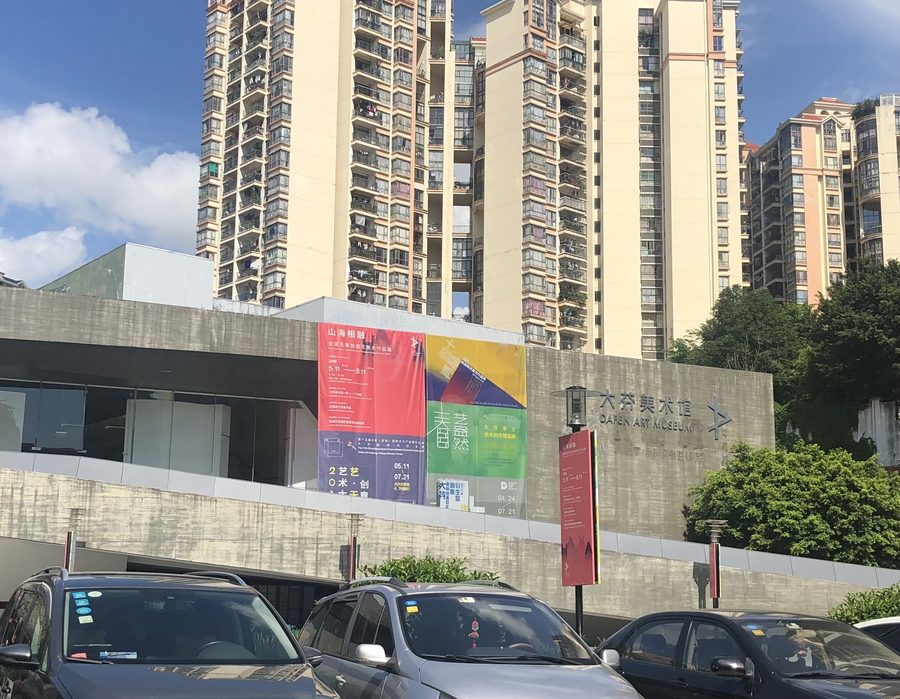
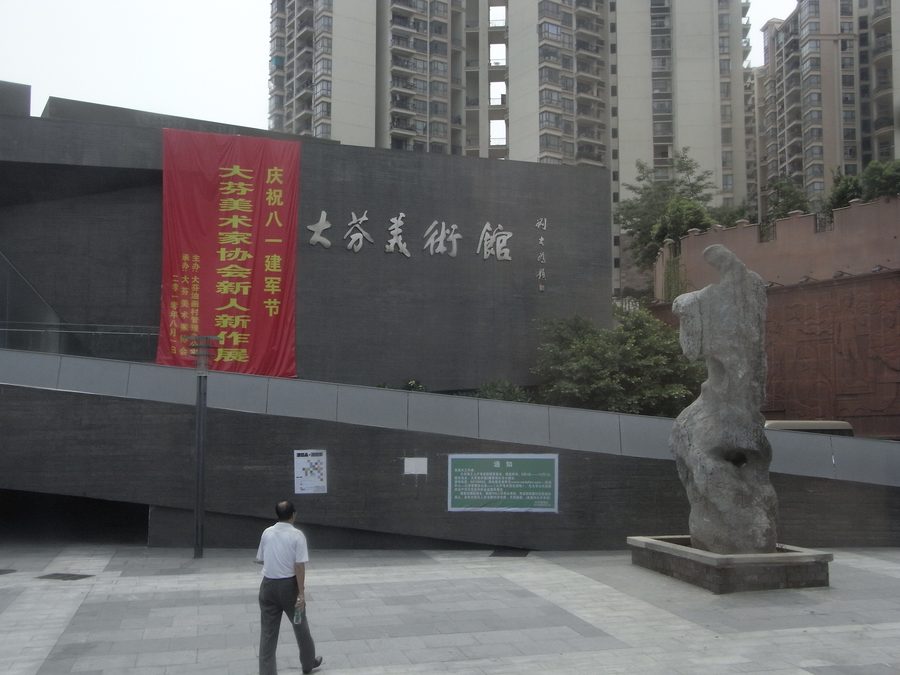
3. Dafen [Dafen Village] — 大芬村 (founded 1989)
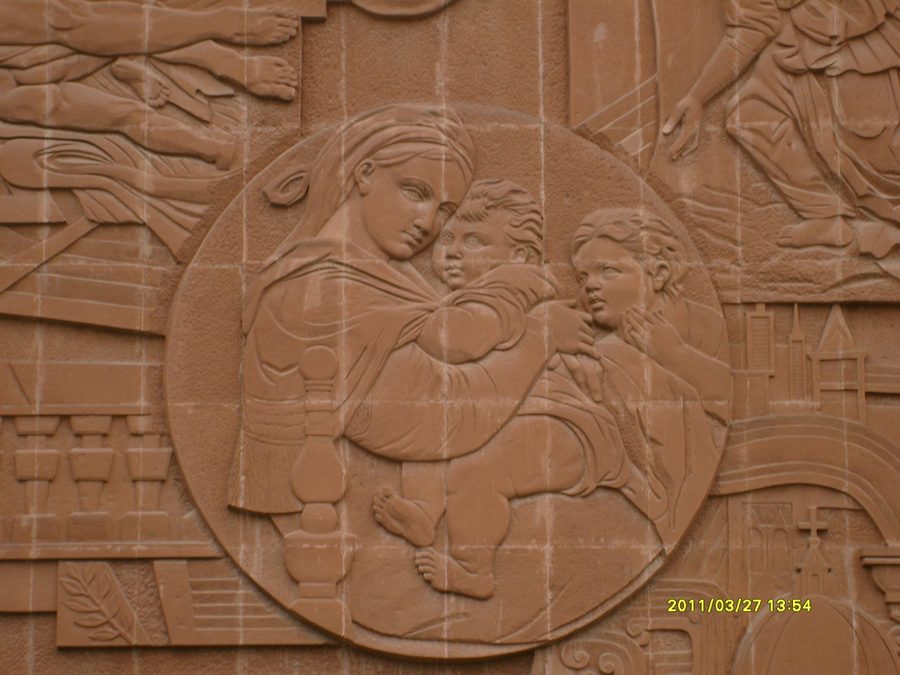
A village in Longgang district, Shenzhen, known as the “No. 1 oil painting village”: workshop-based copy and commissioned painting, galleries, a museum and a tourist art market over 0.4 km².
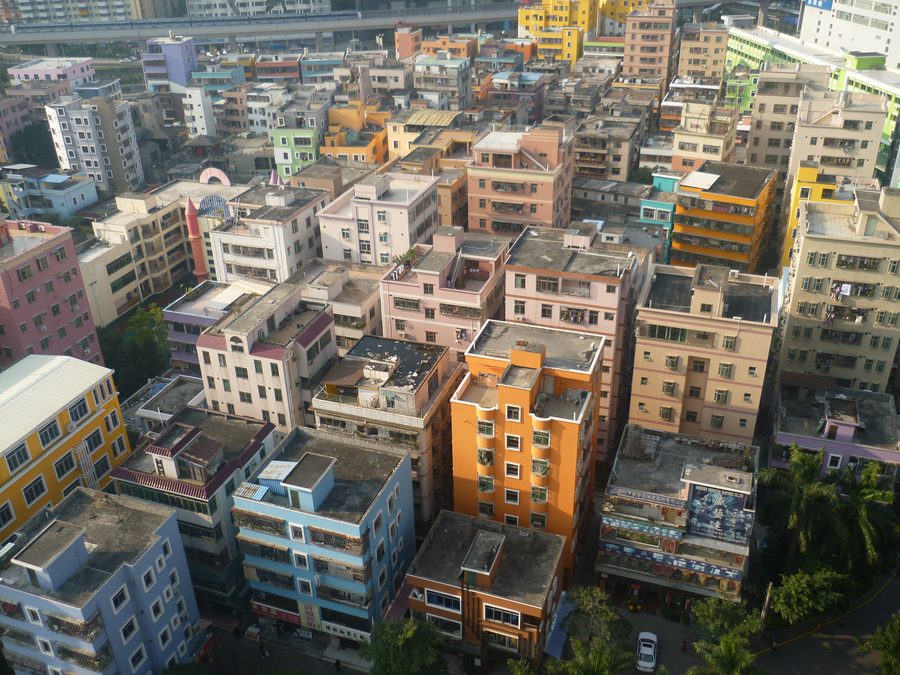
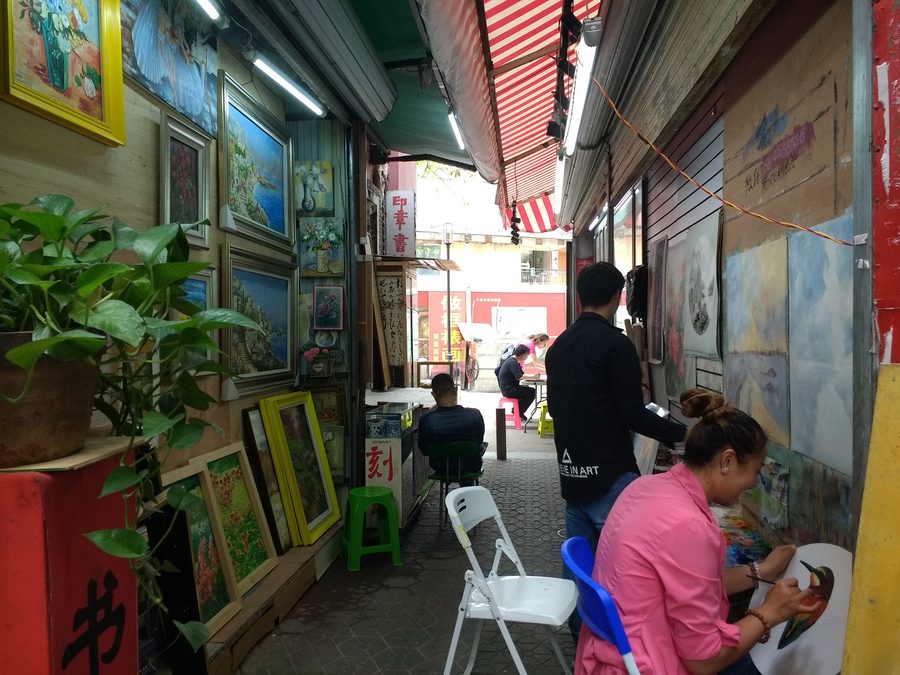
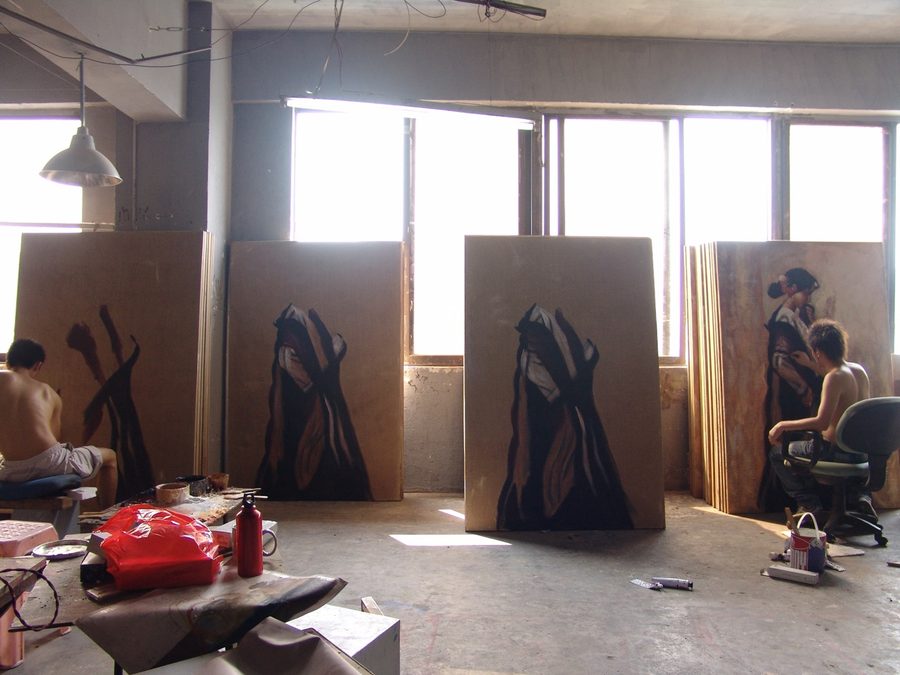
- What it is — Dafen village (大芬村) in Longgang district, Shenzhen, in Guangdong province; a once ordinary village has become the world's largest cluster of hand-painted reproduction oil painting and its related industry (frames, paints, packing, logistics).
- When it arose — in 1989 the Hong Kong artist-entrepreneur Huang Jiang (黄江) rented a house here and set up assembly-line copying of works by Van Gogh, da Vinci, Rembrandt and other masters; by the mid-1990s hundreds of painters worked in the village, and in 2004 Dafen received the status of a national cultural industry base.
- Its role today — after the 2008 global financial crisis the emphasis has gradually shifted from copies to original work and cultural tourism; the Dafen Art Museum (大芬美术馆, 2007), hundreds of galleries and studios, an art market and educational programmes operate here, though a significant share of the world's reproductions is still produced in the village.
.JPG)
.JPG)





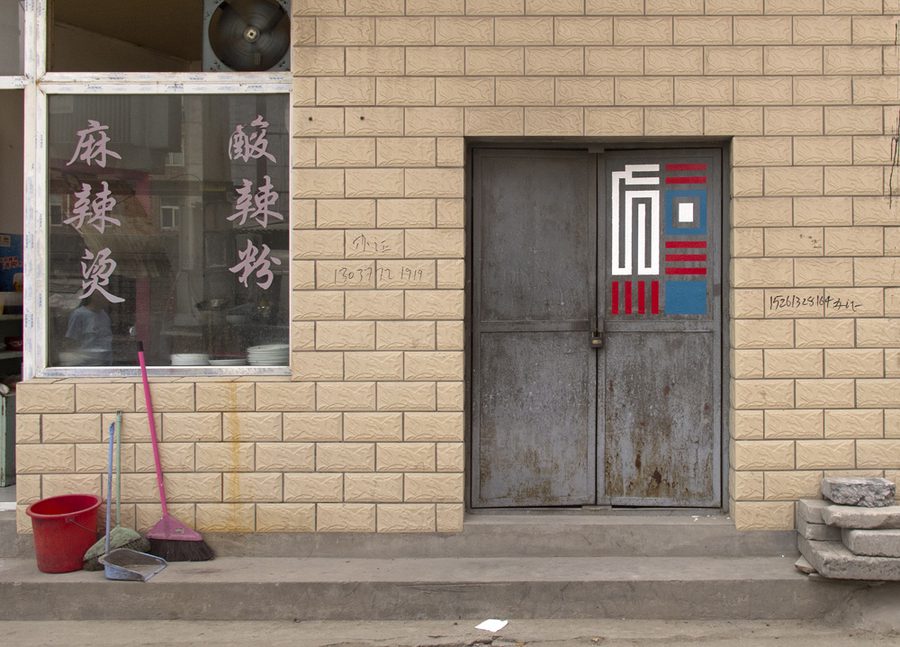
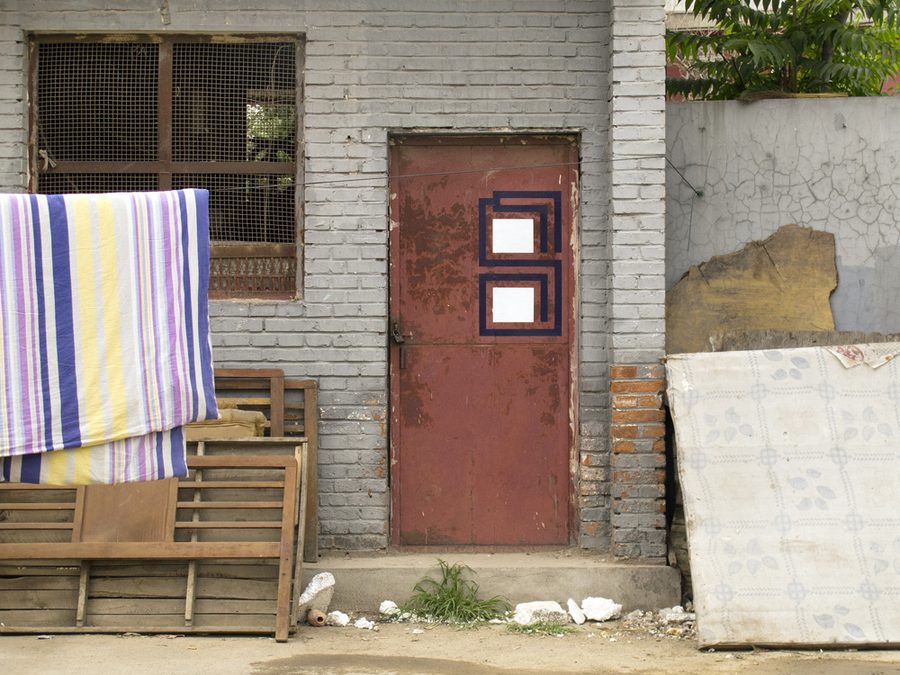
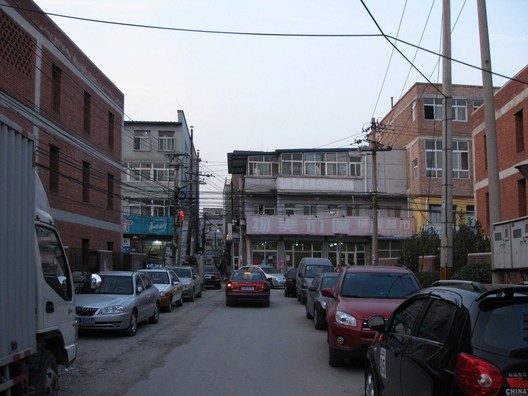
4. Caochangdi — 草场地 (founded c. 2000)
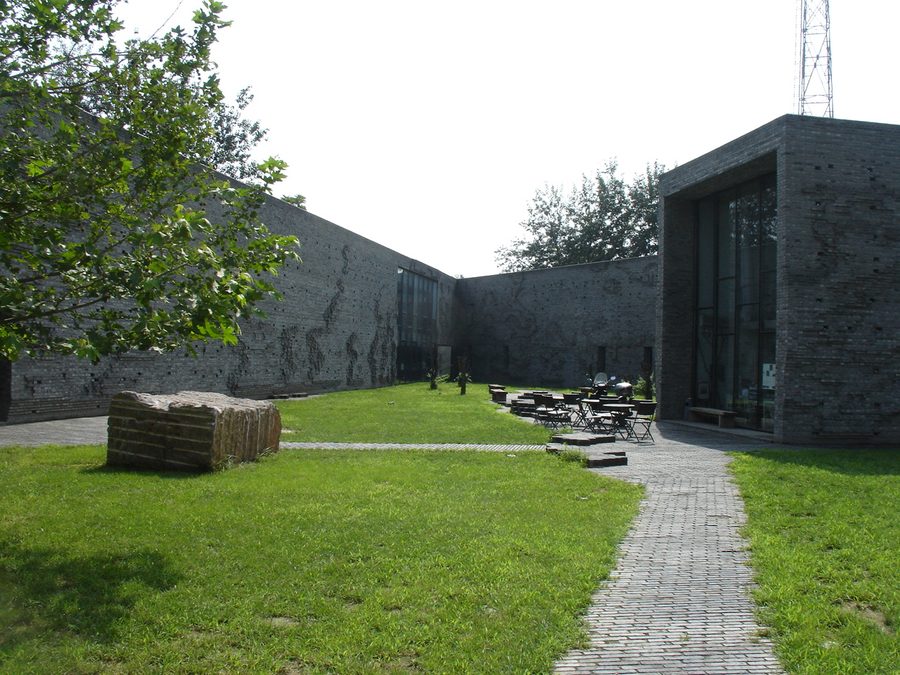
An art village between 798 and the airport expressway in the Chaoyang district, Beijing: studios, galleries and the country's first photography centre, grown around Ai Weiwei's studio.
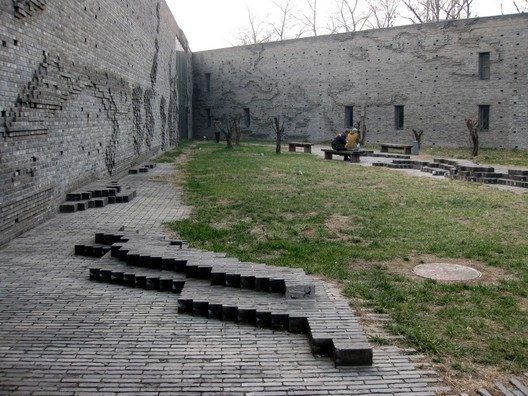
- What it is — Caochangdi village (草场地, “grass field”) in the Chaoyang district of north-east Beijing, about two kilometres from 798; an art village with galleries, studios and characteristic grey-brick architecture designed by Ai Weiwei.
- When it arose — around 2000 Ai Weiwei moved his home, studio and the China Art Archives and Warehouse project here, and galleries followed (Galerie Urs Meile, Pékin Fine Arts, Chambers Fine Art, Platform China); in 2007 the Three Shadows Photography Centre (三影堂, Three Shadows), designed by Ai Weiwei, opened.
- Its role today — an international centre of contemporary art and photography (around 300 galleries and studios), home to the PhotoSpring photography festival and to Platform China residencies; at the same time the area is constantly under threat of demolition amid Beijing's urban development.



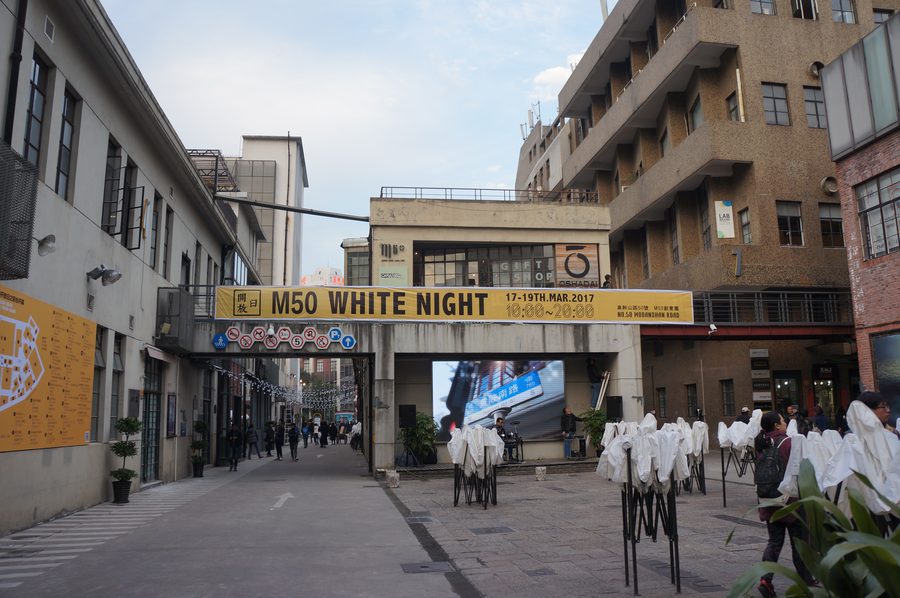
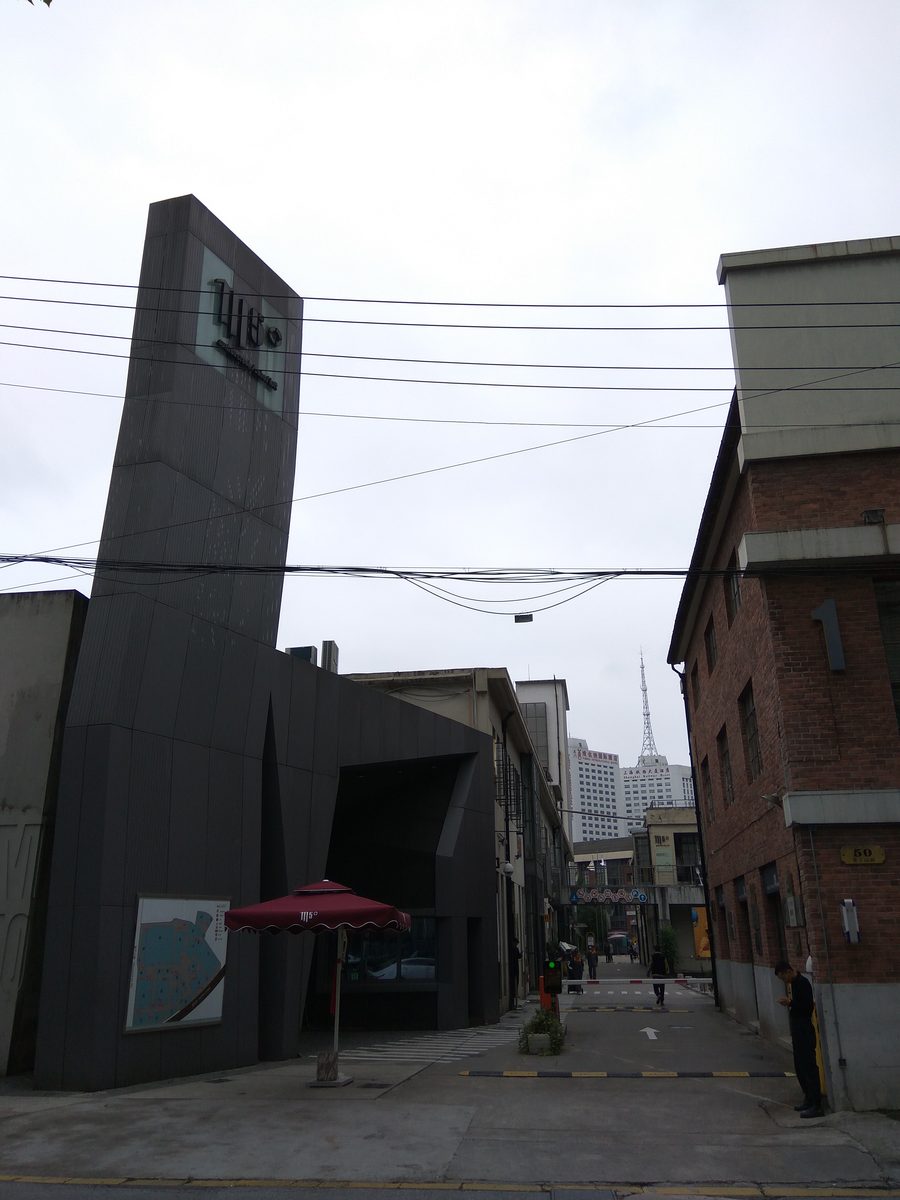
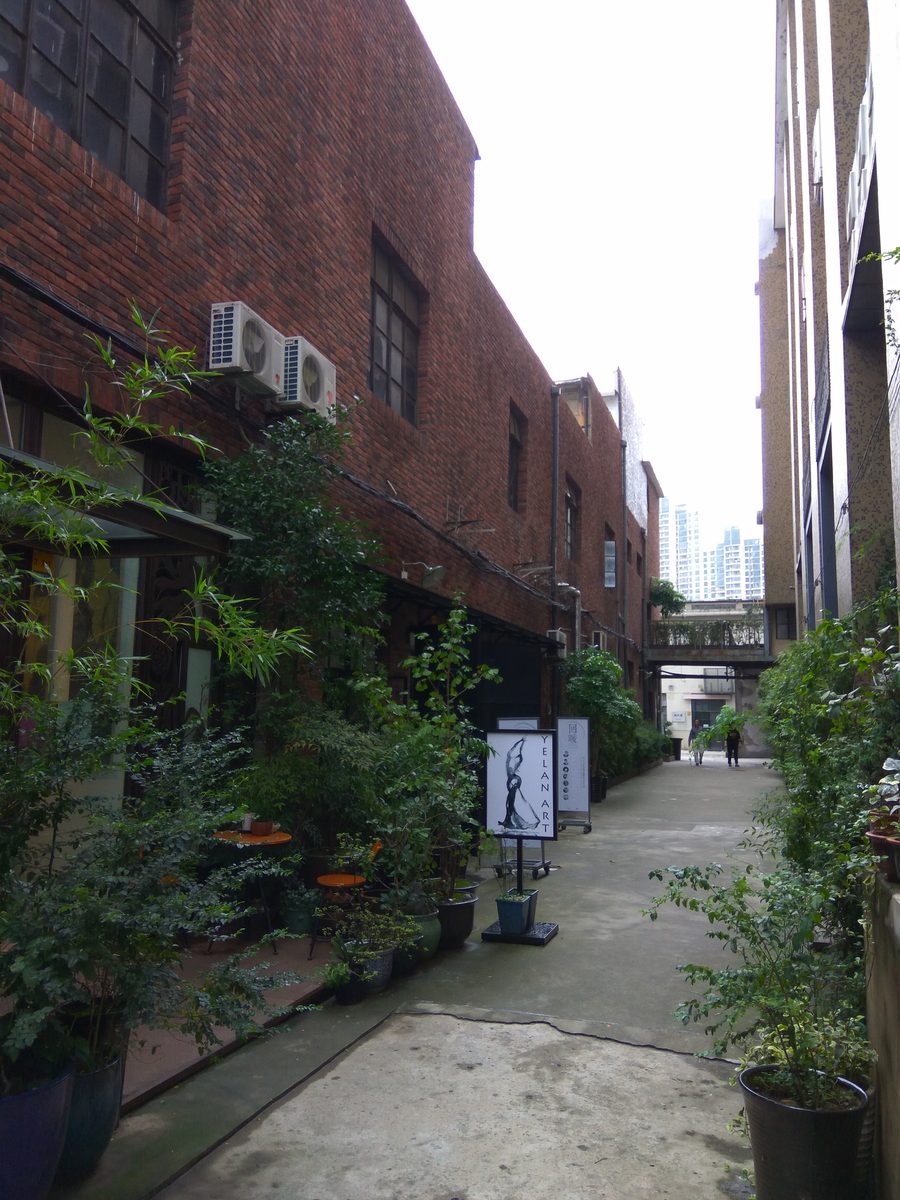
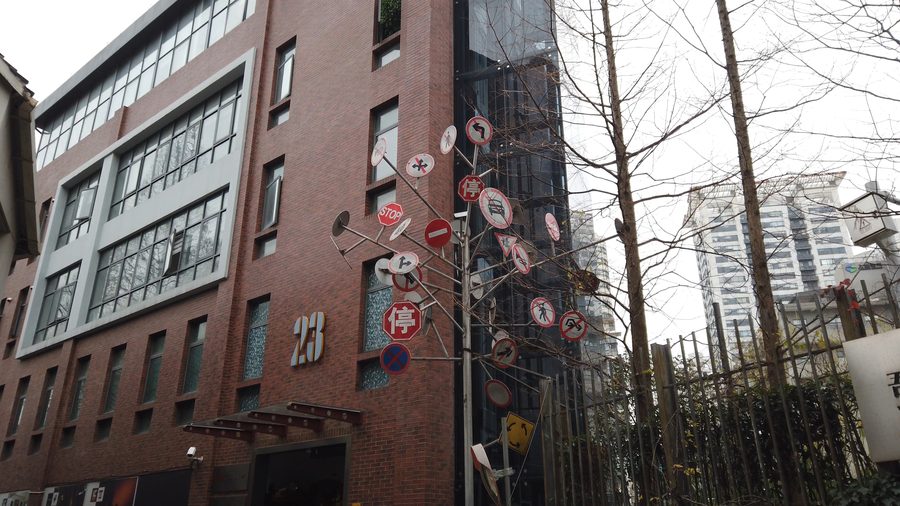
5. M50 (50 Moganshan Road) [50 Moganshan Road (M50)] — 莫干山路50号 (founded 2000)
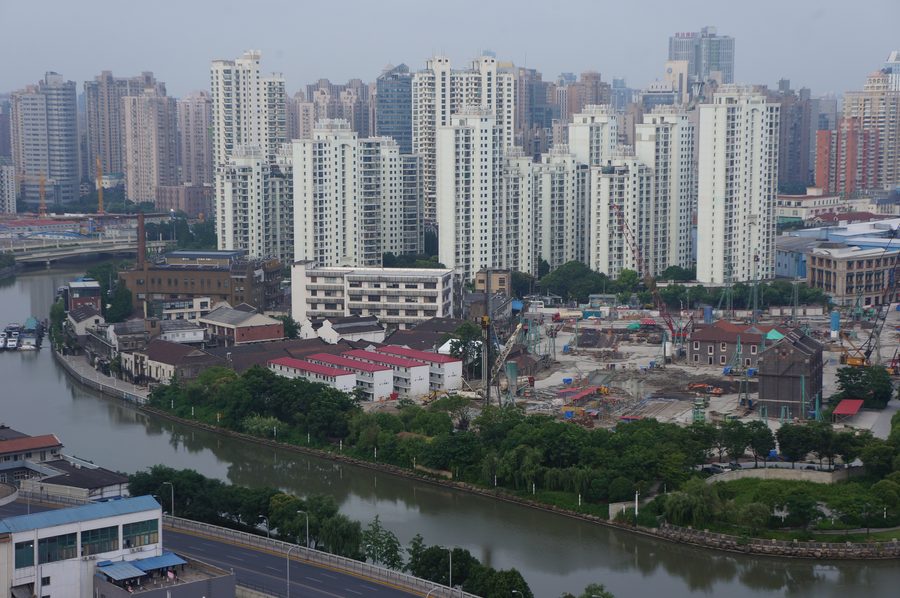
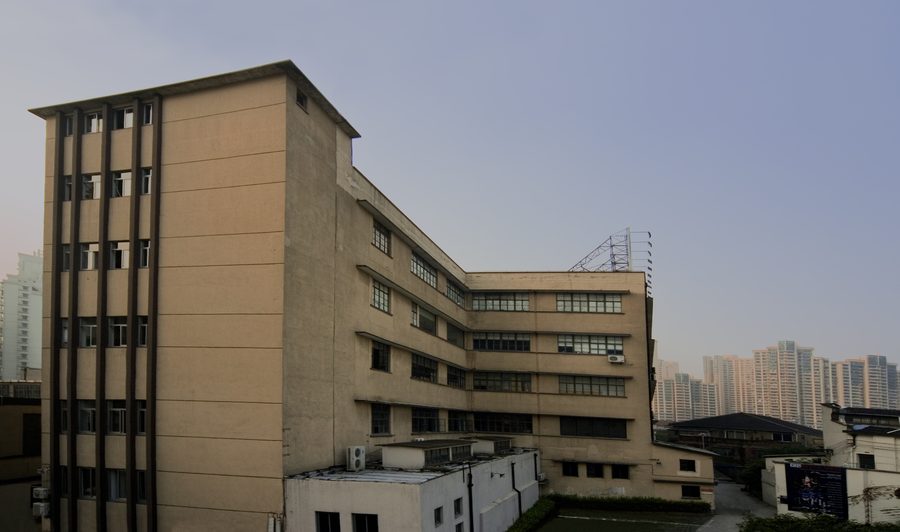
Shanghai's first and most enduring art quarter, on the Suzhou Creek embankment in the Putuo district: galleries and studios in former 1930s textile buildings.
- What it is — M50 (“50 Moganshan Road”) in the Putuo district on the south bank of Suzhou Creek in Shanghai: about fifty industrial buildings of the 1930s–1990s, the former Chunming woollen spinning mill, whose land and buildings belong to the state-owned Shangtex group.
- When it arose — in 2000 the artist Xue Song was the first to rent cheap empty workshops, and Ding Yi, Zhou Tiehai and Wang Xingwei followed; M50 became China's second art quarter after Beijing's 798 and was later formally designated a creative park.
- Its role today — more than 120–140 galleries and studios (ShanghART, EastLink, island6/Liu Dao, OCAT Shanghai, Vanguard, Ofoto), street art and graffiti on the walls, cafés and design studios; one of the key venues of Shanghai's contemporary art scene and a city landmark.






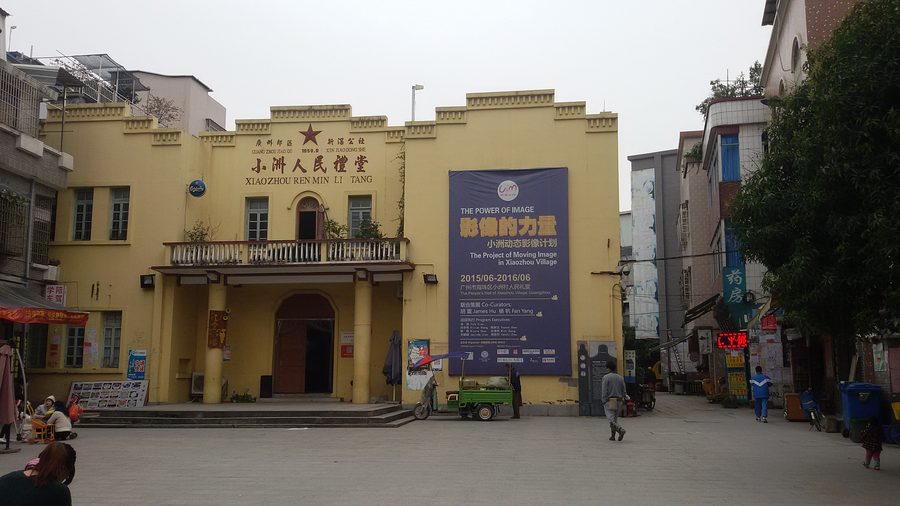
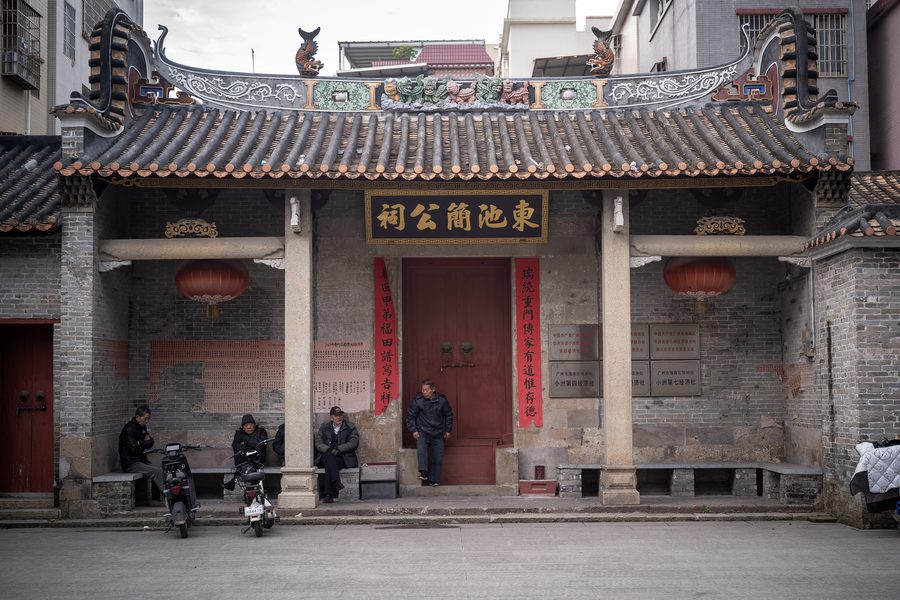
6. Xiaozhou [Xiaozhou Village] — 小洲村 (since 1992 (a village since the 14th century))
An ancient water-town village in Haizhu district, Guangzhou, which since the 1990s has become China's first “artists' village”: studios, cafés and workshops in historic Lingnan architecture.
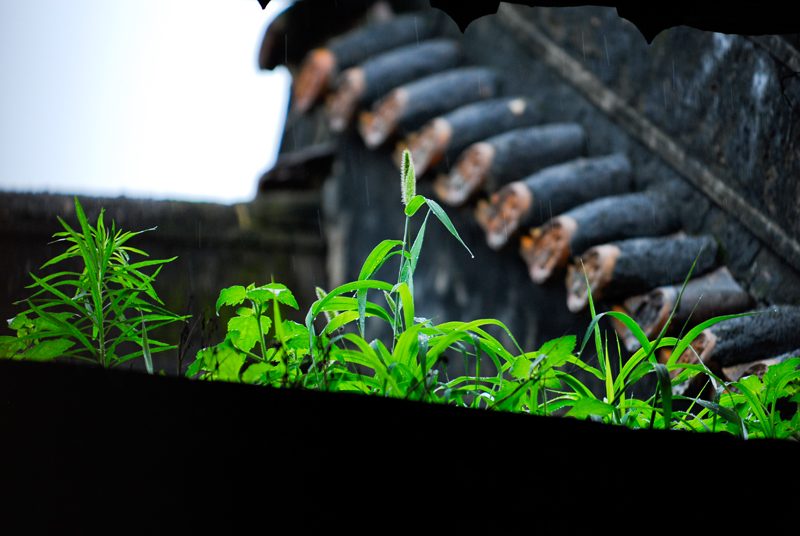
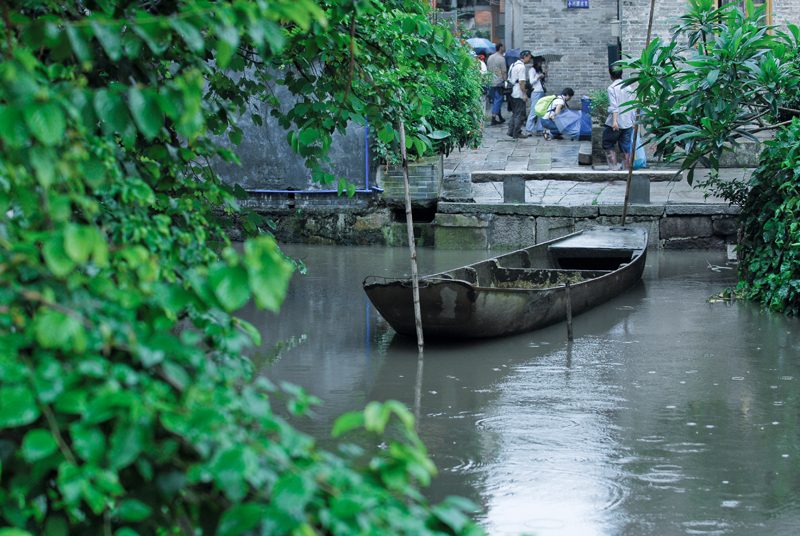
- What it is — Xiaozhou village (小洲, “small islet”) in Haizhu district, Guangzhou, by Pazhou park; it has preserved the look of a Lingnan water town with narrow lanes, stone bridges, pavilions and “oyster-shell houses” (蠔殼屋), whose oldest structures go back to the Yuan dynasty.
- When it arose — in 1992 the artists Liu Lun and Guan Shanyue of the Guangzhou Academy of Fine Arts began coming here to paint from nature and build studios; after the relocation of the Guangzhou university town in the mid-2000s the community grew to 200–300 artists, and in 2009–2010 the Xiaozhou art district took shape.
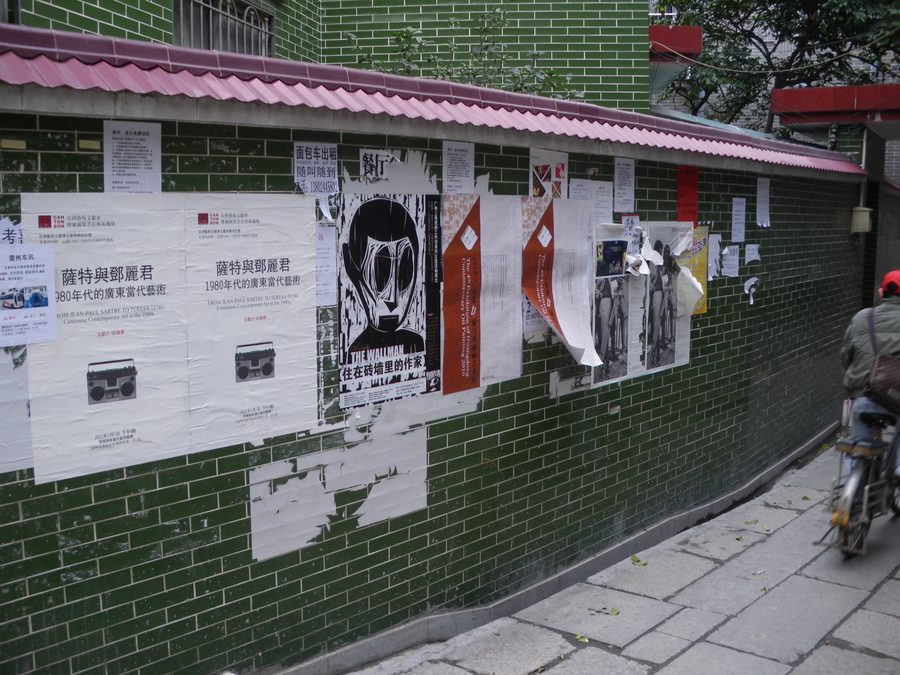
- Its role today — China's oldest “artists' village” and a popular tourist destination: painting, ceramics and photography studios, galleries, an art market and cafés stand alongside historic temples and ancestral halls; a protected historic environment and a magnet for young artists.

.jpg)
.jpg)