survey_06 — Graphic Art: Eight Chinese Artists
1. Su Xinping — 苏新平 (b. 1960, Jining (Inner Mongolia))
Graduate: Tianjin Academy of Fine Arts; Central Academy of Fine Arts, 1983; 1989
Monochrome printmaking and painting about the steppe and the city: the human as a silhouette in empty space. One of the artists who brought the «slow» hand-pulled print back to Chinese graphics.
- Lithographs and engravings of the 1990s — figures in flocks walking across the boundless steppe: print as a metaphor of silence.
- The “Snow” series — a large format in which the white field is built up in layers of paint rather than by drawing.
- Vice-president of CAFA and professor of printmaking; solo exhibitions in Beijing, Hong Kong and Europe.
- In his prints technique matters no less than subject: for Su, printing is a way of thinking more slowly than painting allows.
- He graduated from the printmaking department of CAFA in 1989 with a master's degree and stayed on to teach; from 2014 to 2022 he was vice-president of the academy. Earlier, in 1983, he completed painting studies at the Tianjin Academy of Fine Arts and taught for three years at the Inner Mongolia Normal University.
2. Tan Ping [谭平] (b. 1960, Chengde, Hebei)
Graduate: Central Academy of Fine Arts, 1984
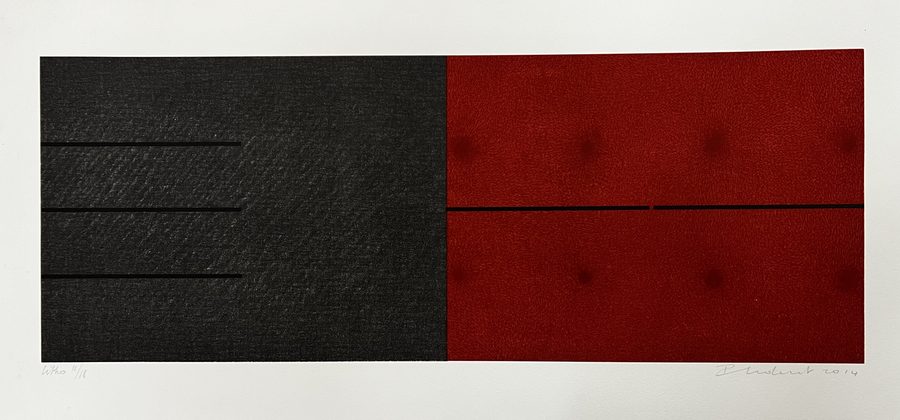
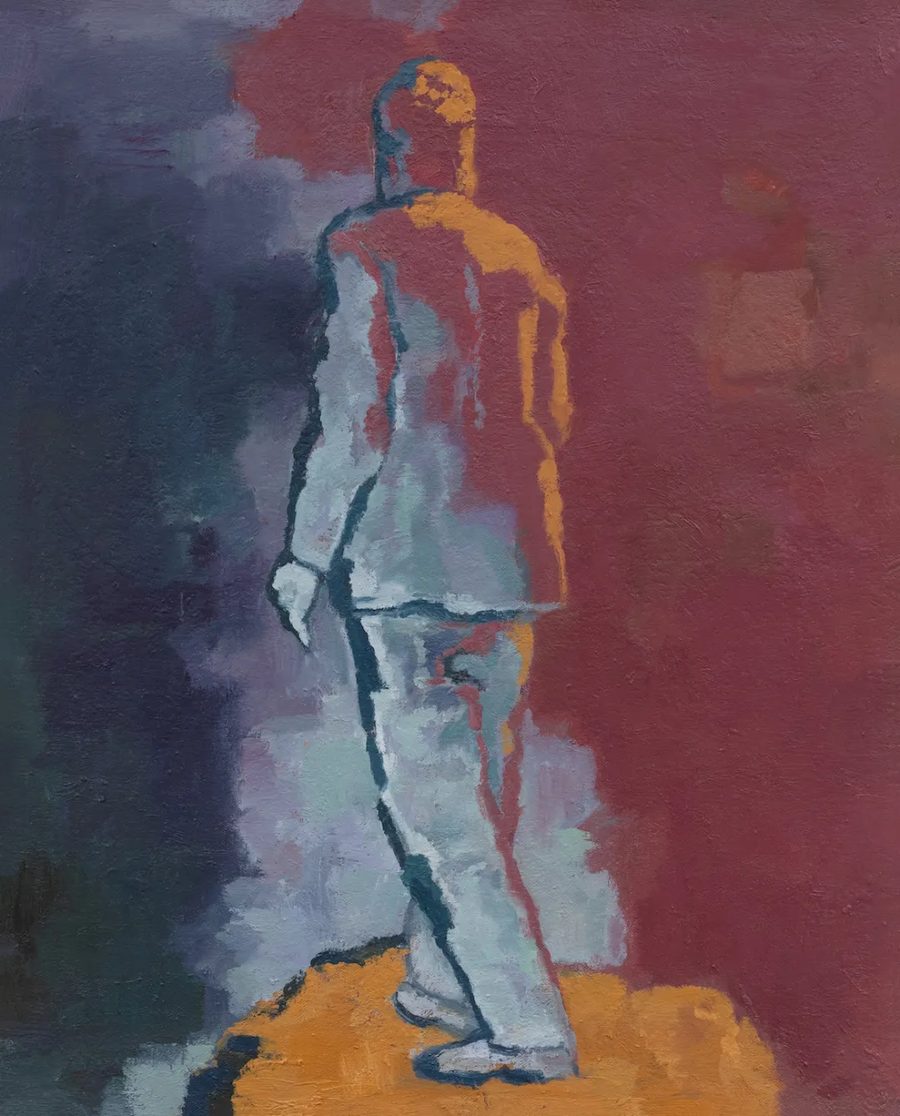
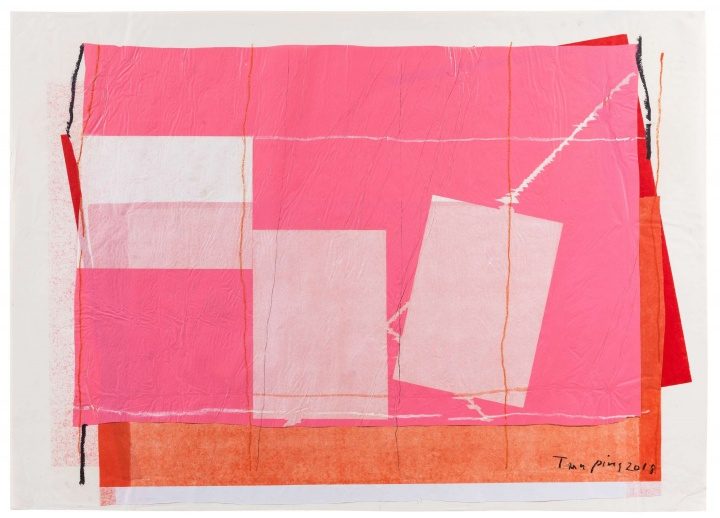
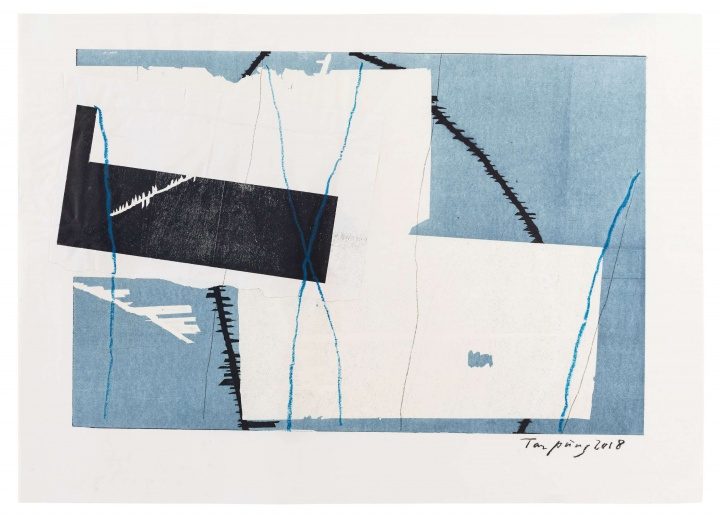
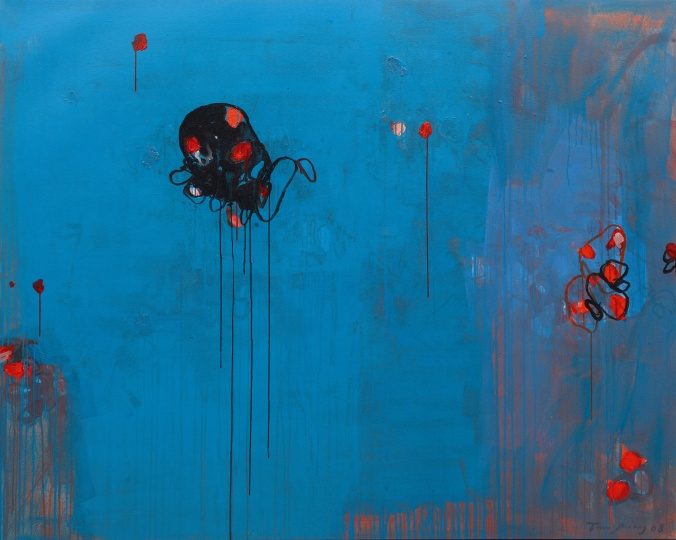
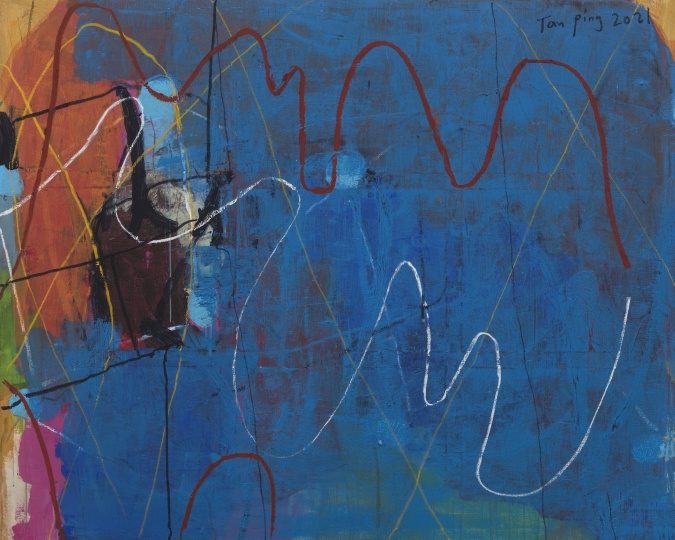
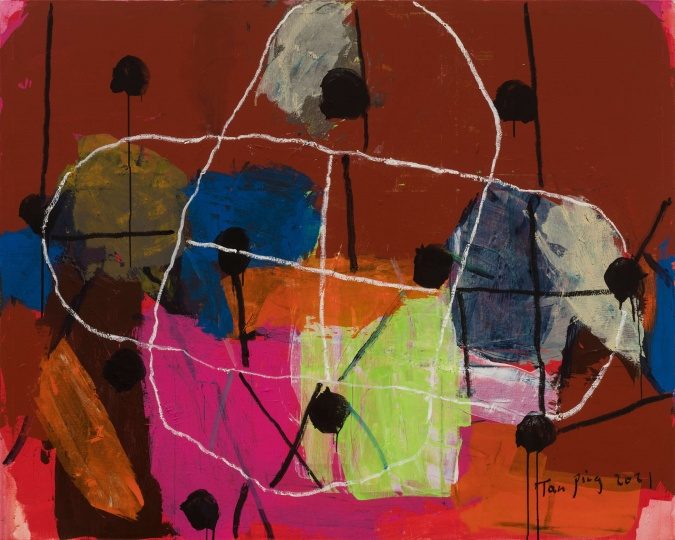
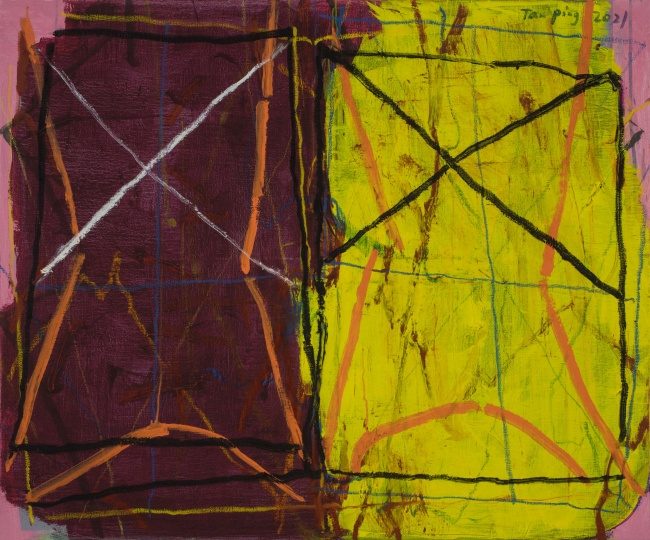
Printmaking and abstract painting on the border between impression and gesture: the line as a trace of movement. He studied printmaking at CAFA and later in Berlin.
- Series of engravings and “print-strokes” in which the impression records time rather than an image.
- Solo projects in Berlin, Beijing and Shanghai; honorary doctorate from Kingston University.
- Vice-President of the Central Academy of Fine Arts (CAFA) from 2003 to 2014, later Vice-President of the Chinese Academy of Arts; he draws a line between printmaking and abstraction.
- His principle is “printing as breathing”: the rhythm of the hand reads more strongly in the impression than the subject does.
- In 1980 he entered the printmaking department at CAFA, graduated in 1984 and stayed on to teach; from 1989 to 1994 he studied at the Berlin University of the Arts on a DAAD scholarship and returned to CAFA as a teacher.
3. Zhou Jirong [周吉荣] (b. 1962, Guizhou)
Graduate: Central Academy of Fine Arts, 1987
Screen printing and prints about the city: dense layers of colour, architecture and crowds. He treats colour as an optical material.
- Series of screenprints about Beijing streets and new construction — the city printed in layers.
- Projects in Spain (Royal Academy of Fine Arts, 1996) — a European experience that enters his palette.
- Professor at CAFA and deputy director of the International Print Institute; winner of national awards.
- Screen printing lets him build an image as a printing process: layer by layer, until the light appears.
- He graduated from the printmaking department at CAFA in 1987; he heads the second studio of the printmaking faculty and serves as general secretary of the International Academic Printmaking Alliance (IAPA, 国际学院版画联盟).
Sources: [1]
4. Chen Qi [陈琦] (b. 1963, Nanjing)
Graduate: Nanjing Academy of Arts, 1987
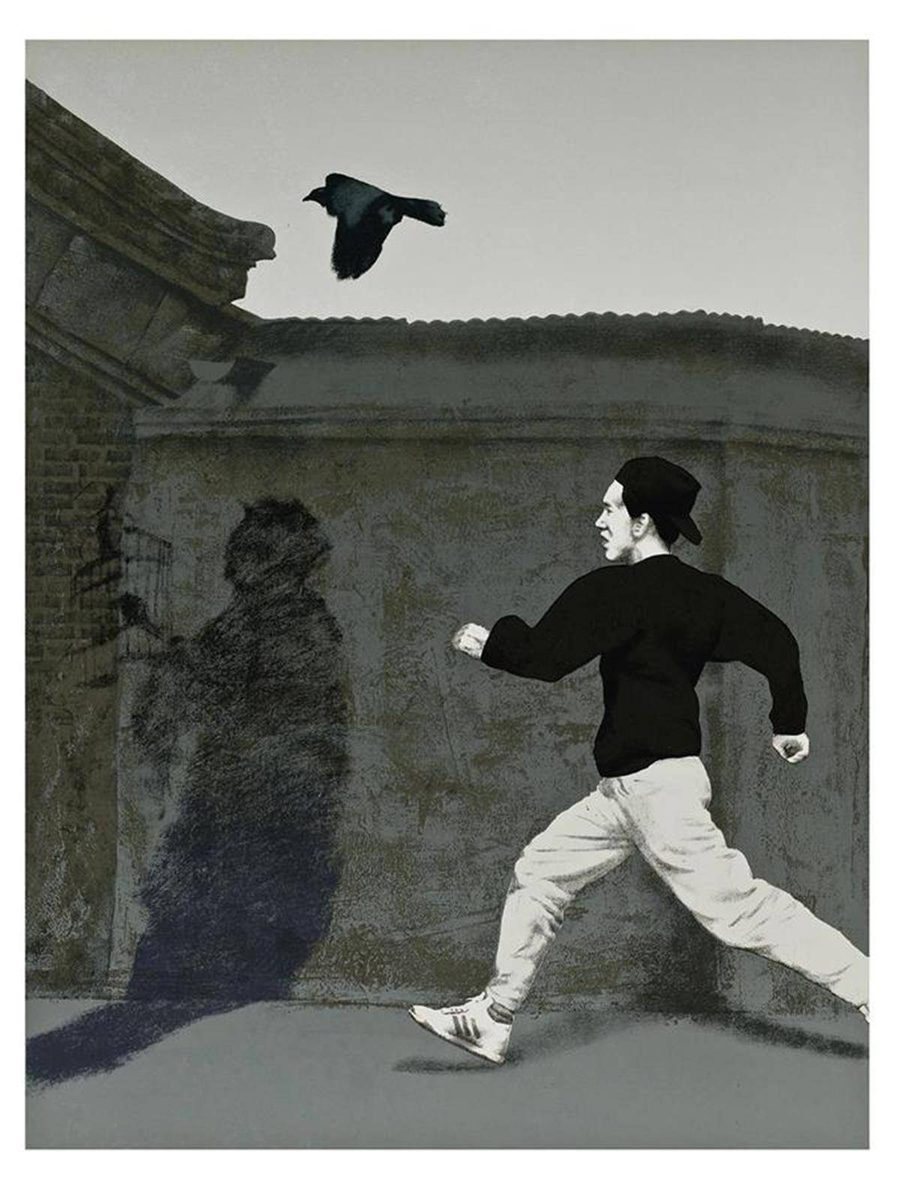
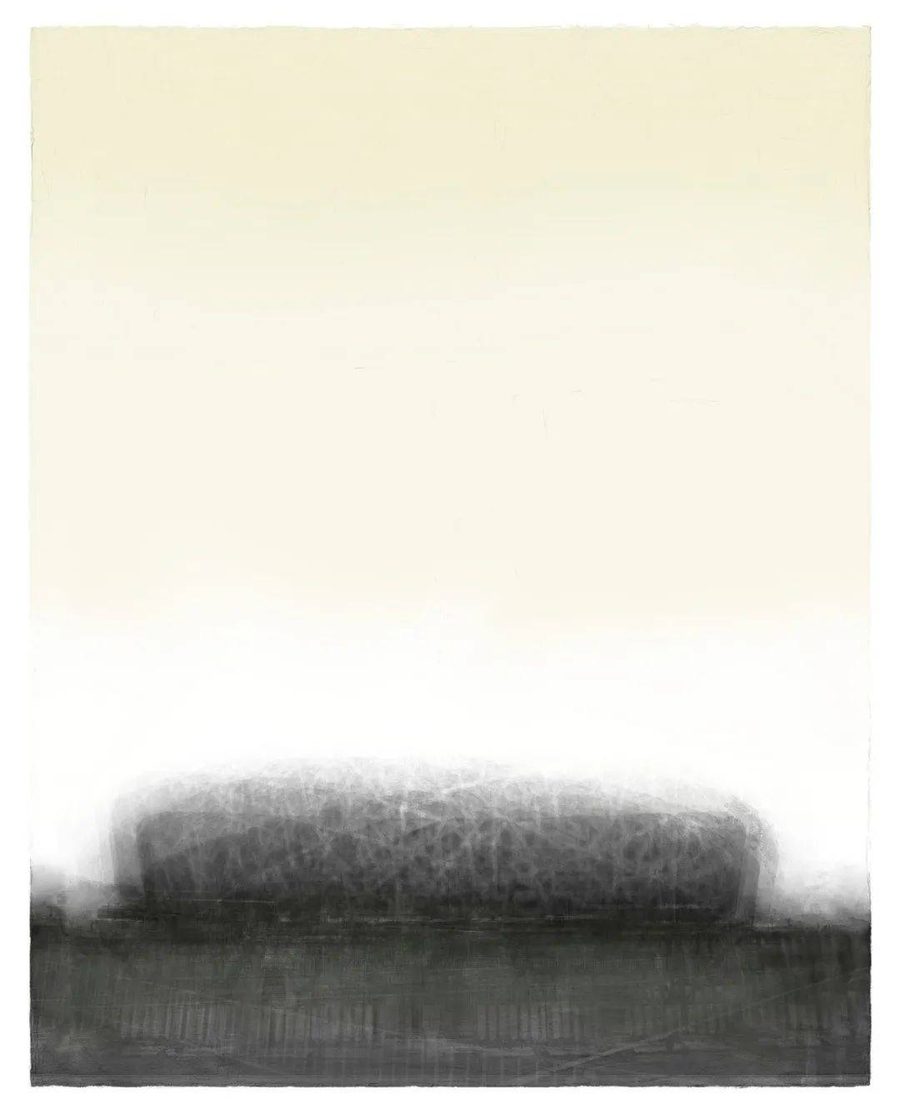
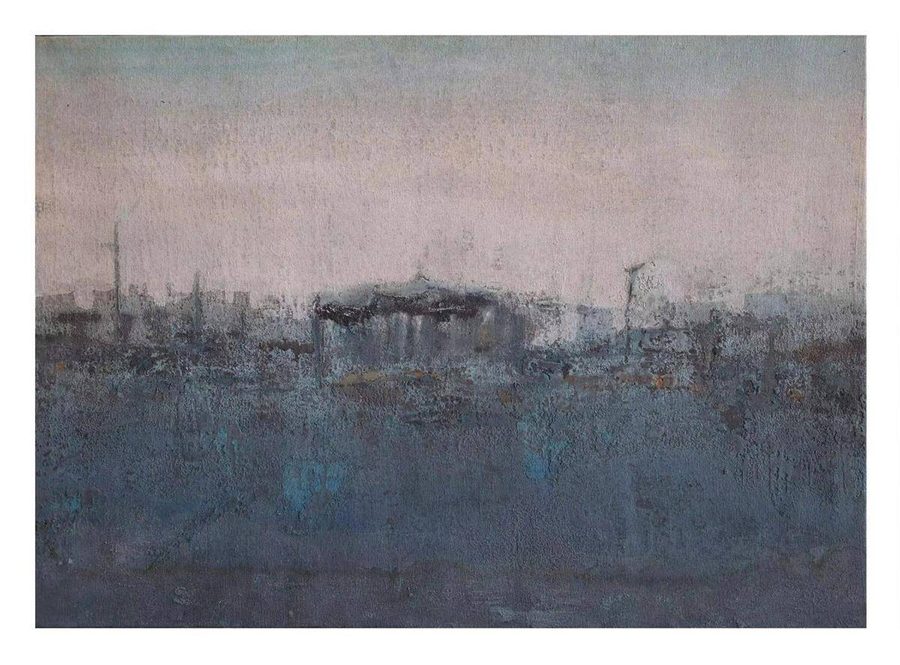
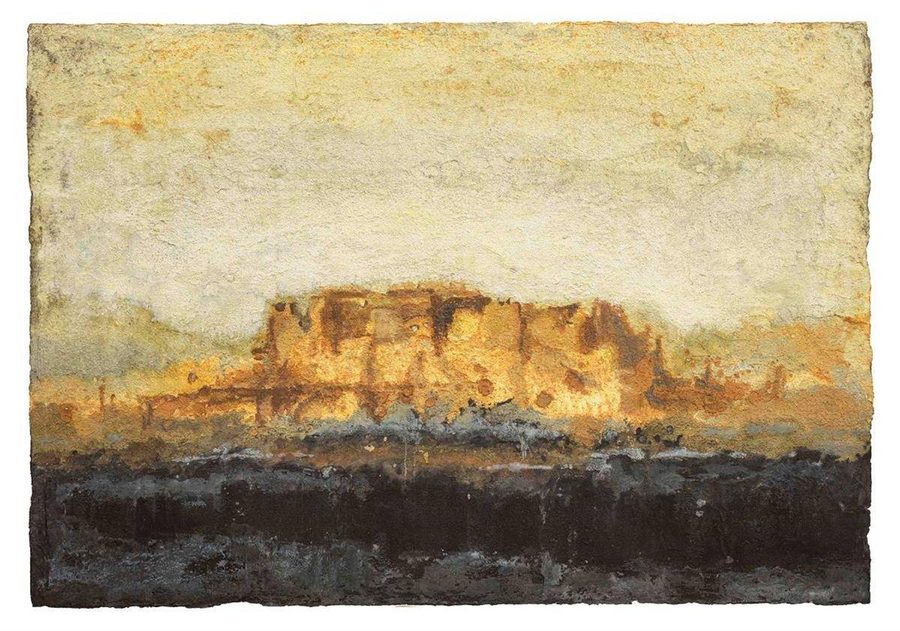
Water-based woodblock printing (水印木刻) — a continuation of the Nanjing tradition. He treats water, ink and paper as materials in their own right.
- The “Water” and “Book” series — multi-layered water-based impressions in which the image “dissolves” into the paper.
- More than 30 years studying the 水印 technique: the impression is made by hand, without a press.
- Professor at the Nanjing Institute of Arts and at CAFA, and an award-winner at international printmaking biennials.
- His prints are about time absorbed into paper: every copy differs from the one before.
- In 1987 he graduated with a bachelor's degree from the Faculty of Fine Arts of the Nanjing Institute of Arts, and in 2006 he defended his doctorate there; he later served as dean of graduate studies at CAFA.
5. Yang Hongwei [杨宏伟] (graduate of the Tianjin Academy of Fine Arts, 1994; CAFA PhD under Xu Bing)
Graduate: Tianjin Academy of Fine Arts (BA); then Central Academy of Fine Arts (MA 2008, doctorate 2015), 1994
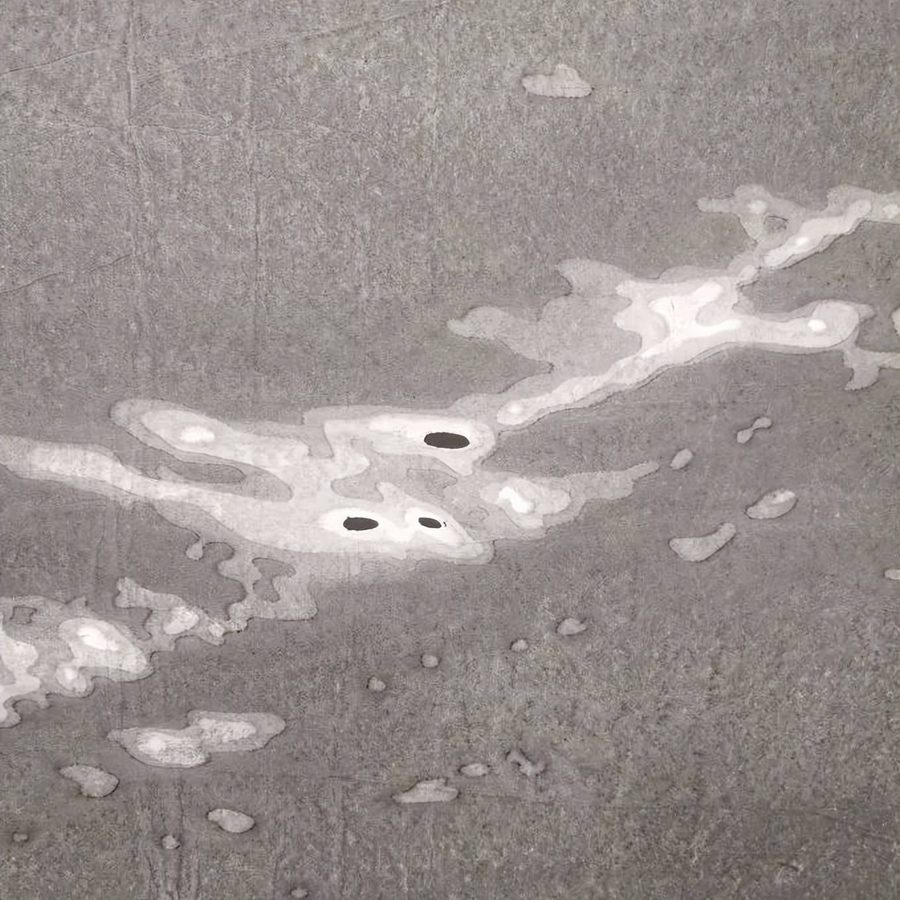
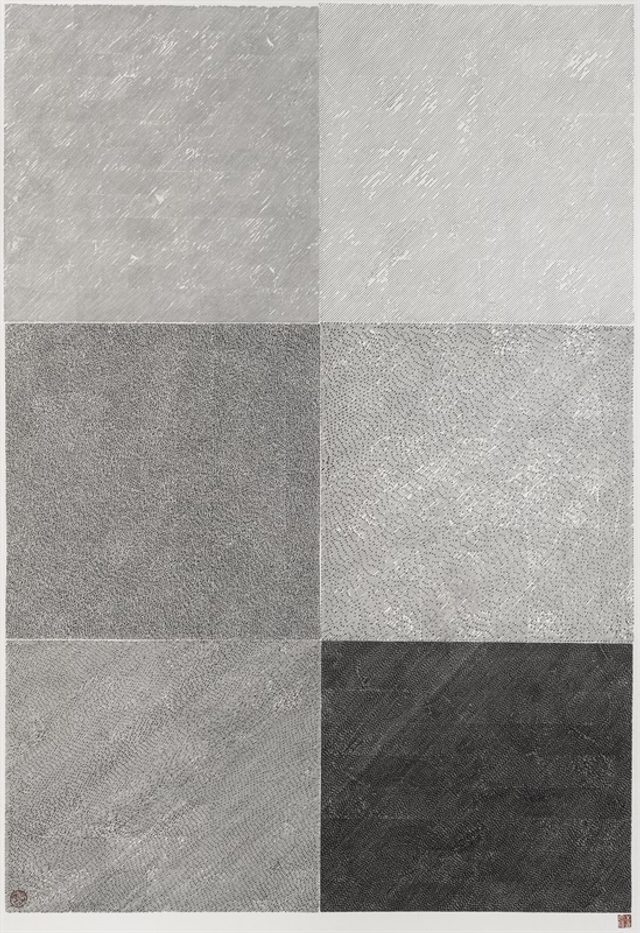
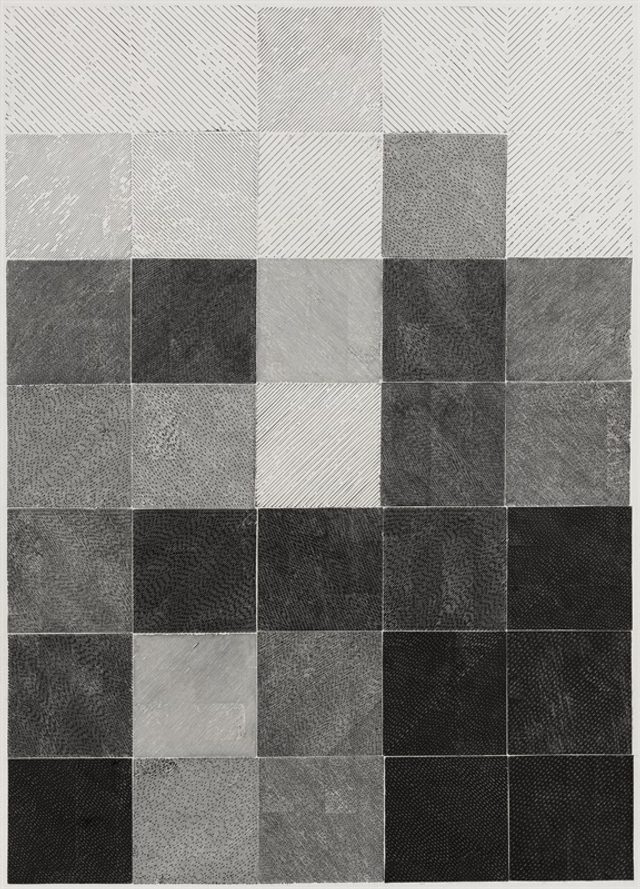
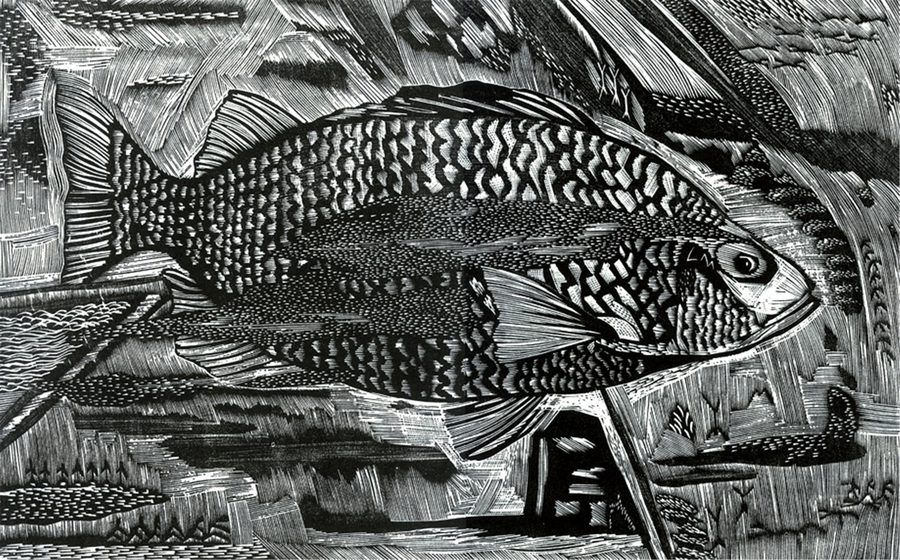
End-grain wood engraving (木口木刻). He works in a technique where the line is finer than a hair: printing as jewellery work.
- Series of end-grain engravings with many thousands of lines: the image is assembled from strokes almost indistinguishable to the eye.
- Curator and organiser of the international 木口木刻 exhibition at CAFA (2017) — a technique that returned to China through his efforts.
- Professor in the printmaking department at CAFA and doctor of art history.
- His subject is the time inside the technique: a single block can be cut over months.
- He was born in Tianjin in 1968: in 1994 he graduated from the printmaking department of the Tianjin Academy of Fine Arts and stayed on to teach, in 2008 he took a master's degree at CAFA and in 2015 a doctorate there, under Xu Bing.
6. Kang Jianfei [康剑飞] (b. 1973, Tianjin)
Graduate: Central Academy of Fine Arts (版画系), 2000
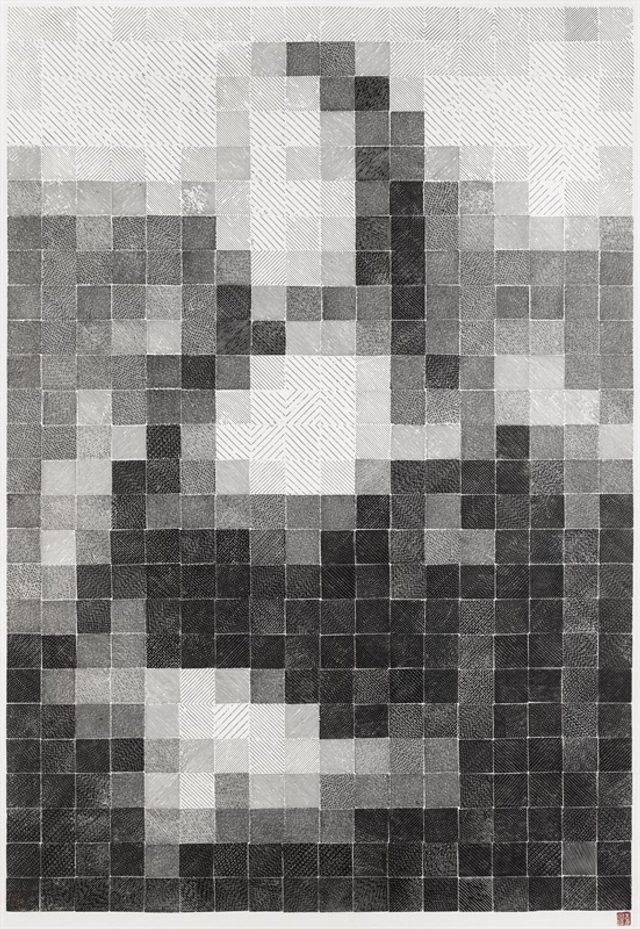
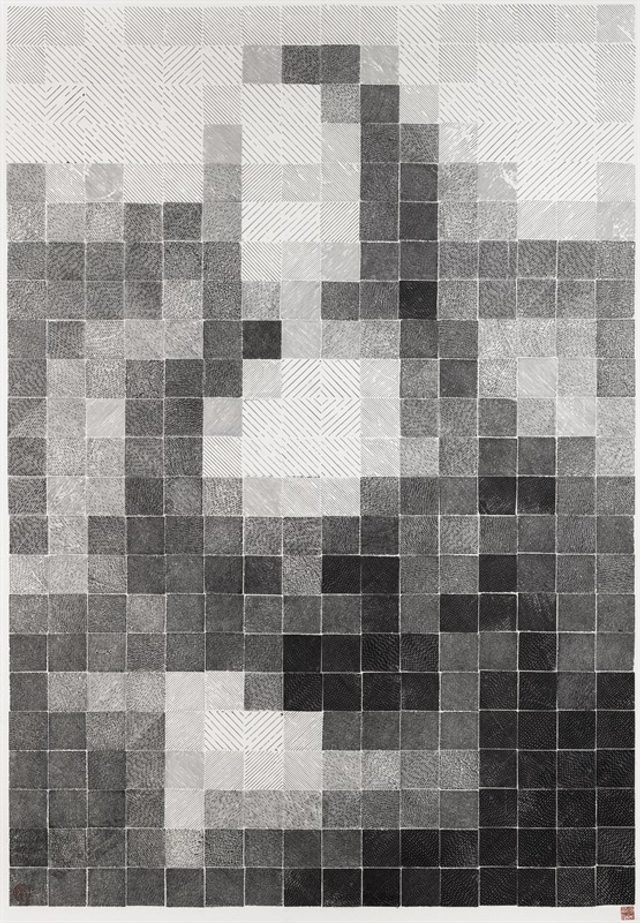
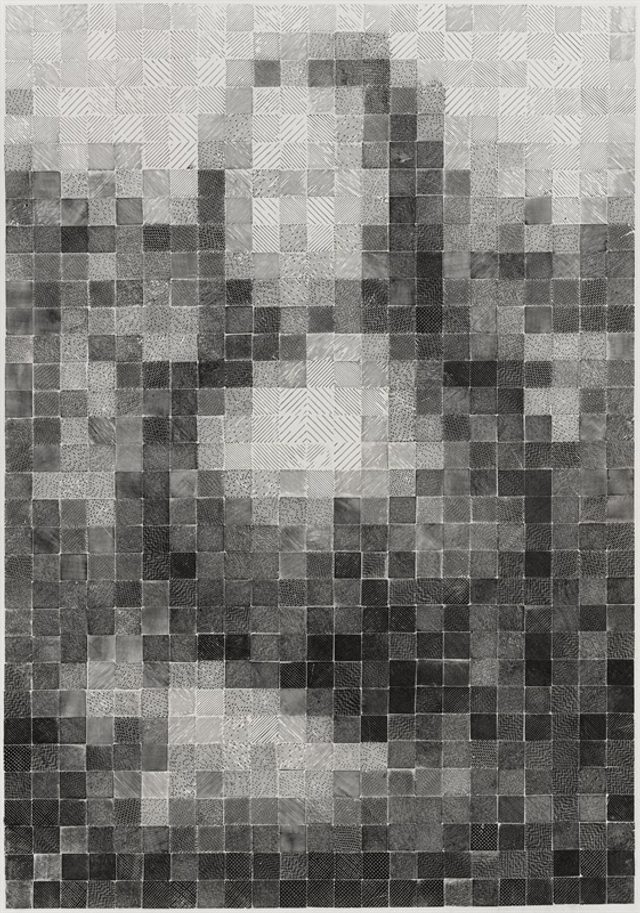
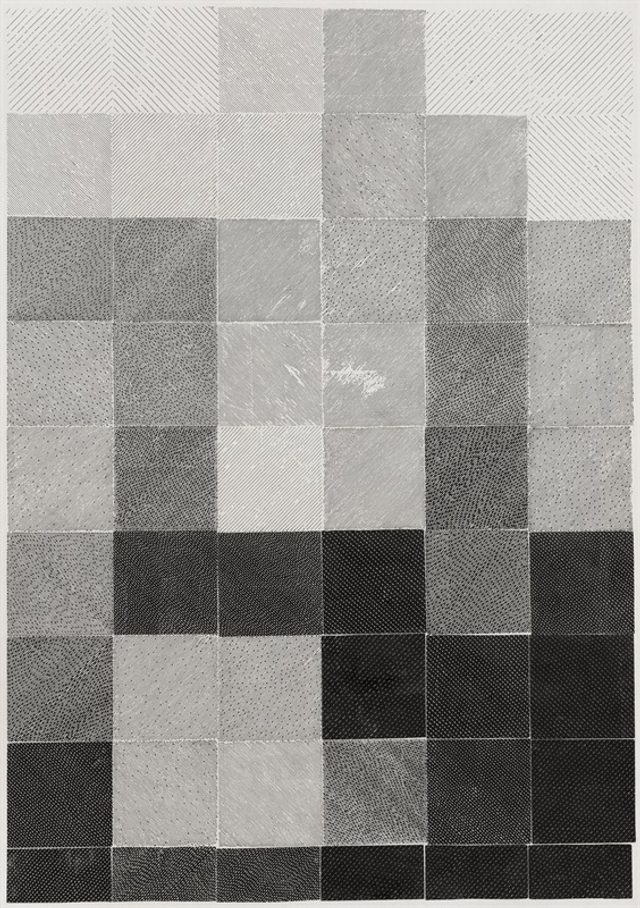
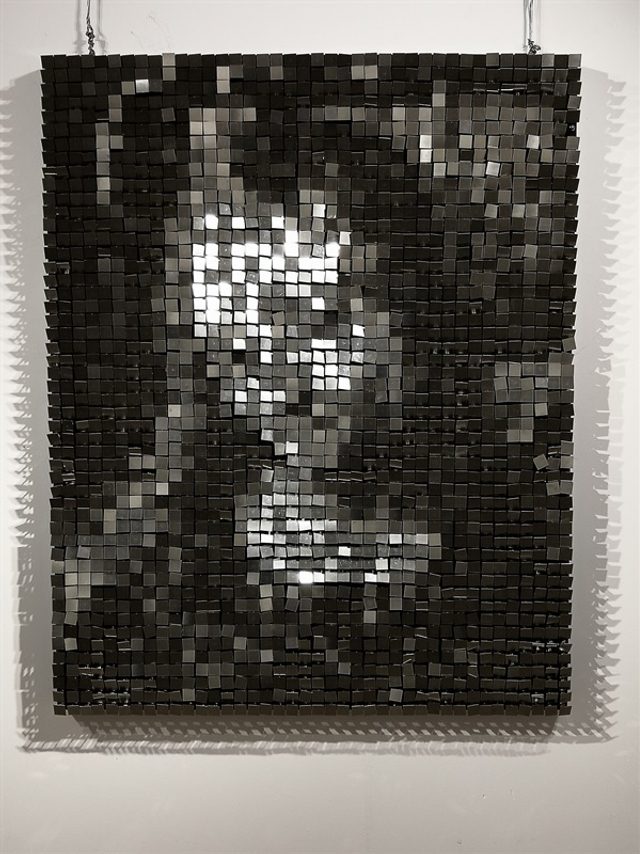
Print as medium and as object: the block, the impression, the edition and the “life” of a work after printing.
- Projects in which the print becomes part of an installation and of an artist's book.
- Teacher at CAFA and curator of exhibition programmes about print and its boundaries (“行走中的艺术+”).
- He works with the notion of the edition: repetition becomes the subject rather than a limitation.
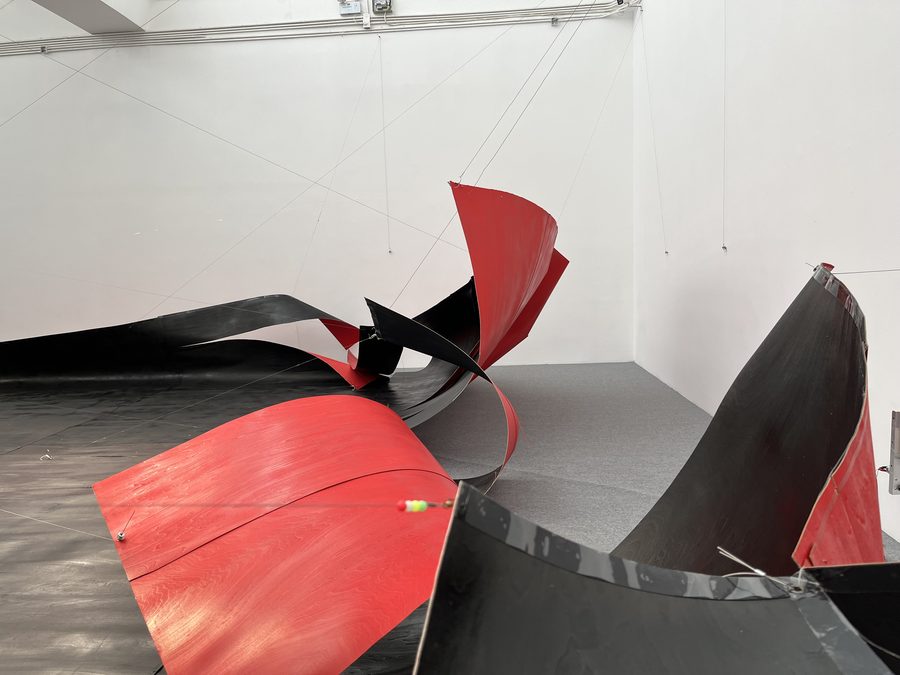
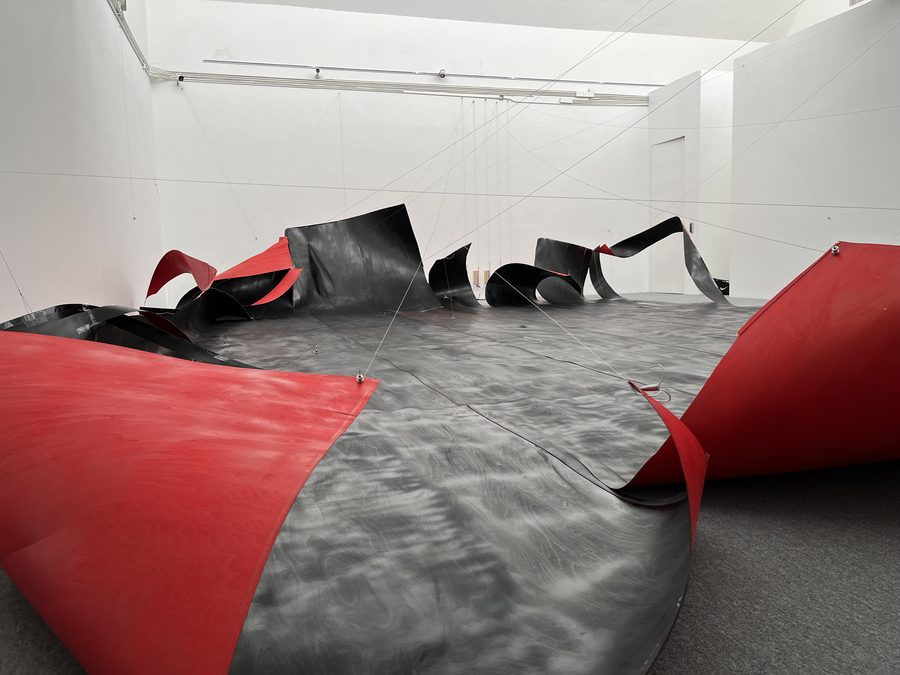
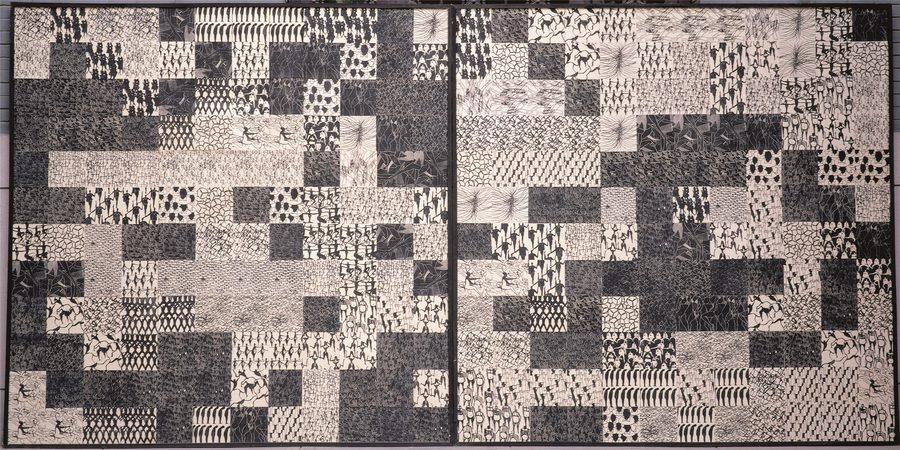
- He graduated from the printmaking department at CAFA in 1997: his diploma series “Repetition and Combination” (重复组合) won the year's only first prize, after which he stayed on to teach and completed a postgraduate course there in 2000.
7. Wu Jian'an [邬建安] (b. 1980, Beijing)
Graduate: Central Academy of Fine Arts, 2005
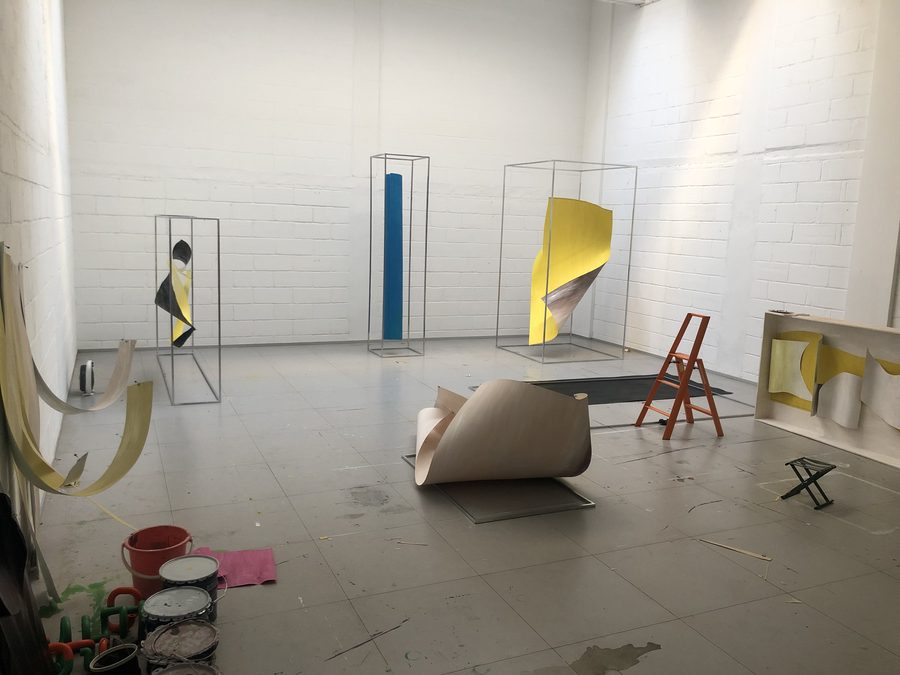
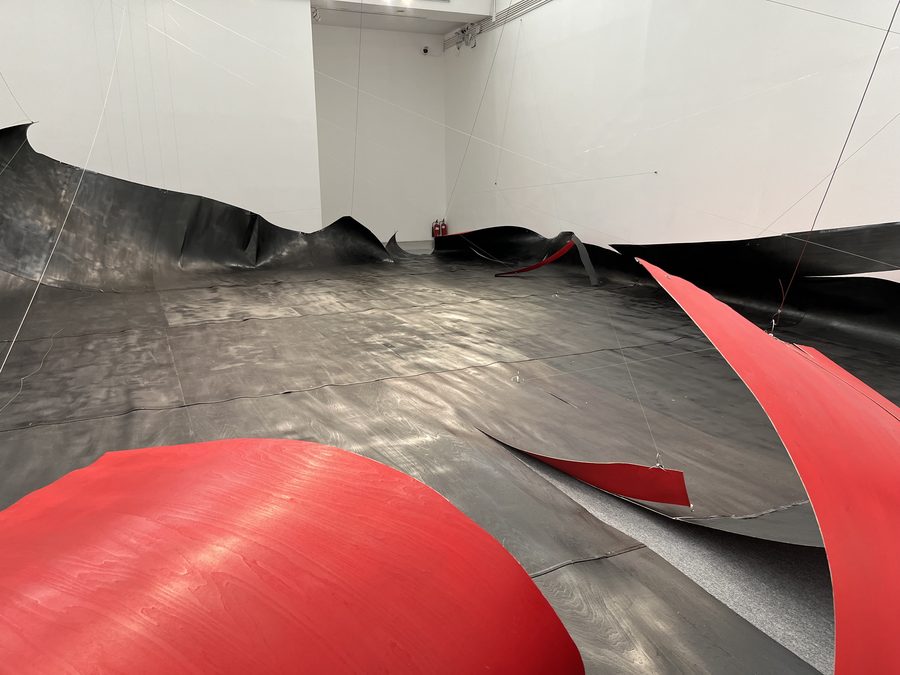
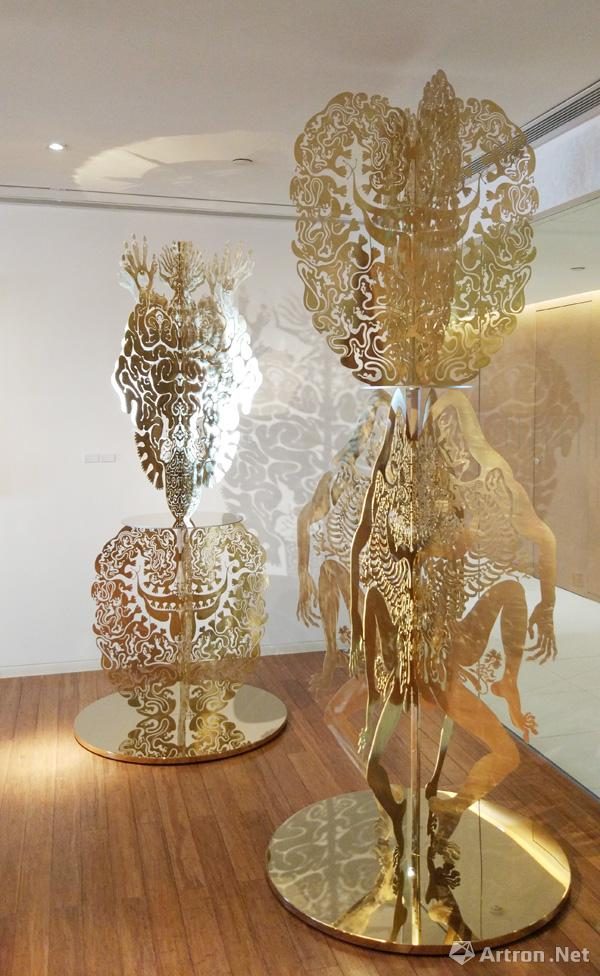
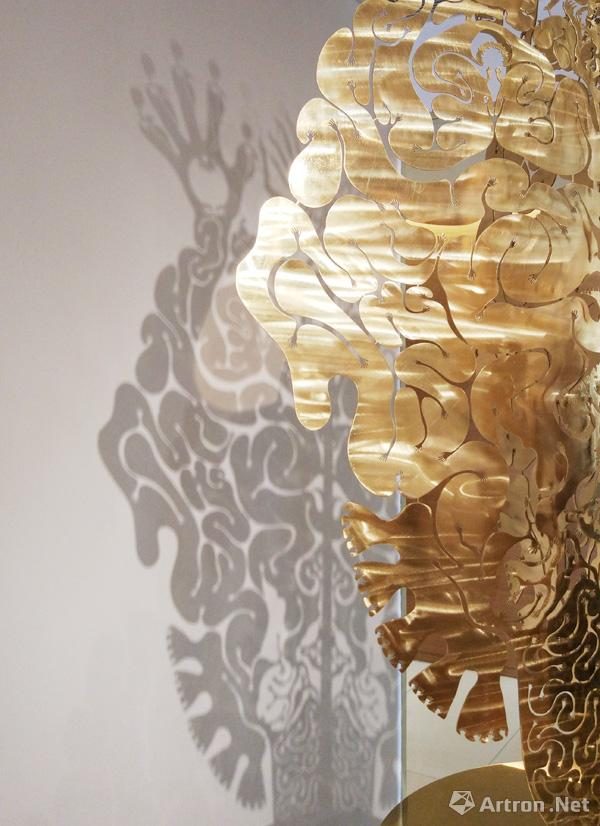
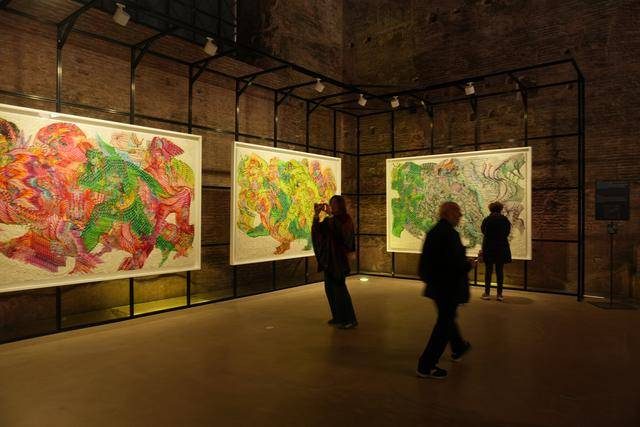
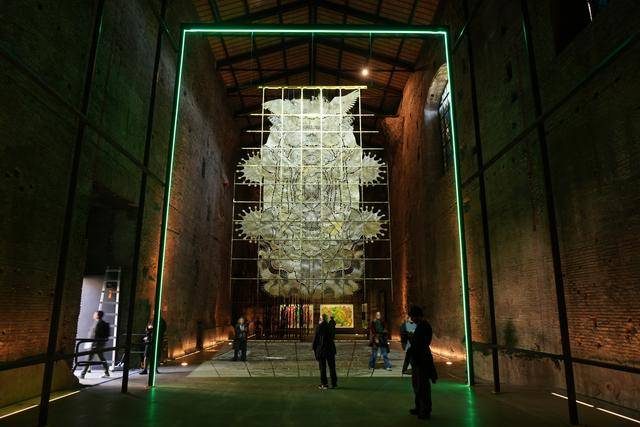
Paper cutting and large-format printing: mythology joined to contemporary drawing. He works with scissors the way others work with paint.
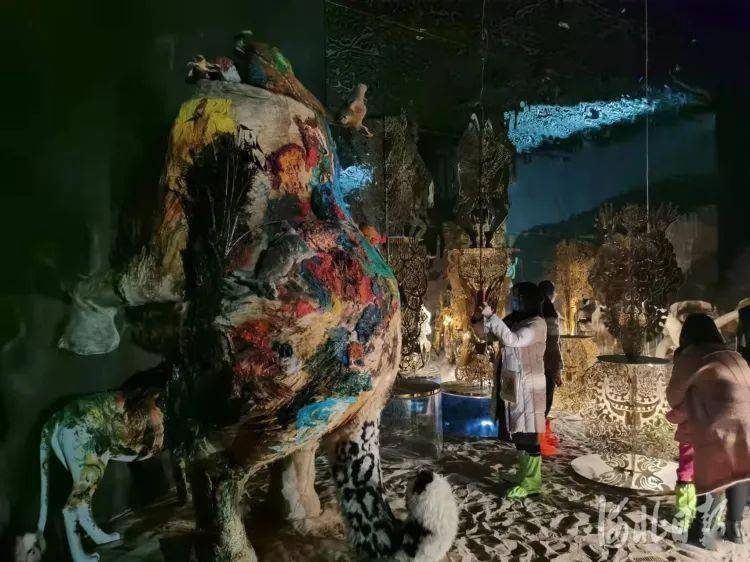
- Large-format paper panels about fantastic creatures and ancient myths — the jianzhi technique enlarged to the scale of a wall.
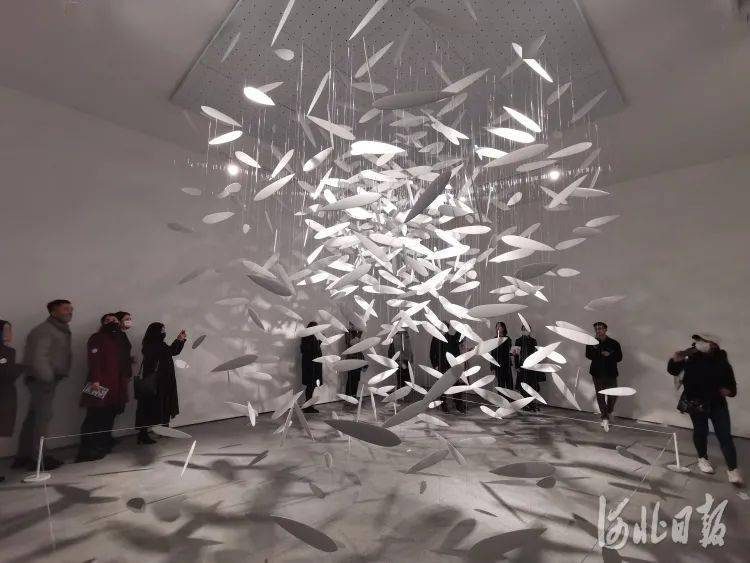
- Series with metal and glass elements in which paper ceases to be flat.
- Professor at the CAFA School of Experimental Art; works in private and museum collections in Asia and Europe.
- His line is “folklore as a contemporary language”: the technique of a folk toy becomes a museum form.
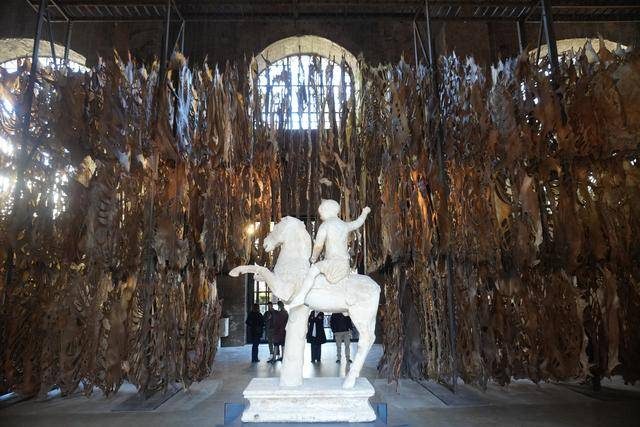
- Born in Beijing in 1980 (his family comes from Shanghai), he is now professor and vice-dean of the CAFA School of Experimental Art; in 2017 he represented China at the 57th Venice Biennale.
8. Lu Zhiping [卢治平] (b. 1947, Shanghai)
Graduate: Shanghai University, Faculty of Arts, 1987
Screen printing and prints about city and sea: the Shanghai school, in which the image is built from fine layers of colour.
- Series about water, the port and the urban outskirts — a favourite material of Shanghai printmaking.
- Curator of international print exhibitions in Shanghai (“观城”, “原点的维度”) and organiser of the Shanghai Print Centre.
- First-class artist at the Shanghai Institute of Painting and Sculpture; one of the organisers of the Chinese printmaking school after the 1980s.
- His line is printmaking as a conversation between the city and the water.
- Born in Shanghai in 1947; in 1987 he graduated from the Shanghai University of Fine Arts and later founded the Bandao printmaking studio (半岛版画工作室) in Shanghai, where he teaches the technique of the impression.
Sources: [1]