survey_55 — biennials and major surveys
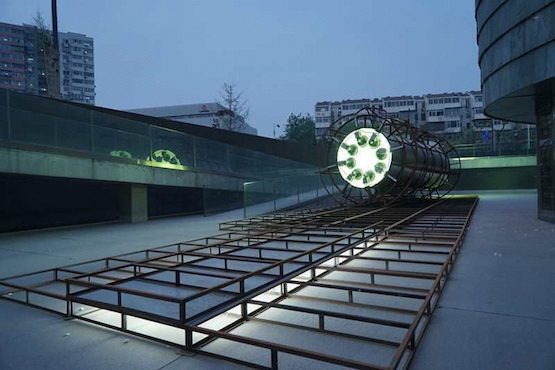
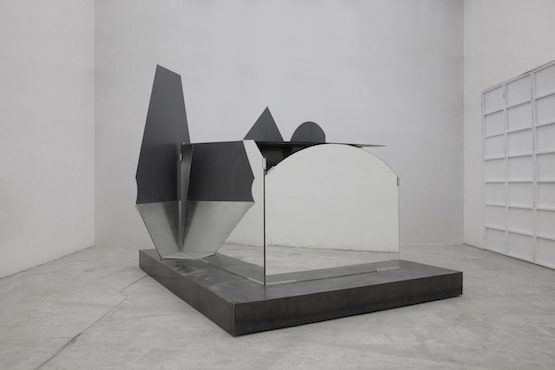
1. Shanghai Biennale — 上海双年展 (Shanghai, since 1996)
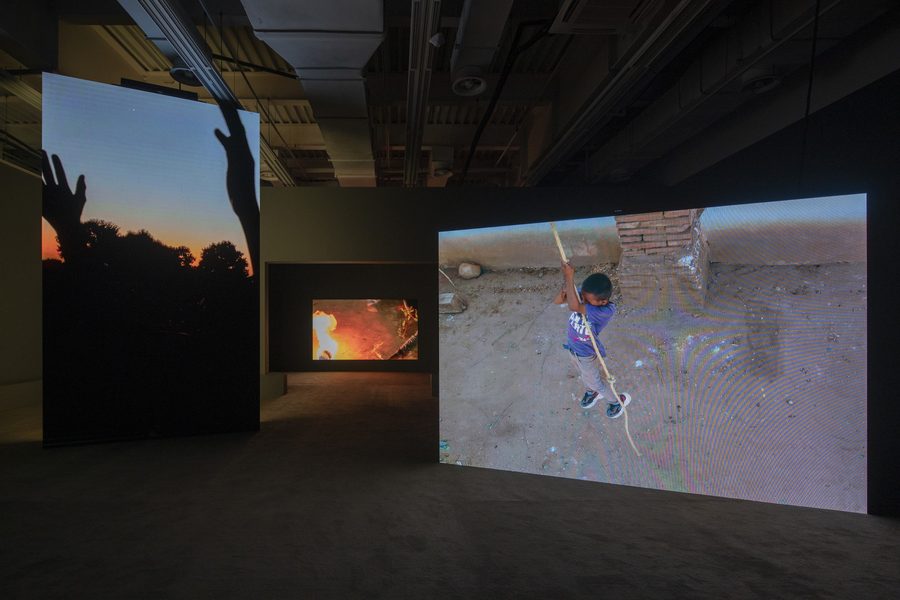
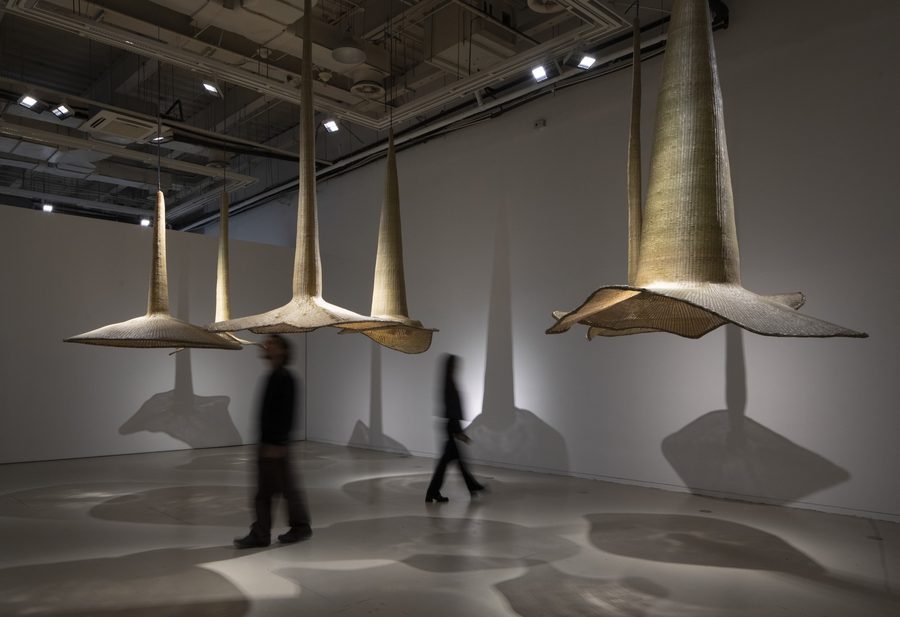
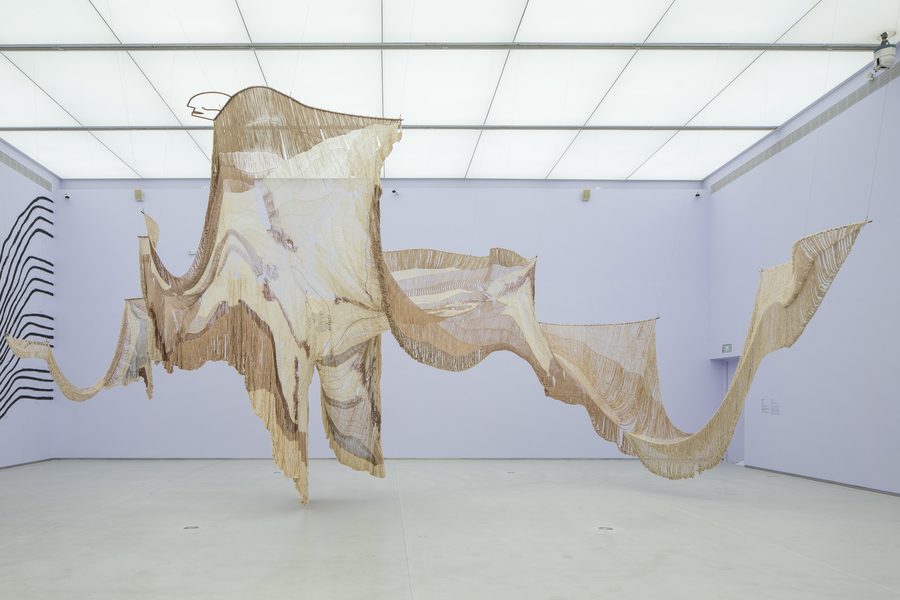
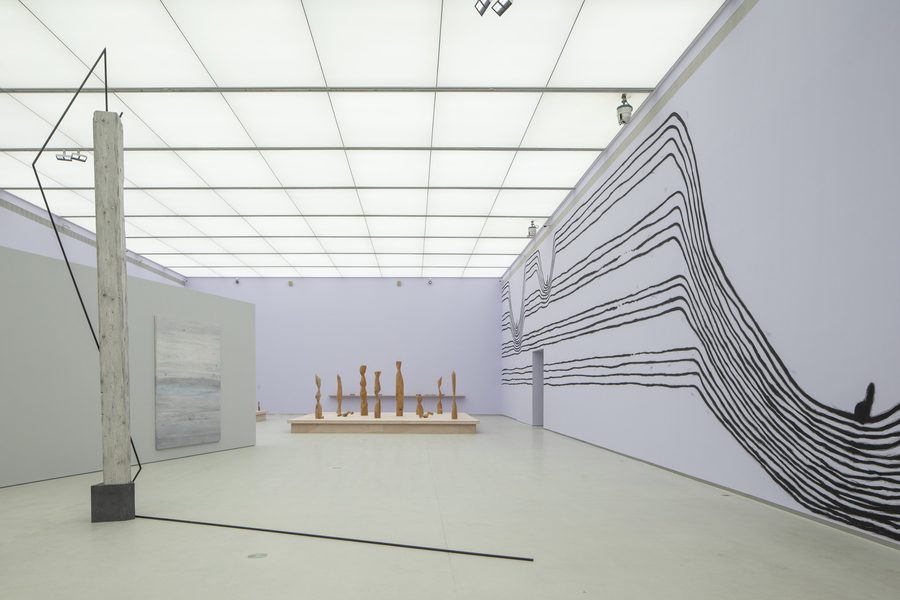
The international biennale of contemporary art in Shanghai and the first contemporary art biennale in mainland China; since 2012 it has been held by the Shanghai Museum of Contemporary Art (Power Station of Art, PSA) in the building of the former Nanshi power station, which acts as the organiser and permanent venue of the exhibition.
- History — founded in 1996; the first biennale, “Open Space” (开放的空间), was held at the Shanghai Art Museum (上海美术馆); then: the 2nd “Inheritance and Extension” (1998), the 3rd “Shanghai Spirit — A Special Modernity” (2000), the 4th “Urban Creation” (2002), the 5th “Techniques of Vision” (2004), the 6th “Hyper Design” (2006), the 7th “Fast City, Fast Guests” (2008), the 8th “Mobile Rehearsal” (2010), the 9th “Reactivation” (2012), the 10th “Social Factory” (2014), the 11th “Why Not Ask Again” (2016), the 12th “Proregress” (2018), the 13th “Bodies of Water” (2021, curators Andrés Jaque, Marina Otero Verzier, Lucia Pietroiusti, Filipa Ramos, You Mi), the 14th “Cosmos Cinema” (2023).
- Organisers — since 2012 the organiser and permanent venue has been PSA, founded on 1 October 2012 as China's first state museum of contemporary art (678 Miaojiang Road, Huangpu district); the curatorial team is formed by the museum, and graduates of its “Young Curators” programme are brought in; the exhibition is accompanied by a city programme at external venues in Shanghai.
- Scale and place in the scene — the 15th biennale, “Does the flower hear the bee?” (8 November 2025 — 31 March 2026): chief curator Kitty Scott, co-curators Daisy Desrosiers and Tan Xue, curators Long Yitan and Zhang Yingying, more than 250 works, exhibition design by all(zone) / Rachaporn Choochuey, city programme at the Jia Yuan Hai Art Museum, VILLA tbh Shanghai, the Shanghai Botanical Garden (Penjingyuan) and klee klee & friends. The biennale is held at the PSA venue, one of the largest in Asia; Ferran Barenblit has been appointed the 16th chief curator. The exhibition remains a key regular platform for discussing the city, society and new media in the region.
website instagram weibo wechat: 上海当代艺术博物馆 (PSA official account)
2. Guangzhou Triennial — 广州三年展 (Guangzhou, since 2002)
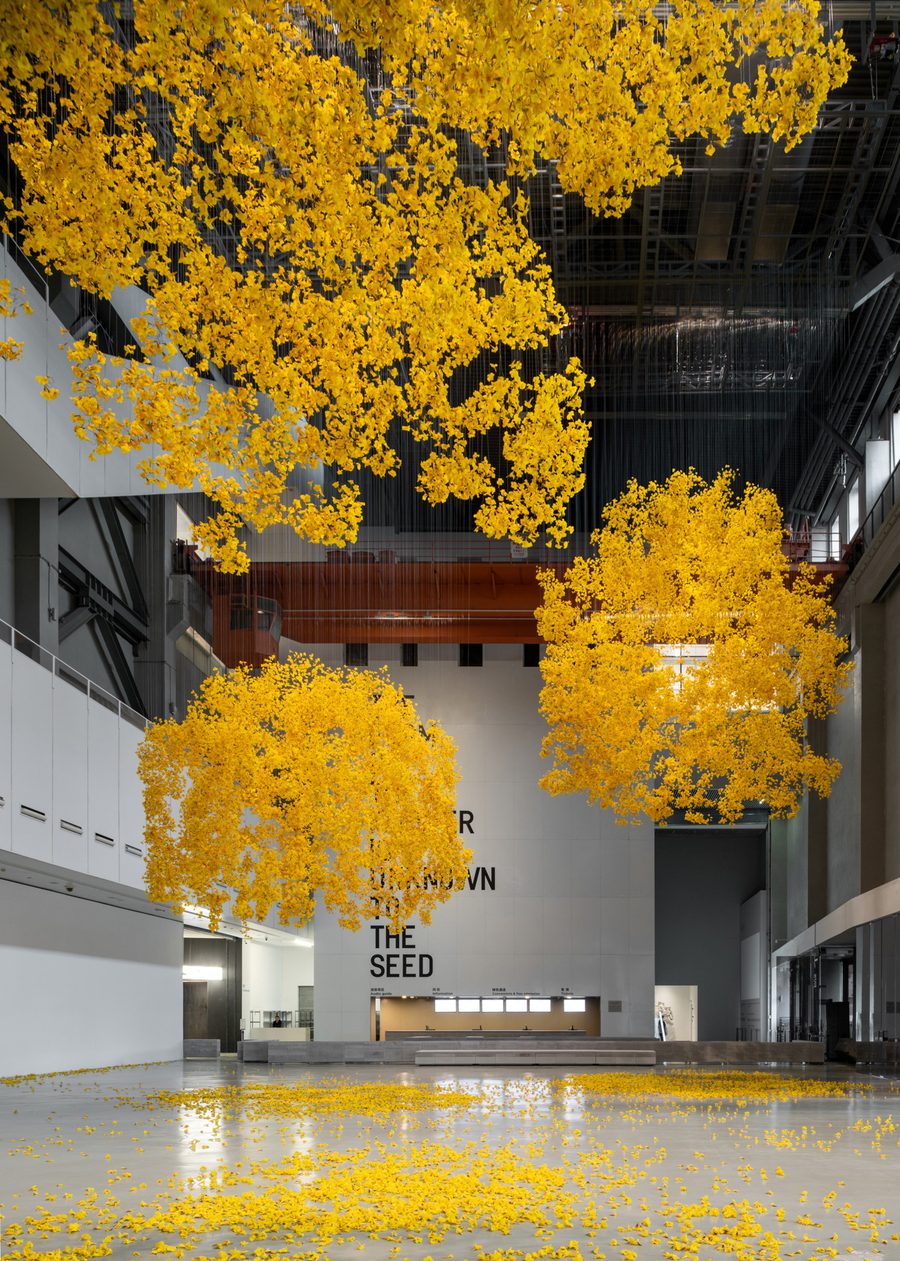
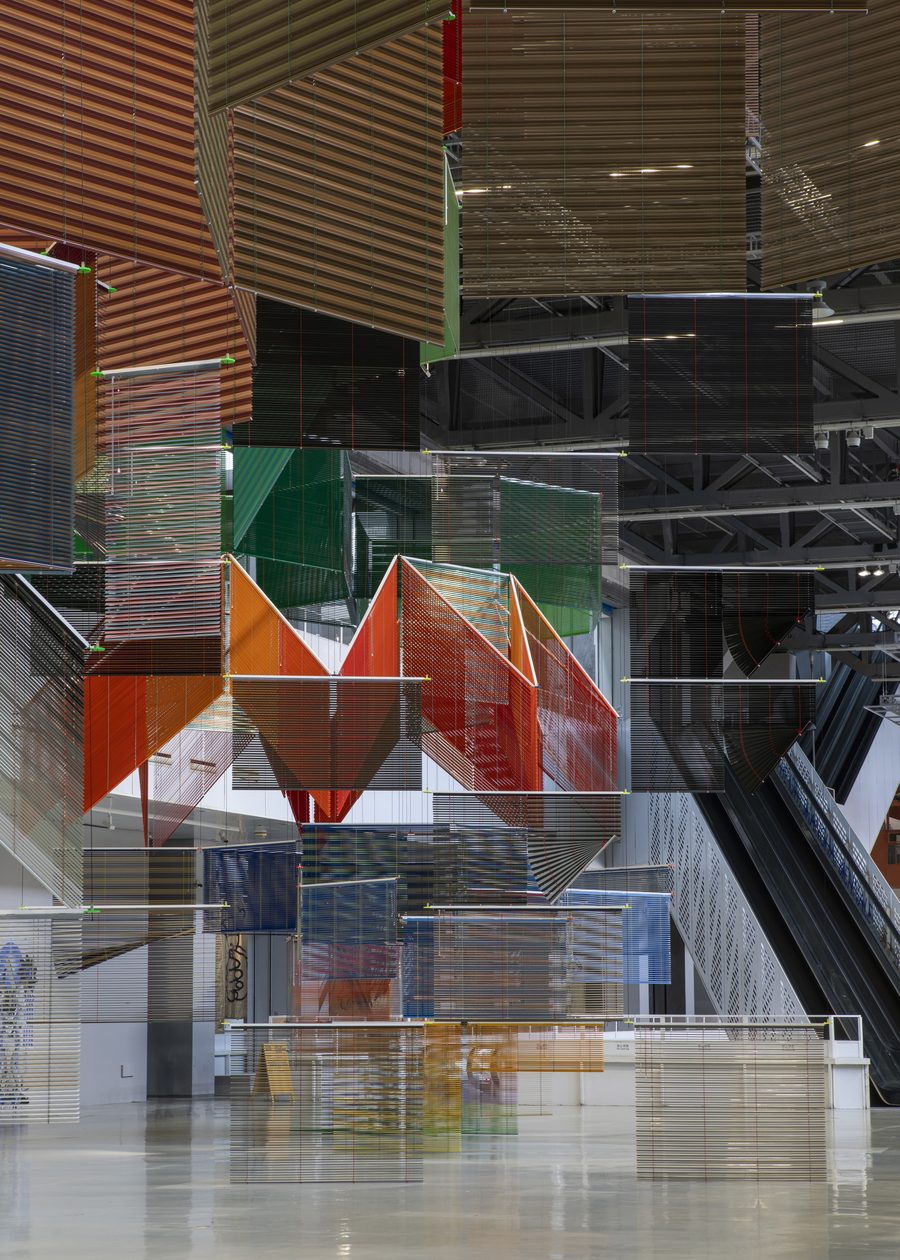
An international triennial of contemporary art organised independently by the Guangdong Museum of Art (广东美术馆, GDMOA) with the support of the Guangdong Provincial Department of Culture and Tourism; one of China's largest regular art exhibitions and the leading academic survey in the south of the country.
- Organisers — the Guangdong Museum of Art (opened in 1997, 38 Yanyu Road, Ersha Island, Guangzhou) is the author and organiser of the project; the triennial's operating office is in the museum (gzt@gdmoa.org). The museum's director Wang Shaoqiang led the curatorial teams of the 2018 and 2023 editions; the first triennial was curated by the art historian Wu Hung.
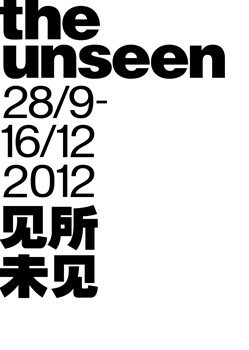
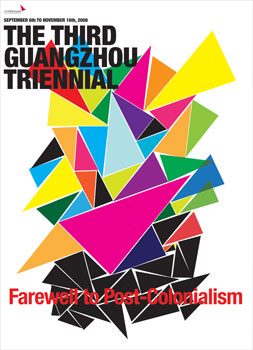
- History — the 1st “Re-reading: Ten Years of Chinese Experimental Art 1990–2000” (18.11.2002 — 19.01.2003, curator Wu Hung); the 2nd “BEYOND — An Extraordinary Space of Experimentation for Modernization” (18.11.2005 — 15.01.2006, curators Hou Hanru, Hans Ulrich Obrist, Guo Xiaoyan); the 3rd “Farewell to Post-Colonialism” (06.09 — 16.11.2008, curators Gao Shiming, Sarat Maharaj, Johnson Chang Tsong-zung); the 4th “The Unseen” (28.09 — 16.12.2012, curators Jiang Jiehong, Jonathan Watkins); the 5th “Asia Time” — as the 1st Asia Biennial and 5th Guangzhou Triennial (11.12.2015 — 10.04.2016, chief curators Henk Slager and Zhang Qing); the 6th “How Do We Think: An Accelerated Future” (2018); the 7th “Symphony of All the Changes” (化作通变; 10.01 — 10.04.2023).
- Scale and place in the scene — the 7th triennial (2023) brought together more than 50 artists and collectives from different cultural contexts; the chief curator was Wang Shaoqiang, with curators Wu Hongliang (China), Philip Dodd (UK), Thomas Eller (Germany) and Jiang Jun (China). Since 2015 the museum has built the pairing “Asia Biennial — Guangzhou Triennial”, continuing the line of the Asian Art Curators Forum (2013). The triennial positions itself as an academic platform for re-examining the history of Chinese and Asian experimental art; exhibitions are held in the museum's main building on Ersha Island and at the Baietan venue.
website wechat: 广东美术馆 (GDMOA official account)
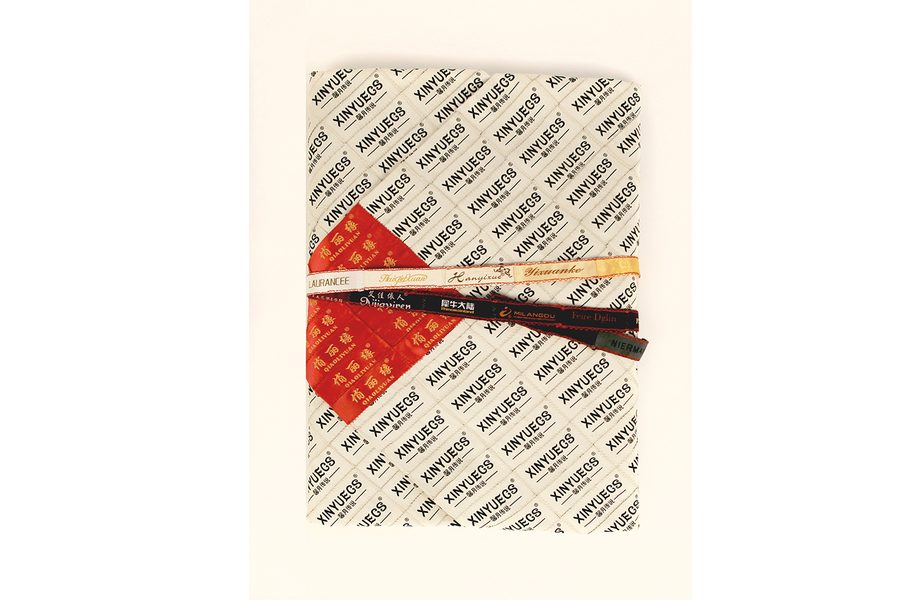
3. Bi-City Biennale of Urbanism\Architecture Shenzhen — Hong Kong [Bi-City Biennale of Urbanism\Architecture (UABB)] — 深港城市\建筑双城双年展 (Shenzhen, since 2005; together with Hong Kong since 2007)
The world's first biennale devoted entirely to the themes of “the city” and “urbanisation”; it is held by Shenzhen and Hong Kong as a single project in the format “two cities — one biennale”, with venues in the urban fabric of both cities.
- Origin — founded in 2005 in Shenzhen on the proposal of Meng Jianmin and Zhang Yuxing at the Shenzhen Urban Planning Bureau (the first Shenzhen Biennale of Urbanism\Architecture); in 2007 Hong Kong joined the project, the exhibition took the name UABB and the format of two cities and two venues; since 2013 the Hong Kong part has been officially called UABB (Hong Kong).
- Organisers and format — the Shenzhen part is organised by the Shenzhen Public Art Center and Shenzhen city departments, while the Hong Kong part is held with the participation of the Hong Kong Institute of Architects and specialised bodies; the exhibition is deliberately taken outside museum walls — its venues are railway stations, the metro, industrial districts, “urban villages” and district centres, which has given the project a reputation as a “democratic” biennale. The themes of all editions relate to the city and urbanisation, and alongside the display there are research, public programmes and discussions.
- Scale and place in the scene — by 2025 ten editions had taken place, alternating between Shenzhen and Hong Kong; the 7th edition, “Cities, Grow in Difference” (15.12.2017 — 15.03.2018), unfolded in the old village of Nantou in Shenzhen — a key case of urban renewal; the edition included the “Urban Village” programme made jointly with e-flux Architecture. The 10th edition (Shenzhen), “Urban Theatre” (preview 31.12.2025, open to the public from 15.01.2026; curators Zhu Tao, Shen Shaomin and Ding Ning, co-curator Shanghai Fengyuzhu Culture Technology), showed 489 works by more than 800 authors from 21 countries and regions; the main venues were the Shenzhen Bay Talent Park and the Hetao science and innovation centre, with additional ones at Huaqiangbei, Qingshuihe, Shekou, OCAT Shenzhen, CUHK (Shenzhen), Longcheng and Pingshan. The Hong Kong part, UABBHK 2025 “TECHFORMANCE” (27.11.2025 — 24.01.2026), took place at Oil Street Art Space (Oi!) and the East Kowloon Cultural Centre.
website wechat: 深港城市建筑双城双年展 UABB (official account, Shenzhen)
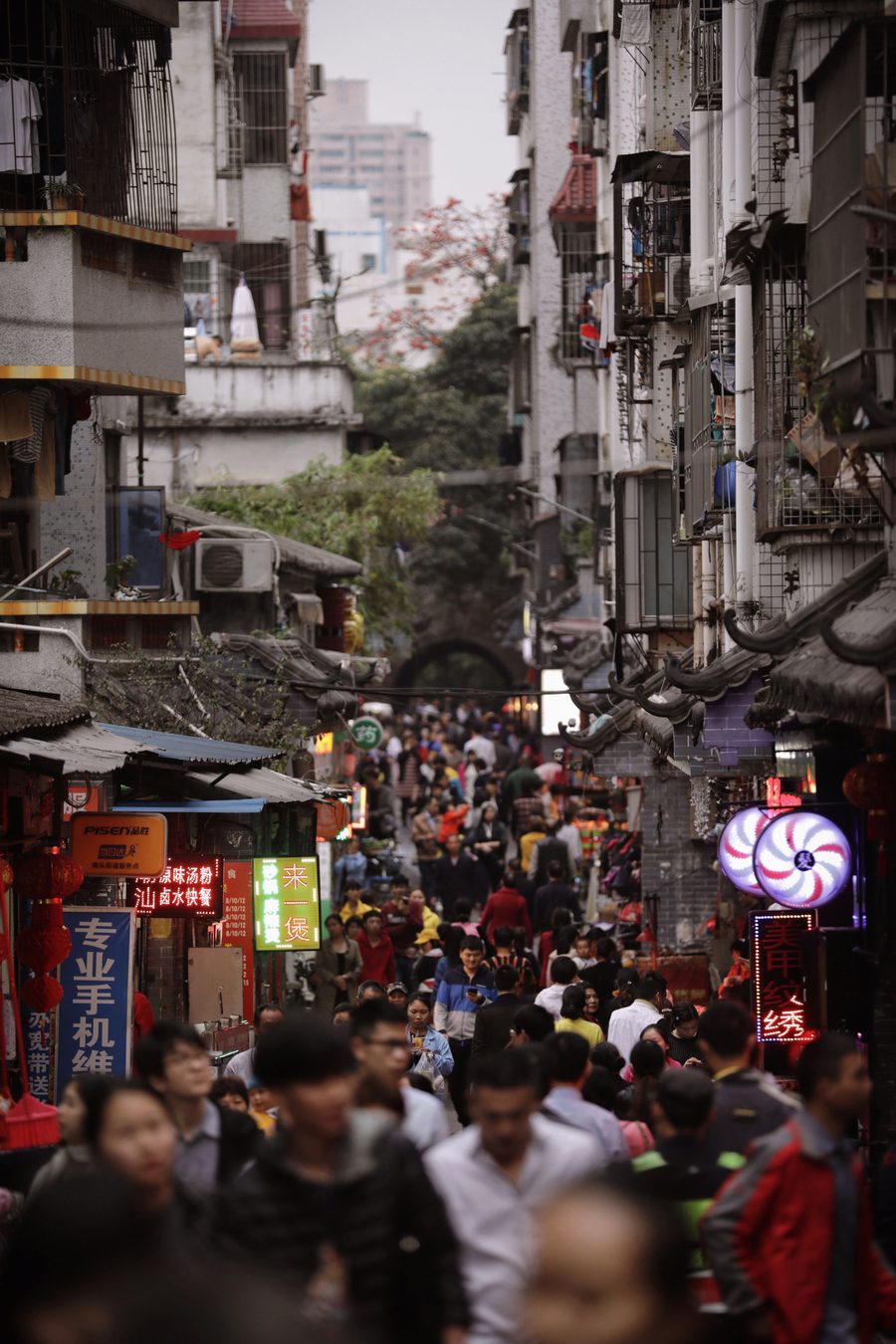
4. Beijing International Art Biennale [Beijing International Art Biennale, China (BIAB)] — 中国北京国际美术双年展 (Beijing, since 2002 (first edition — 2003))
A state international biennale of fine art in Beijing; established in 2002 by decision of the State Council of the PRC, it has been held regularly since 2003.
- Organisers — the China Federation of Literary and Art Circles (CFLAC), the Beijing Municipal Government and the China Artists Association (中国美术家协会); the practical realisation is handled by units of CFLAC and the Artists Association, with coordination by the Beijing Capital Tourism Group. Selection is carried out by a Chinese curatorial committee together with international curators; works are accepted through committee nominations, institutional recommendations and open submissions by artists.
- History — the first edition was held 20.09 — 20.10.2003 (577 works from 45 countries); the 2nd biennale in 2005 (600 works from 50 countries, venues: the China Millennium Monument, the Beijing World Art Museum, the National Art Museum of China); the 3rd in 2008, moved a year under the Olympics, with the theme “Colors and Olympism” (747 works from 81 countries, the National Art Museum of China and the exhibition hall of the Central Academy of Fine Arts); the 4th in 2010, “Ecological Concern and Human Existence” (562 works from 94 countries); the 5th in 2012, “Future and Reality” (more than 700 works from 84 countries).
- Scale and place in the scene — by 2025 ten editions had been held, with more than 5,000 artists from over 100 countries taking part; the 10th biennale (theme “共生” — “Coexistence”; 29.12.2025 — 28.01.2026, the Beijing Exhibition Center) presented about 600 works from almost 120 countries and regions — a record for the number of participating countries; the structure “thematic exhibition + special exhibitions + country exhibition” includes the first special showing of digital art, a special exhibition of contemporary ink (about 50 authors, curators Qiu Ting, Peng Feng, Li Junyi) and a country exhibition of contemporary art from Serbia. The selection relies mainly on painting, graphic art and sculpture, partly including installation, video and new media.
Sources: Wikipedia, “Beijing International Art Biennale” (en.wikipedia.org/wiki/Beijing_International_Art_Biennale) · CFLAC, English-language events portal — “The First Beijing International Art Biennale” and “The 7th BIAB: The Silk Road and World Civilizations” · China.org, “10th Beijing International Art Biennale opens in Beijing”, 02.01.2026 · China Daily Global, “Annual international art exhibition to open in Beijing”, 23.12.2025 · Art in America, December 2008 — Katherine Don, “Beijing Biennale: July 8–Aug 12” (cited via Wikipedia)
wechat: 中国北京国际美术双年展 (the biennale's account, run through the China Artists Association)
5. West Bund Art & Design — 西岸艺术与设计博览会 (Shanghai, since 2014)
An annual international fair of contemporary art and design in Shanghai; the core of the “West Bund” (西岸) cultural cluster in the Xuhui district and one of the two anchor exhibitions of Shanghai's November fair season.
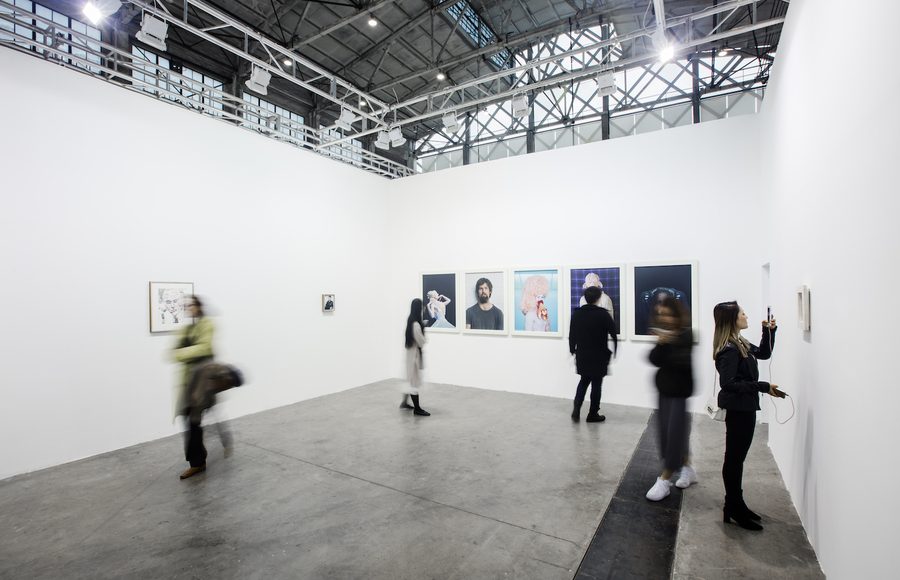
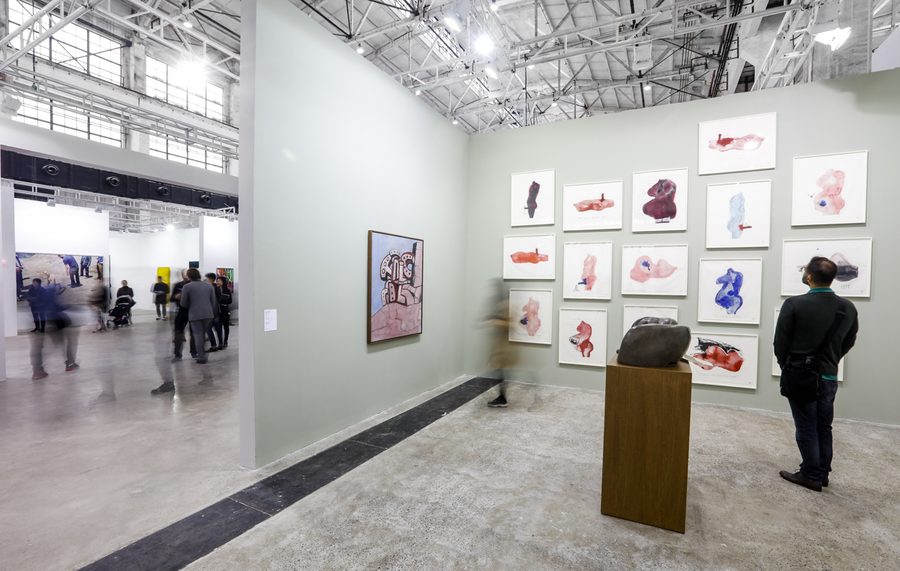
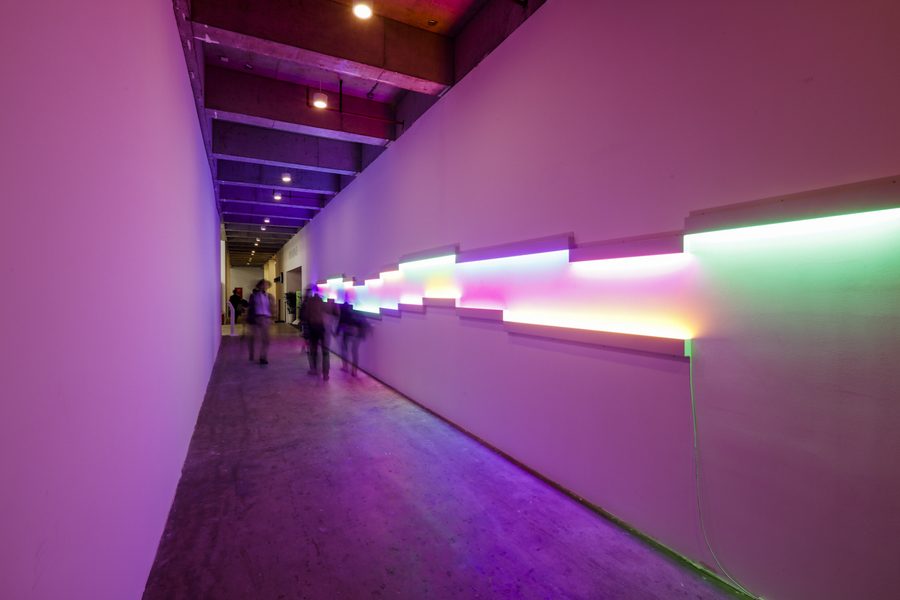
- Organisation and venue — founded in Shanghai in 2014; the first fair was held in the West Bund Art Center — a converted aircraft-factory workshop — with slightly more than 30 galleries and art organisations taking part. Over time the fair has turned into a branching route of several venues along the Huangpu river with a total length of about five kilometres; the central point of recent editions has been the West Bund International Convention and Exhibition Center (7 Longyao Road).
- History and scale by edition — the 6th edition (2019) — more than 100 galleries from Asia, Europe, North and Latin America in the West Bund Art Center; the 8th (2021) — more than 120 international galleries with the support of Dior, BMW and UBS; the 10th (2023) — the largest up to that time; the 12th edition (13–16.11.2025) — about 200 galleries from 48 cities in 22 countries and regions, five main venues, a total exhibition area of about 26,000 m², and the fair opened the 7th Shanghai Art Trade Week.
- Place in the scene — together with ART021 it sets Shanghai's November fair season and competes with it for the pool of galleries; it is tied to the state programme for developing the “West Bund” cultural corridor, which includes the Long Museum, the West Bund Museum (a Centre Pompidou project) and the Start Museum. Among the regular participants are Hauser & Wirth, White Cube, David Zwirner, Perrotin, Pace, Pearl Lam and other galleries with spaces in Asia.
website wechat: 西岸艺术与设计博览会 (the fair's official account)
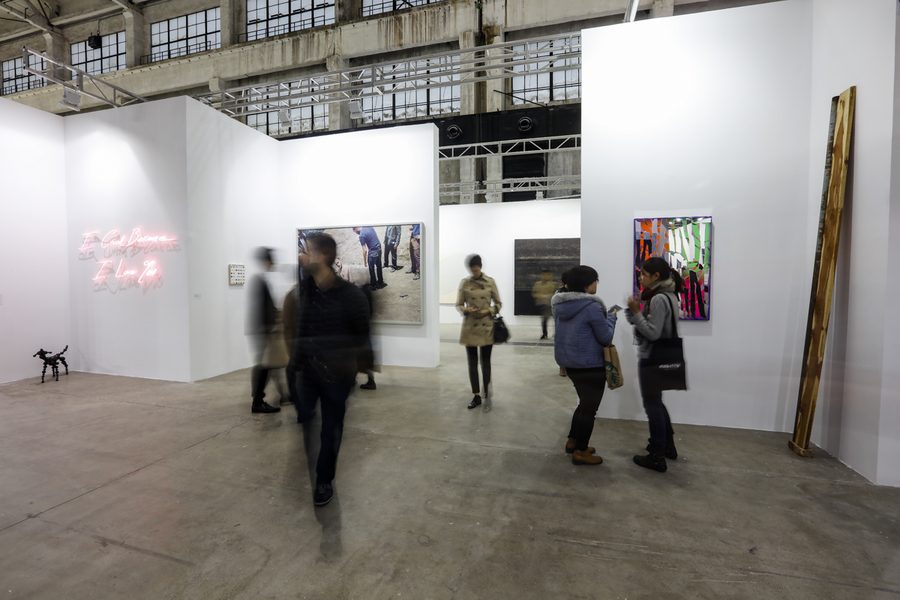
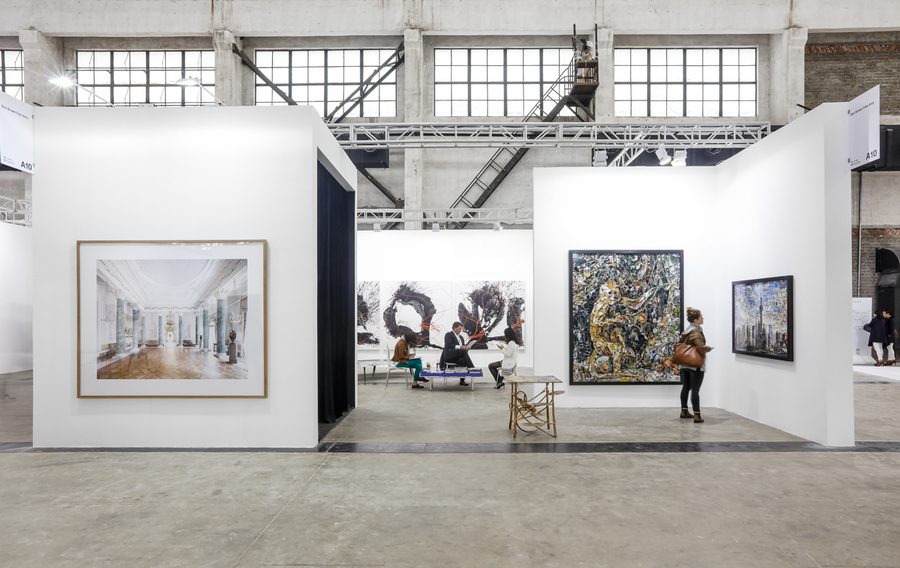
6. ART021 Shanghai Contemporary Art Fair — ART021 上海廿一当代艺术博览会 (Shanghai, since 2013)
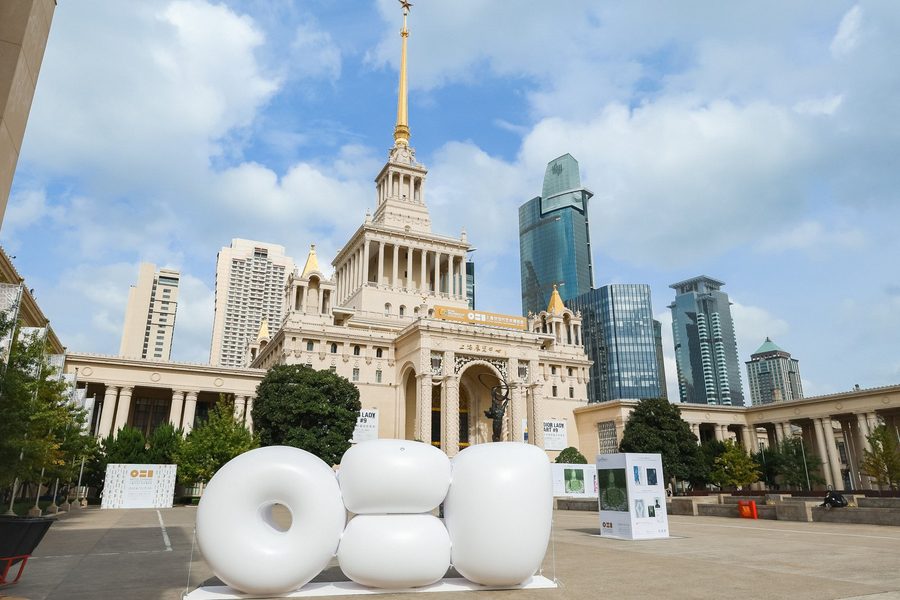
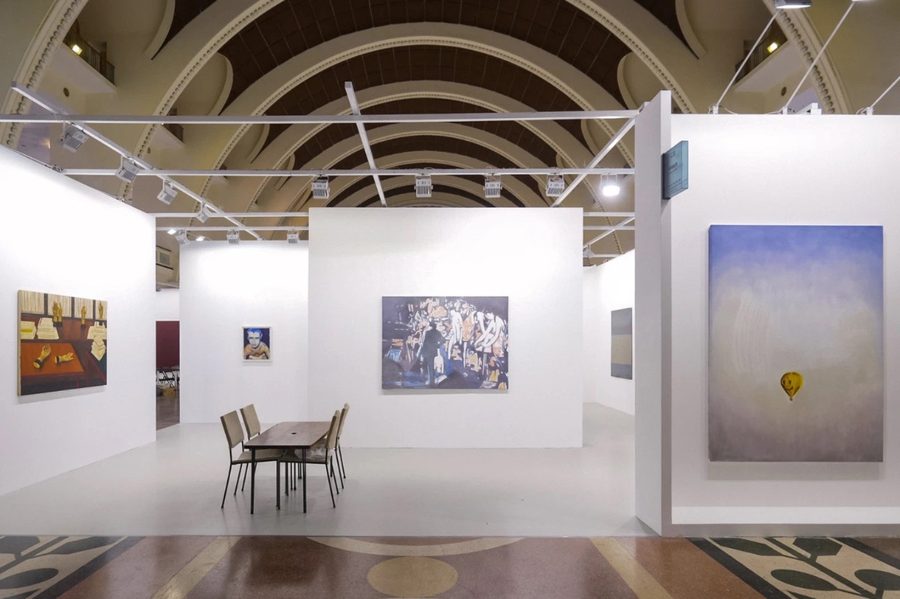
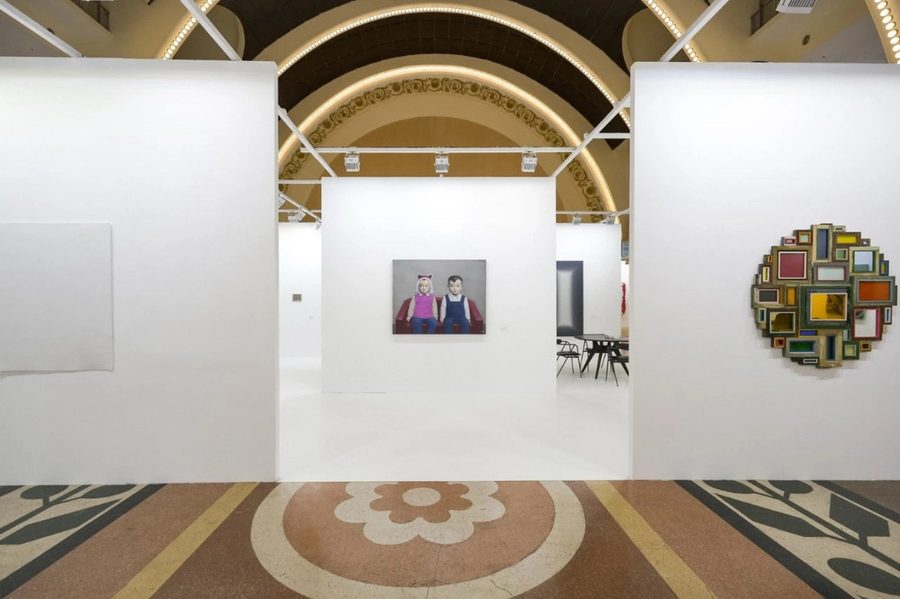
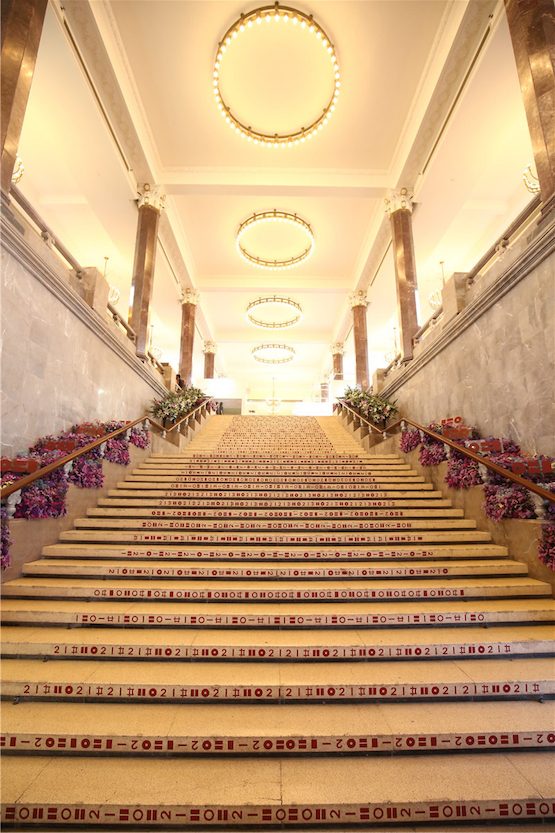
An annual Shanghai contemporary art fair founded in 2013; it is held at the Shanghai Exhibition Center (上海展览中心) in November, within the China Shanghai International Arts Festival and Shanghai Art Trade Week.
- Founding and organisers — founded in 2013 by Bao Yifeng (鲍一峰) and Kelly Ying (应青蓝); the first edition brought together 29 galleries and was conceived as a platform to connect local artists with a new generation of Chinese collectors. It is run by the ART021 Group, which holds fairs in Shanghai, Beijing, Shenzhen and Hong Kong and also develops the projects 21 Edition and C21 Cafe; applications are accepted via application@art021.org.
- History and scale by edition — 2013 — 29 galleries; 2014 — 46 galleries; 2015 — 75 galleries (growth accelerated after the closure of the SH Contemporary fair); the 11th edition — November 2023; the 12th — 7–10 November 2024; the 13th edition (13–16.11.2025, Shanghai Exhibition Center, 1000 Yan'an Road) — 141 galleries and a project from 22 countries and regions and 50 cities, 34 participants for the first time, set within the China Shanghai International Arts Festival and the 7th Shanghai Art Trade Week.
- Place in the scene — together with West Bund Art & Design it forms Shanghai's November fair season; ART021 emphasises contemporary art and bringing Asian galleries closer to the international market, and in 2025 its participants included David Zwirner (booth C15) and, for the first time, Lisson Gallery. The fair is accompanied by the APPROACH sections and projects, as well as a public programme and the city's evening events.
website instagram wechat: ART021 (the ART021 group's official account)