survey_23 — Education in Contemporary Art
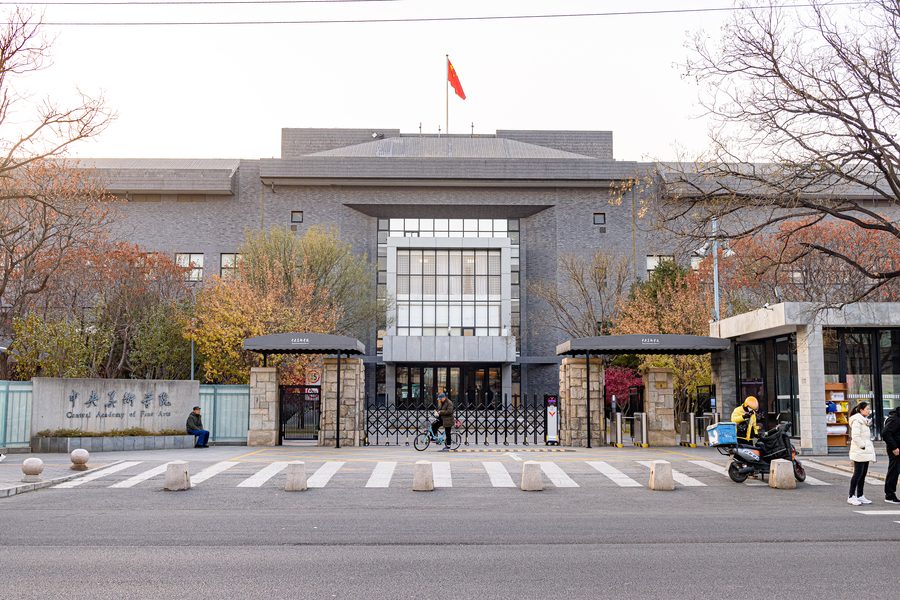
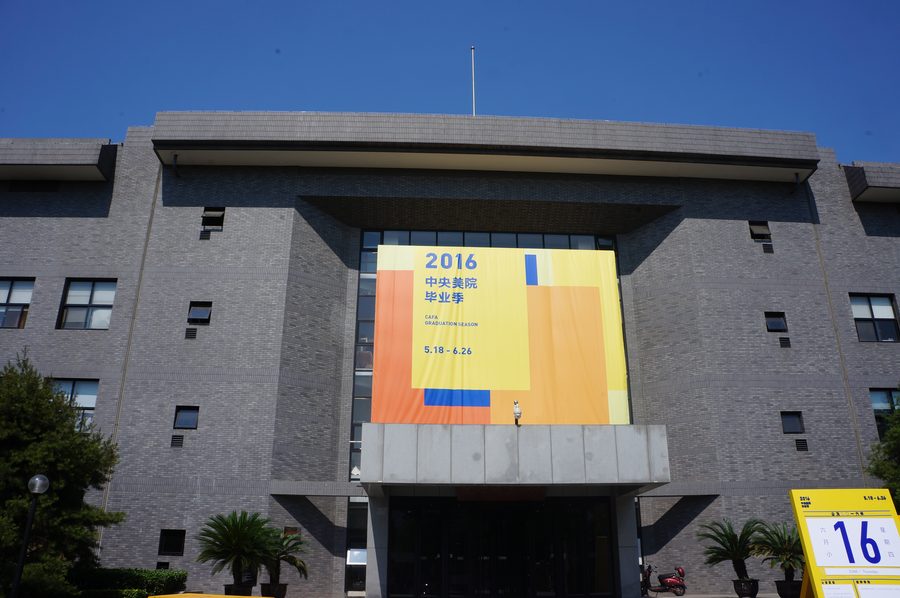
1. Central Academy of Fine Arts [CAFA] — 中央美术学院 (Beijing, 1918 / 1950)
The country's leading art academy: the system of studios that defined Chinese art of the second half of the 20th century took shape here.
- Structure— faculties of painting, sculpture, printmaking, design, architecture and experimental art; separate oil painting studios.
- Studios — historically, the division into studios (第一–第三工作室) set out different artistic lines within a single school.
- Role in the scene — the academy's teachers were at the same time key authors; most names in contemporary Chinese art passed through it.
- Alumni among the artists in the series — Li Wei, Lu Zhengyuan, Liang Shuo, Sui Jianguo, Xiang Jing, Cai Lei, Jiang Jie, Zhan Wang, Chen Wenling, Li Binyuan, Zhang Huan, Sheng Qi, Tian Xiaolei, Feng Mengbo, Wang Huaxiang, Kang Jianfei, Su Xinping, Tan Ping, Wu Jian'an, Zhou Jirong, Yang Hongwei, Wang Yuyang, Sun Yuan and Peng Yu, Zhang Dali, Wang Yingsheng, Li Huaji, Tang Hui, Hou Yimin, Yuan Yunsheng, Wang Youshen, Hong Hao, Liu Wei, Qi Zhilong, Wang Ziquan, Tong Kunniao, Liu Qinghe, Su Xiaobai, Wu Yi, Liang Yuanwei, Ma Qiusha, Xing Danwen, Song Kun, Hu Xiaoyuan, Cai Jin, Chen Lingyang, Yu Hong, Wang Guangle, Liu Wentao, Meng Luding, Zhu Jinshi, Chen Wenji, Ye Funa.
2. China Academy of Art [CAA] — 中国美术学院 (Hangzhou, 1928)
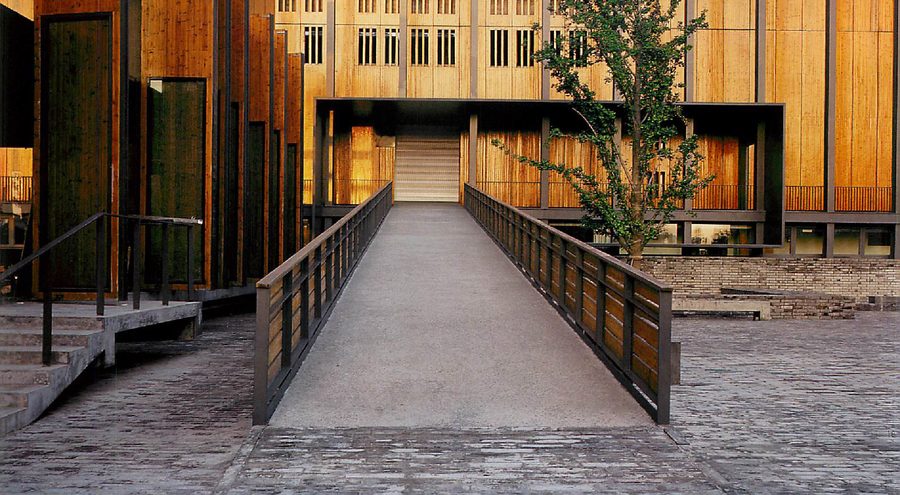
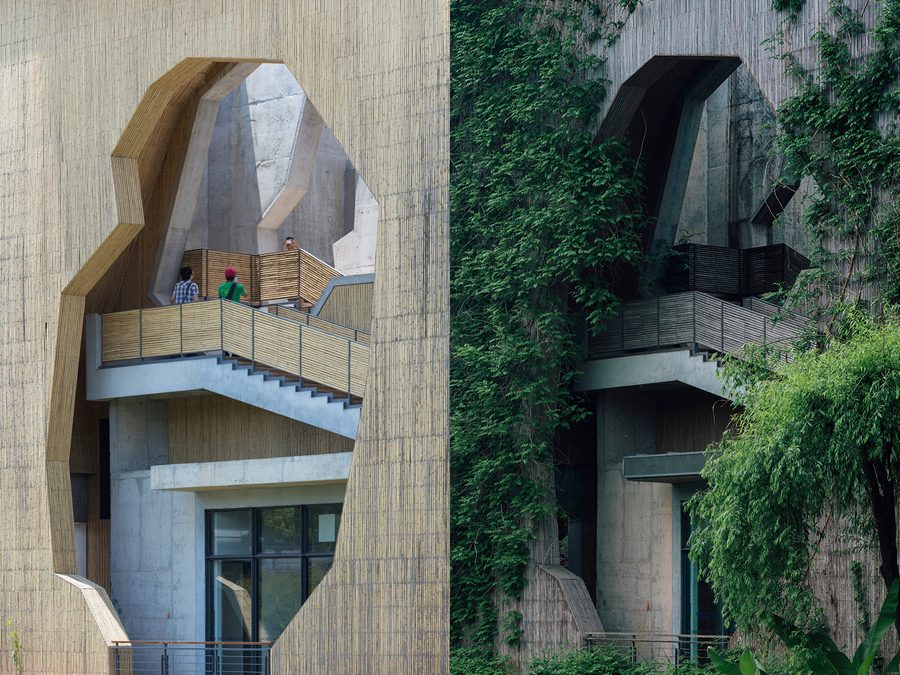
The academy founded by the artist Lin Fengmian: a union of Western drawing with the Chinese ink tradition.
- Founding— founded as the National Academy of Arts; its first director was Lin Fengmian, who combined European modernism and ink.
- Structure— faculties of Chinese painting, oil painting, printmaking, new media and design; a distinct line of work with ink.
- New media— the new media department became one of the country's centres of video and digital art.
- Alumni among the artists in the series — Li Qing, Cheng Ran, Wang Jin, Wang Jianwei, Lu Yang, Zhang Peili, Yang Fudong, Ying Jinfei, Huang Yongping, Qiu Zhijie, Geng Jianyi, Wu Shanzhuan, Wei Guangqing, Zhong Biao, Hu Weiyi, Wang Jinsong, Jiang Zhi, Wang Tiande, Kan Xuan, Liang Quan, Qiu Deshu, Wang Xin, Li Ming, Lin Ke, Miao Ying, Cao Shu.
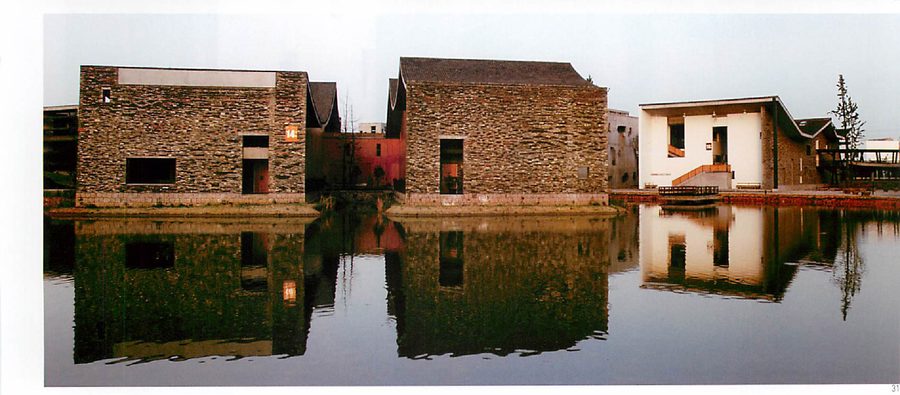
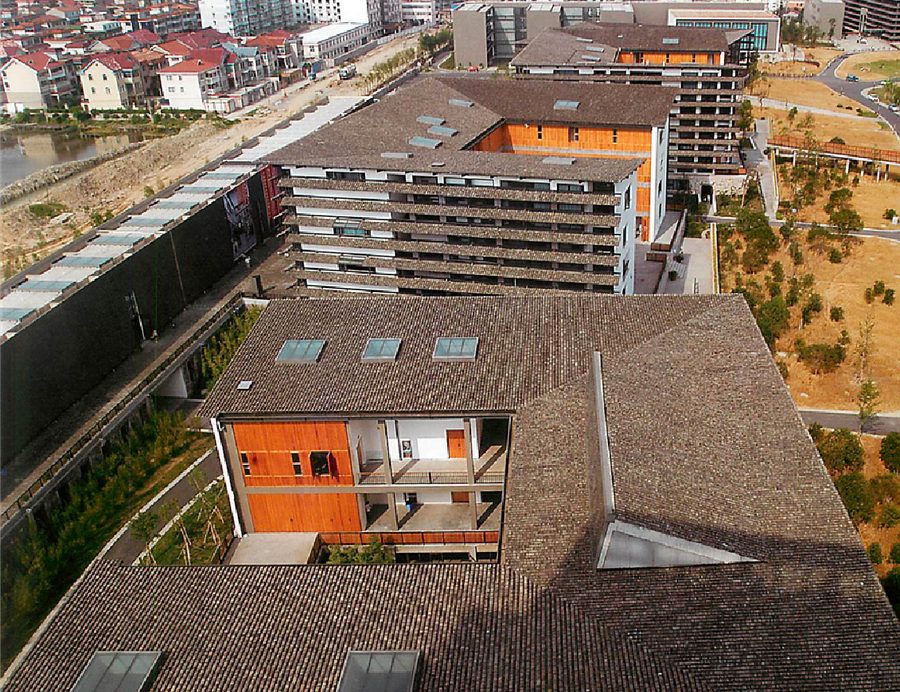
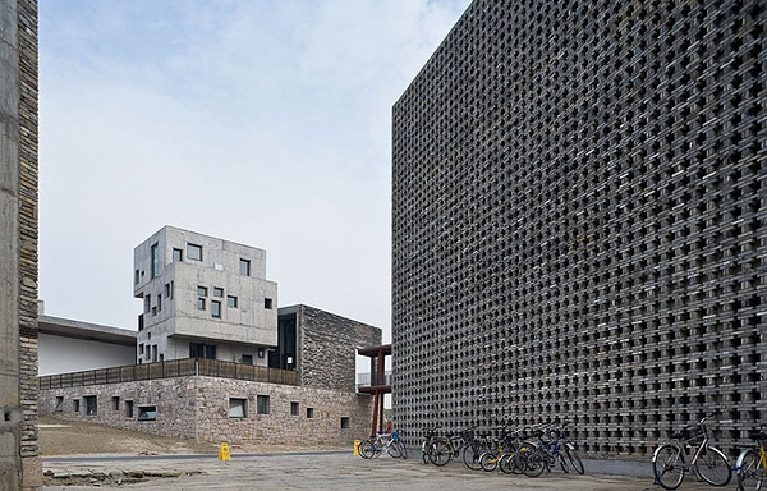
3. Tsinghua University Academy of Arts & Design [Tsinghua AAD] — 清华大学美术学院 (Beijing, 1956)
A design school with a university foundation: from industrial design to contemporary painting.
- Origins— it grew out of the Central Institute of Arts and Crafts, which united craft and design.
- Profile— design, visual communication, ceramics, textiles and painting; a strong project-based component.
- Links with industry— the academy is embedded in the university and works with industry and the urban environment.
- Alumni among the artists in the series — Dong Gong, Li Hu and Huang Wenjing, Zhang Ke, Zhu Pei, Du Dakai, Zhang Shiyan, Zhang Hongtu, Luo Brothers, Yu Youhan, Han Lei, Feng Lianghong, Wang Tuo.
No images: campus photography is not published in open sources. Sources: tsinghua.edu.cn · Press
4. Sichuan Fine Arts Institute — 四川美术学院 (Chongqing, 1940)
The school that produced a generation of “Sichuan oil painting” and one of the most recognisable artistic manners in China.
- School— in the 1980s a circle of artists formed here who set the «Sichuan» line in oil painting.
- Sculpture— a separate, strong faculty with installations in the urban environment.
- Campus— the Huangjiaoping district in Chongqing: the teaching buildings have been turned into an art quarter.
- Alumni among the artists in the series — Gao Yu, Li Shurui, Zhang Tingqun, Zhao Yao, Yang Xun, Tong Wenmin, Chen Qiulin, Wang Qingsong, Feng Zhengjie, Wang Siyao, Chen Ke.
No images: campus photography is not published in open sources. Sources: scfai.edu.cn · Press
5. Guangzhou Academy of Fine Arts — 广州美术学院 (Guangzhou, 1953)
The leading art school of South China: most artists of the Guangdong scene studied here.
- Region— the academy serves the south of the country: painting, sculpture, design, and a department of experimental art.
- Links with the market— graduates work in design, film and the art market of Guangzhou and Shenzhen.
- Campuses— a historic building in Guangzhou and a new campus in the University Town.
- Alumni among the artists in the series — Cao Fei, Wang Du, Zheng Guogu, Chen Shaoxiong, Zhang Hai'er, Yang Jiechang, Fang Di.
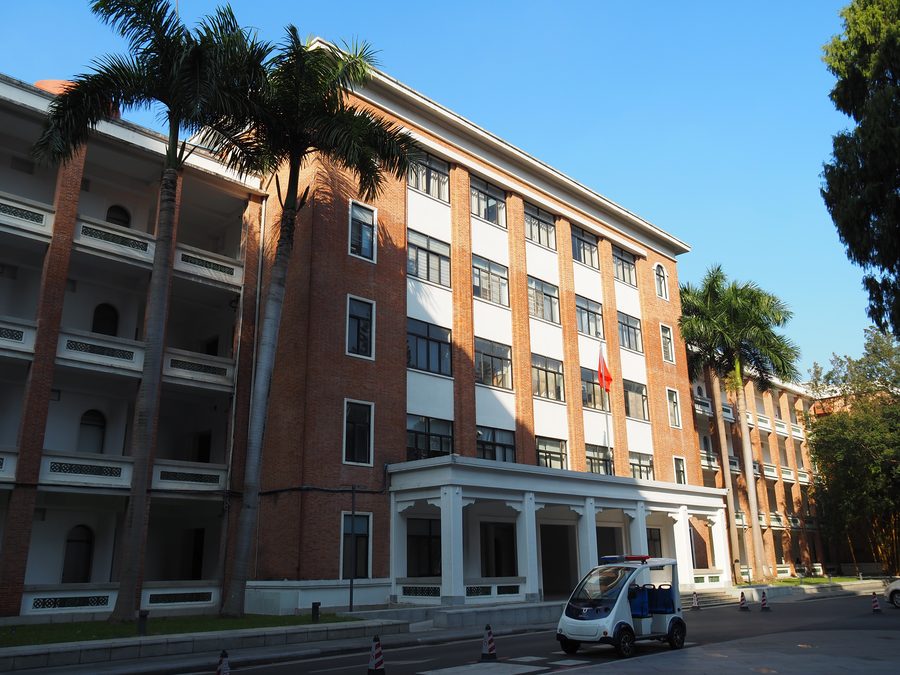
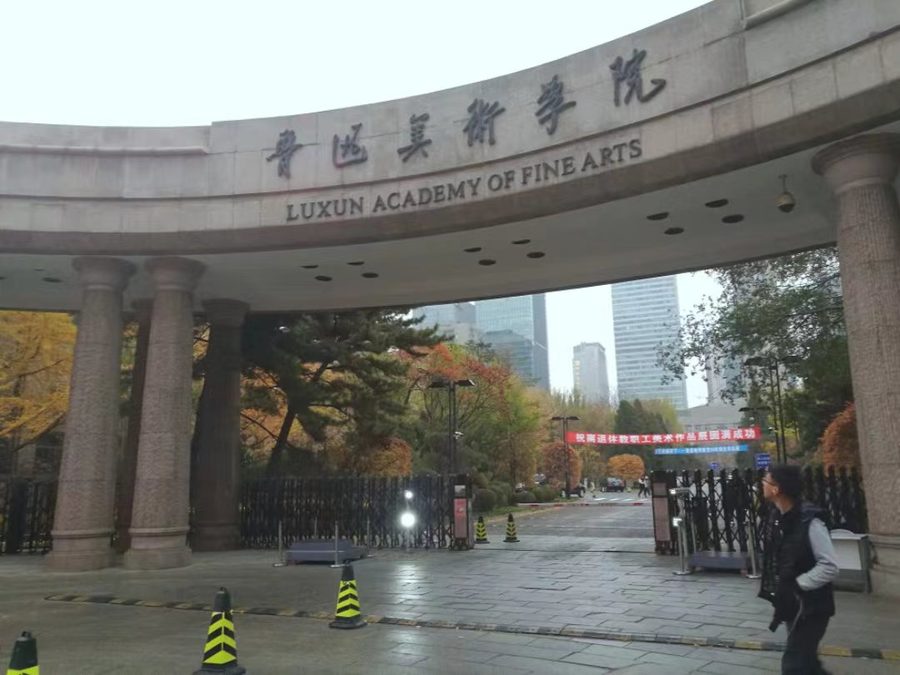
6. Lu Xun Academy of Fine Arts — 鲁迅美术学院 (Shenyang, 1938)
An academy with a revolutionary lineage: it grew out of the art school at Yan'an.
- Origins— traces its history to the art department founded in Yan'an in 1938.
- Profile— painting, sculpture, printmaking, photography and design; a strong school of realist drawing.
- The Northeast— the main art institution of northeast China.
- Alumni among the artists in the series — Wang Ningde.
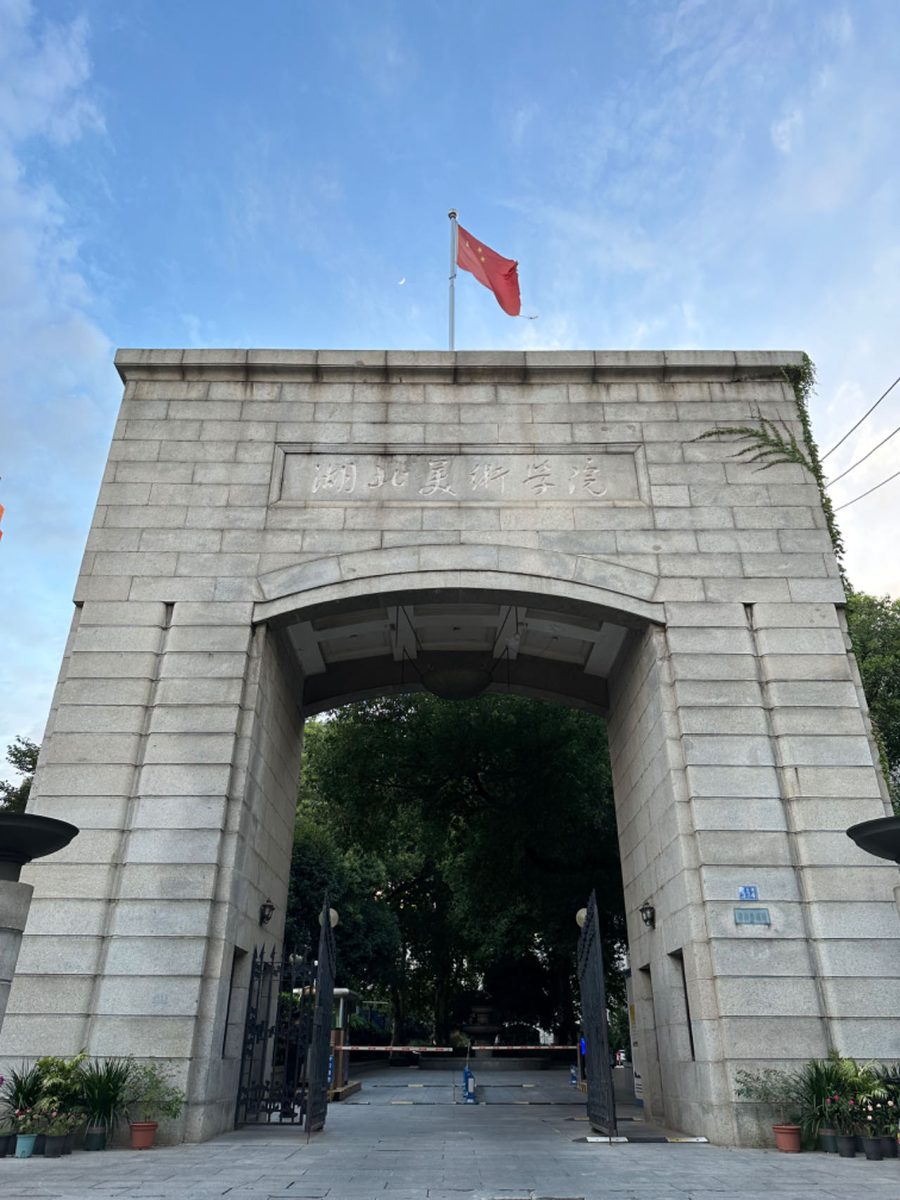
7. Hubei Institute of Fine Arts — 湖北美术学院 (Wuhan, 1920)
The oldest art school in central China: from traditional painting to experimental practices.
- History— traces its origins to the art department of Wuchang University in 1920.
- Profile— Chinese painting, printmaking, sculpture, design and media art.
- Alumni— the school produced artists who defined the «Wuhan» line in contemporary painting.
- Alumni among the artists in the series — Ma Liuming, Tang Xiaohe, Zhou Lingzhao, Cheng Li.
8. Tianjin Academy of Fine Arts — 天津美术学院 (Tianjin, 1906)
One of the country's oldest art schools, grown out of a college in China's industrial north.
- Age— traces its history to 1906: one of China's first professional art schools.
- Profile— painting, printmaking, sculpture, design and photography; a strong graphic school.
- The scene— graduates shape the art scene of Tianjin and Beijing.
- Alumni among the artists in the series — Tian Longyu, Li Xinmo, Cang Xin, Li Jin, Zhang Yu.
No images: campus photography is not published in open sources. Sources: tjarts.edu.cn · Press
9. Shanghai Academy of Fine Arts — 上海大学上海美术学院 (Shanghai, 1959)
An urban school within a university: a union of classical Chinese painting and contemporary urban culture.
- Structure— an academy within Shanghai University: painting, sculpture, design, art theory.
- The city— connections with the Shanghai art scene and the city's museums.
- Ink and contemporaneity— a distinct line of work with traditional media in a contemporary key.
- Alumni among the artists in the series — Lu Zhiping, Xu Zhen, Chen Zhen, Zhou Tiehai, Li Shan, Ma Liang (Maleonn), Ding Yi.
No images: campus photography is not published in open sources. Sources: shu.edu.cn · Press
10. Nanjing University of the Arts — 南京艺术学院 (Nanjing, 1912)
The country's oldest art academy: from the Shanghai Art School to a university of the arts.
- History— traces its origins to the Shanghai Art School of 1912; one of the first academies of the modern type.
- Structure— painting, sculpture, design, music, theatre and film art in a single university.
- Alumni— the school produced artists working with painting, graphics and media.
- Alumni among the artists in the series — Chen Qi, Shen Jingdong, Xu Lei.
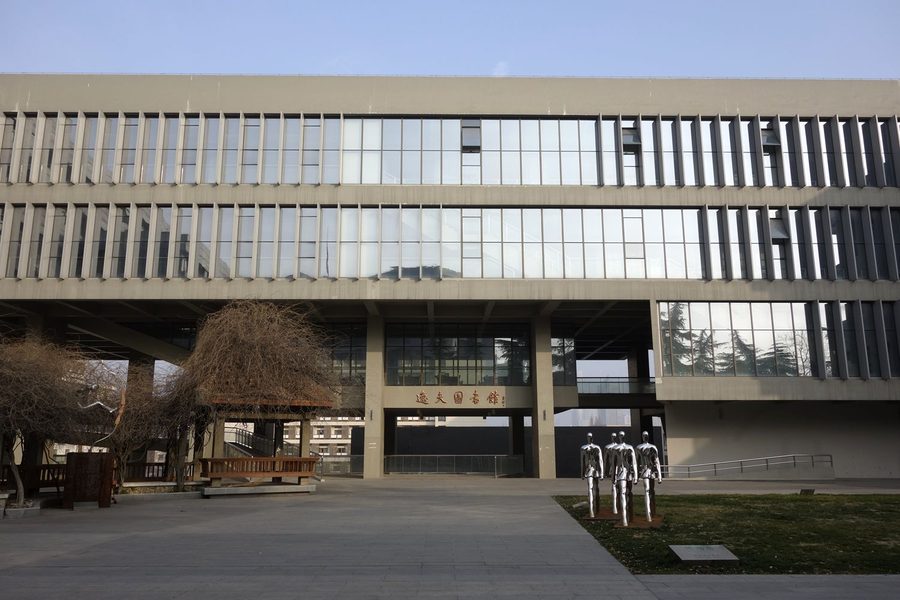
11. Capital Normal University [CNU] — 首都师范大学 (Beijing, 1954)
A university with a strong art department: it drew those who wanted painting outside the narrow academic system.
- Profile— a teacher-training track with full training in painting and graphics.
- Who studied here— artists who worked on the border between painting and performance, often outside the conservative academic line.
- Pedagogy— graduates themselves become teachers and shape the school system.
- Alumni among the artists in the series — Yin Xiuzhen, Wang Gongxin, Lin Tianmiao, Song Dong.
No images: campus photography is not published in open sources. Sources: cnu.edu.cn · Press
12. Yunnan Arts University — 云南艺术学院 (Kunming, 1959)
A regional academy in the southwest: it trained the artists who defined the art of Yunnan province.
- Region— the only major art school in China's southwestern periphery.
- Alumni— performance and painting artists working with local culture and the border.
- Profile— painting, sculpture, design and theatre art in a single institute.
- Alumni among the artists in the series — He Yunchang, Zhu Fadong.
No images: campus photography is not published in open sources. Sources: ynart.edu.cn · Press
← cybermodern() * Illustrations belong to their rights holders and are published for informational purposes. For copyright questions or comments on the text copyright@ctrlm.com